

Automotive
Precision Force and Weight Measurement for Automotive Engineering
From vehicle development and component testing to motorsport setup and production, accurate force and weight measurement provides essential data for understanding how automotive systems perform under real-world conditions. Load cells and force sensors can be integrated into vehicles, test fixtures, production equipment, and specialized measurement systems to monitor loads, validate components, and support engineering decisions.
ANYLOAD provides load cells, force sensors, and custom measurement solutions for automotive applications where accuracy, repeatability, dynamic response, and mechanical durability are critical. Our sensors are used across vehicle testing, suspension development, fatigue testing, braking analysis, battery weighing, and motorsport applications.
Why ANYLOAD for Medical Applications?
Dynamic Force Measurement: Automotive systems experience rapidly changing forces and vibration. Sensor designs optimized for dynamic applications provide stable, responsive measurement for testing and data acquisition.
Repeatable Measurement: Consistent sensor output is essential when comparing vehicle configurations, test cycles, or individual components.
Rugged Construction: Automotive testing can expose sensors to vibration, temperature changes, moisture, oil, dirt, and repeated mechanical loading. Proper sealing and robust construction help maintain measurement performance in demanding environments.
Custom Integration: Automotive equipment often requires sensors to fit within highly specific mechanical assemblies. ANYLOAD works with OEMs and engineering teams to develop force and weighing solutions around unique installation and measurement requirements.
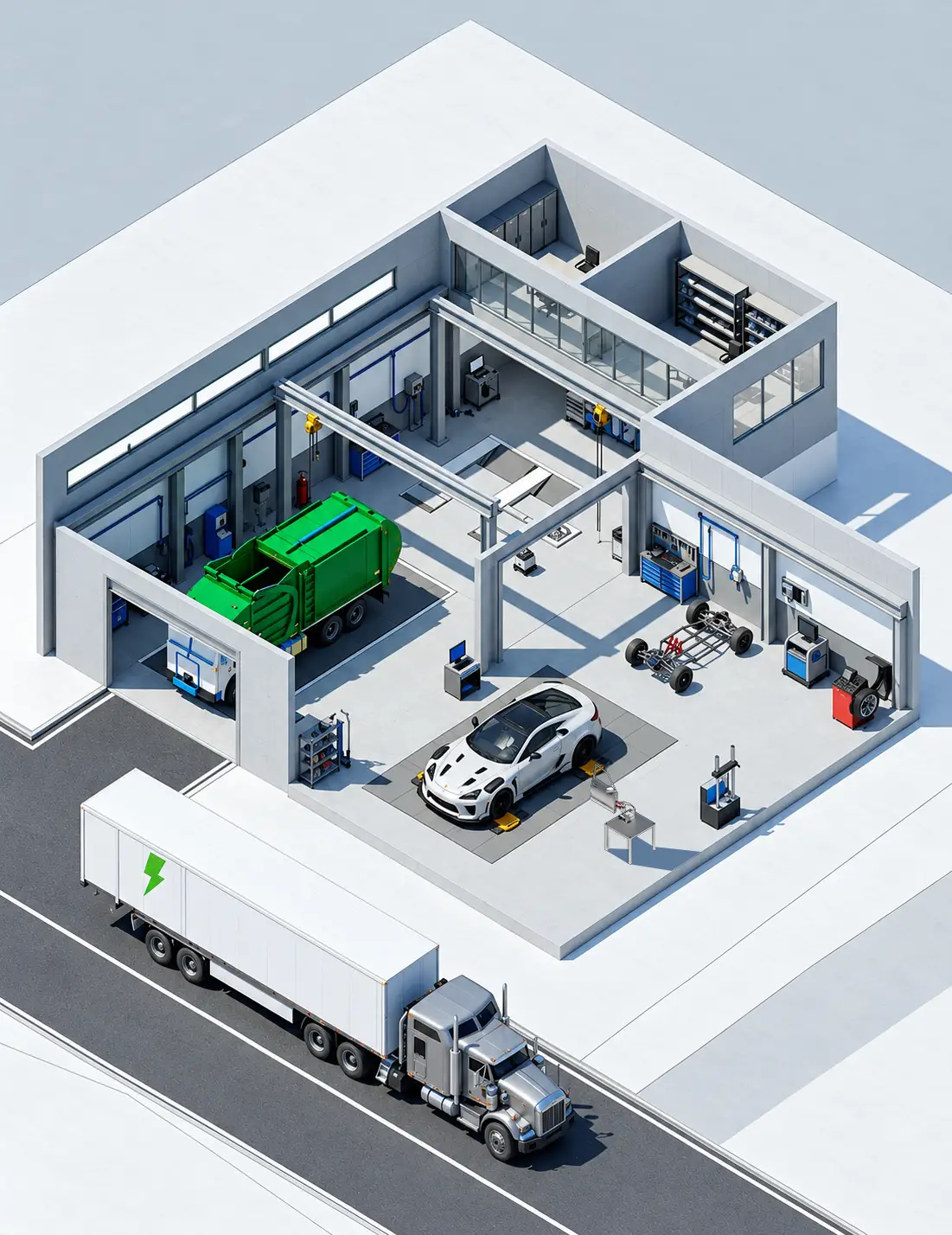
Commercial Vehicle Load Monitoring
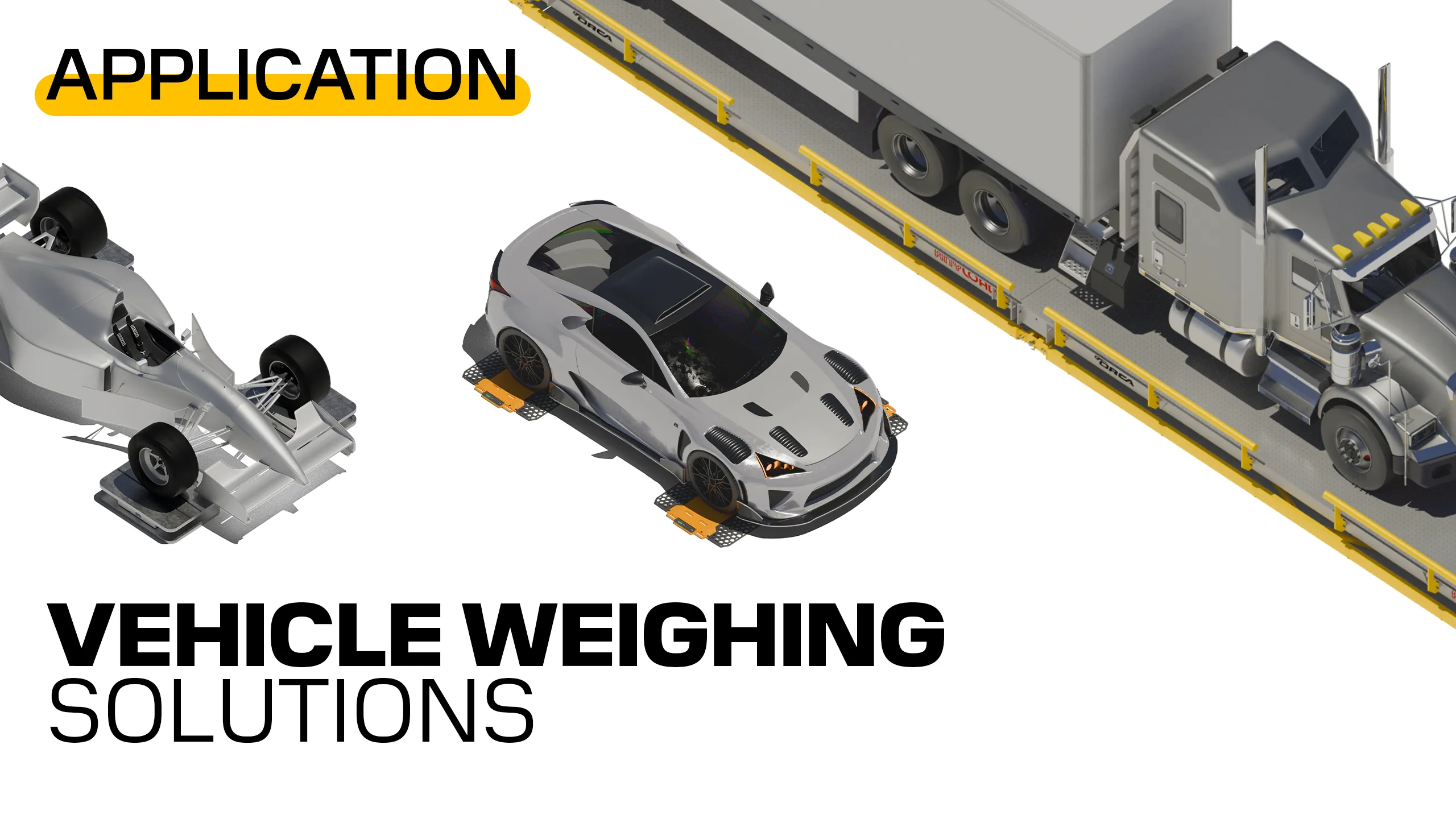
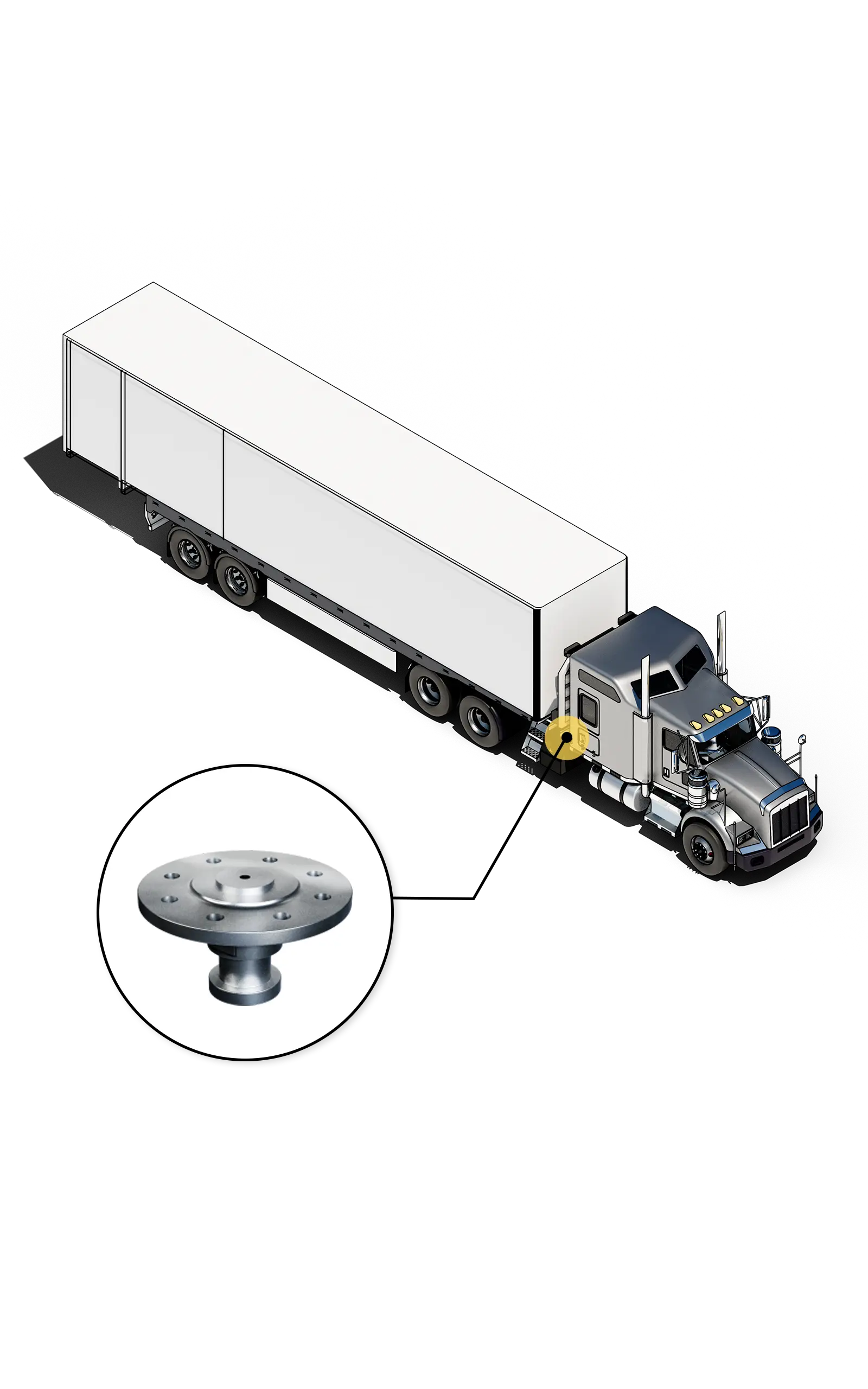
Commercial vehicles operate under changing loads throughout transportation, loading, unloading, and service operations. Integrated force measurement can provide real-time information about vehicle loads while supporting load management, operational monitoring, and equipment control.
Load cells can be incorporated into trailer, chassis, or suspension structures to measure applied loads without requiring the vehicle to visit a fixed weighing station. This approach can provide useful weight data directly from the vehicle or equipment during normal operation.
Challenges & Solutions
- Dynamic Loading: Vehicle loads change as cargo shifts, roads change, and equipment operates. Proper sensor selection and signal processing help distinguish useful load information from vibration and transient forces.
- Harsh Operating Conditions: Sensors installed on commercial vehicles can encounter rain, road debris, vibration, temperature changes, and other environmental exposure. Robust construction and appropriate environmental protection help maintain reliable measurement.
- Limited Installation Space: Vehicle structures often leave little room for additional instrumentation. Compact load cells can be integrated into existing mechanical load paths without significantly changing the equipment architecture.
- Continuous Load Monitoring: Integrated sensors allow vehicle and equipment manufacturers to monitor load conditions during operation rather than relying solely on periodic weighing.
- Mechanical Integration: Each vehicle platform has different mounting and load-path requirements. Custom configurations can be developed to accommodate specific structural and installation constraints.
View Products:
Waste Collection Vehicle Weighing
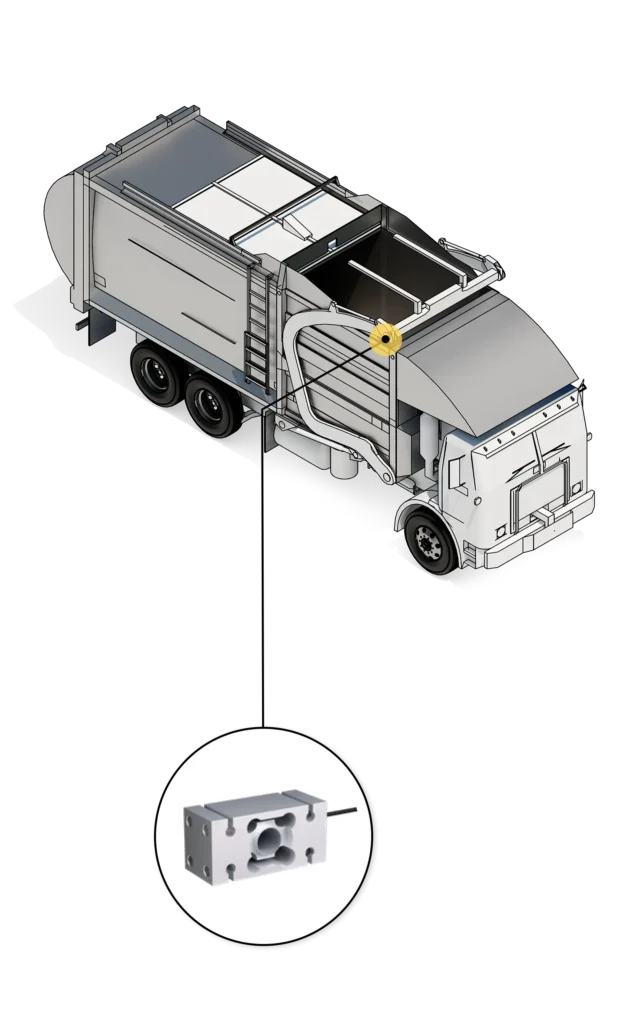
Waste collection vehicles handle constantly changing loads as material is collected throughout a route. Weight measurement integrated into the collection equipment can provide information about collected material, loading conditions, and vehicle utilization.
Load cells can be incorporated into the lifting or container-support mechanism to measure changes in load as material is collected. This provides an opportunity for operators and equipment manufacturers to capture weight data without interrupting normal collection operations.
Challenges & Solutions
- Constant Mechanical Movement: Collection equipment experiences repeated lifting, lowering, and loading cycles. Sensors must maintain stable measurement through continuous mechanical movement.
- Shock and Vibration: Waste collection vehicles are exposed to road vibration and sudden loading events. Robust sensor construction helps withstand repeated dynamic loading.
- Uneven Loads: Waste can be distributed unevenly within a container, producing changing forces across the measurement points. Multi-point measurement can help account for changing load distribution.
- Environmental Exposure: Sensors may encounter rain, dirt, dust, and debris during daily operation. Appropriate sealing and protective construction help maintain reliable performance.
- Real-Time Weight Information: Integrated measurement can provide operators and fleet systems with load information during collection, supporting operational monitoring and load management.
View Products:
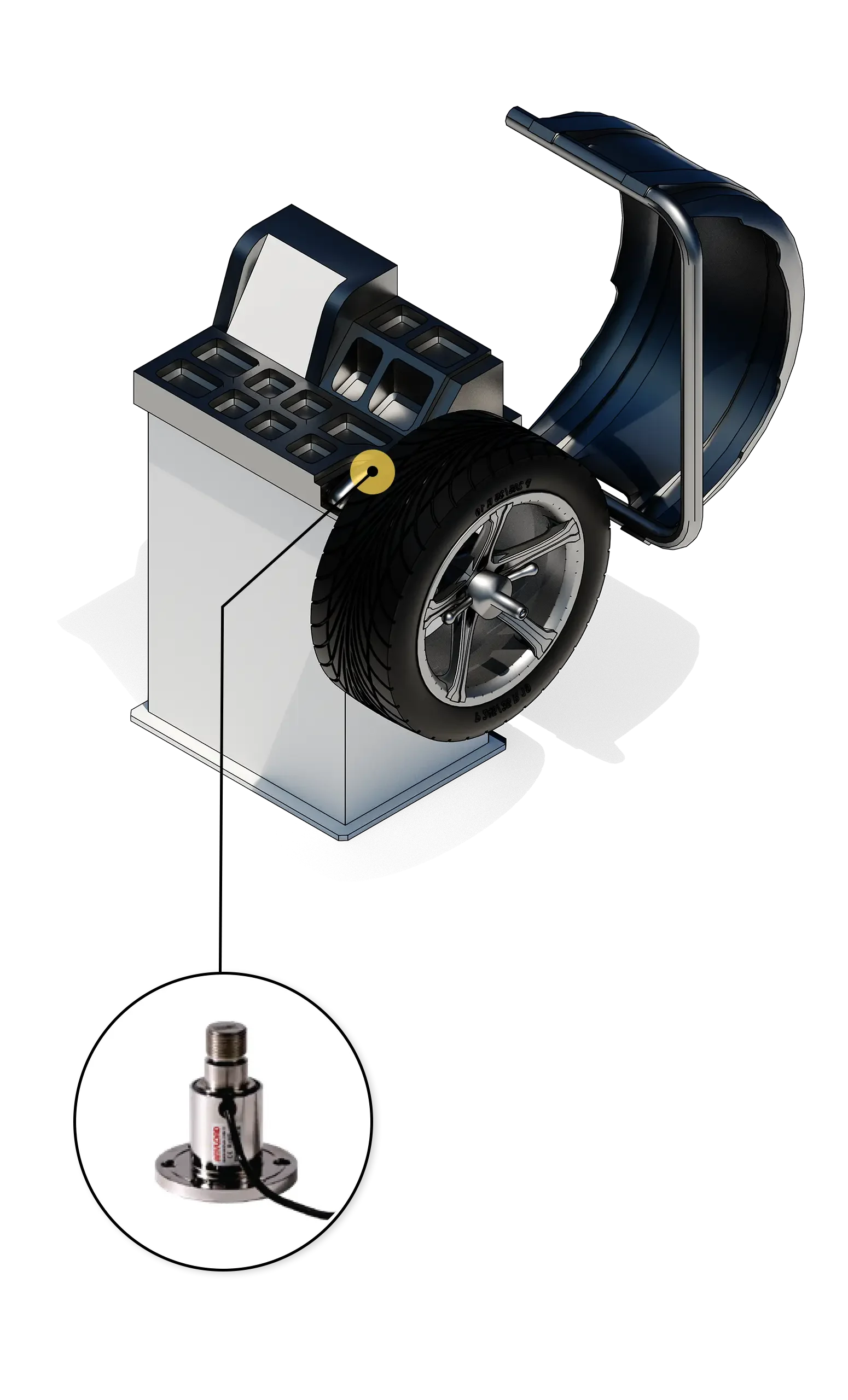
Wheel Balancing and Corner Weight Measurement
Precise weight measurement is fundamental to vehicle setup, particularly in motorsport and performance testing. Four-corner weighing allows engineers to measure the load carried by each wheel and evaluate how adjustments to suspension settings affect overall weight distribution.
ANYLOAD load cells have been used for motorsport corner balancing applications where stable readings under vibration and closely matched sensor sensitivity are important for reliable comparison between measurement channels.
Challenges & Solutions
- High Vibration Exposure: Racing vehicles experience continuous vibration from the engine, drivetrain, suspension, and road surface. High natural frequency sensor designs can help reduce vibration-induced measurement noise.
- Four-Corner Measurement: Each wheel must provide consistent and repeatable readings for meaningful comparison. Matched load cells help ensure that differences between corners reflect actual vehicle loading rather than sensor variation.
- Suspension Adjustment: Suspension changes can shift the load distribution between individual wheels. Stable measurement allows engineers to observe these changes during vehicle setup.
- Sensitivity Matching: Small differences between sensors can introduce offsets in multi-channel weighing systems. ANYLOAD can individually calibrate and sensitivity-match load cells for applications requiring consistent response across multiple measurement points.
- Dynamic Testing: Motorsport environments combine high mechanical loads with rapid movement and vibration. Sensors must maintain reliable output throughout repeated testing and setup adjustments.
View Products:
Suspension Force Measurement
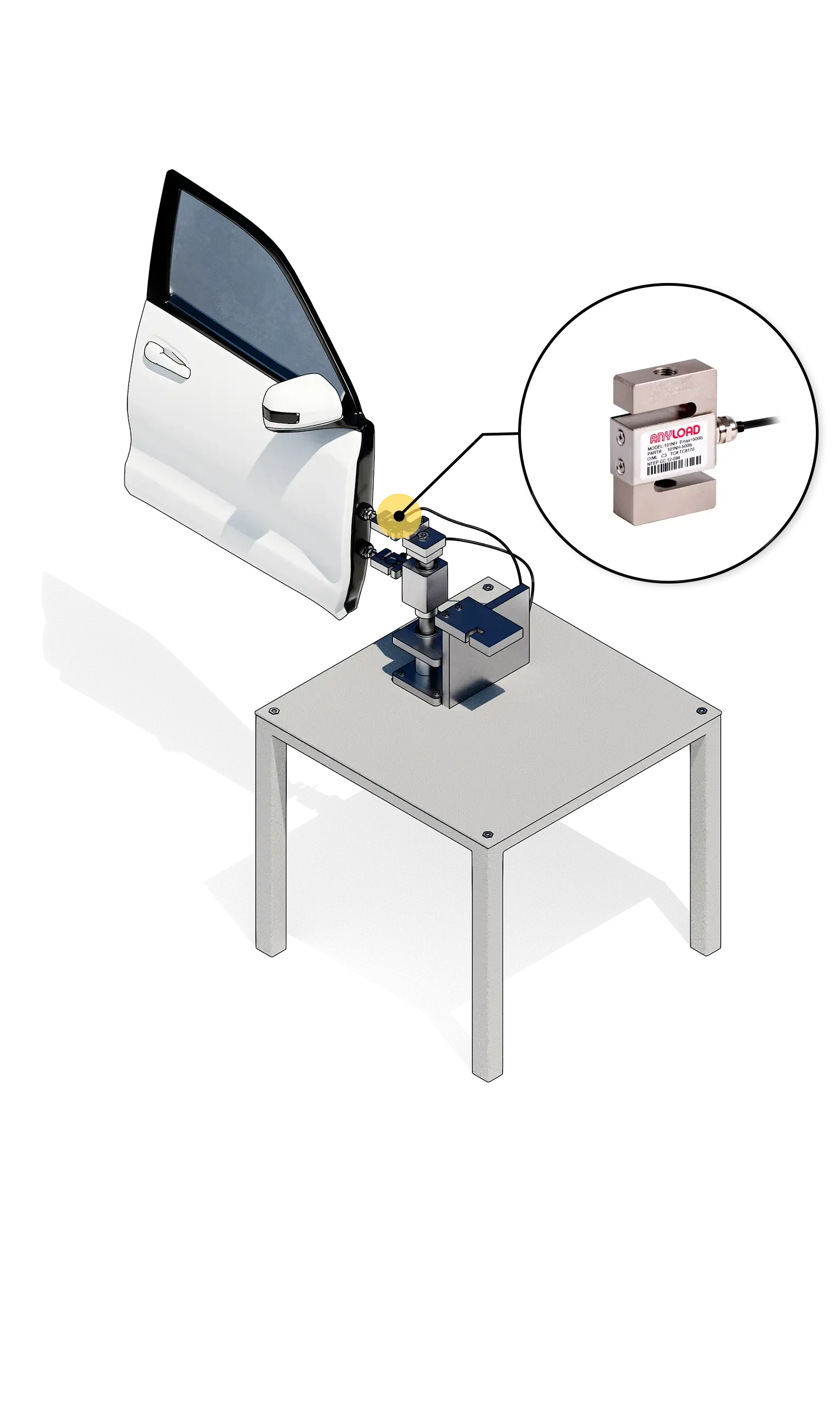
Suspension systems are responsible for controlling how a vehicle responds to changing road and track conditions. Measuring the forces transmitted through suspension components allows engineers to evaluate loading, compare suspension configurations, and study vehicle behavior under dynamic conditions.
ANYLOAD S-beam load cells can be incorporated into suspension links and other force paths to measure tension and compression forces during vehicle testing. The current ANYLOAD race-car application specifically covers suspension force, brake and clutch pedal force, steering force, and aerodynamic load measurement.
Challenges & Solutions
- Rapidly Changing Forces: Suspension components experience continuously changing loads during acceleration, braking, cornering, and road impacts. Sensors with fast dynamic response help capture these force changes.
- Vibration: Vehicle vibration can introduce unwanted noise into measurement signals. A mechanically stiff sensor design with a high natural frequency can help maintain cleaner force data.
- Limited Installation Space: Suspension components are often tightly packaged around wheels and other mechanical systems. Compact S-beam configurations can be installed directly within suitable force paths.
- Environmental Exposure: Sensors mounted to vehicles can encounter water, dust, oil, and road debris. IP-rated sealing helps protect the sensing element in demanding environments.
- Repeatable Testing: Suspension development depends on comparing data across multiple configurations and test sessions. Stable and repeatable sensor output supports meaningful comparison between setups.
View Products:
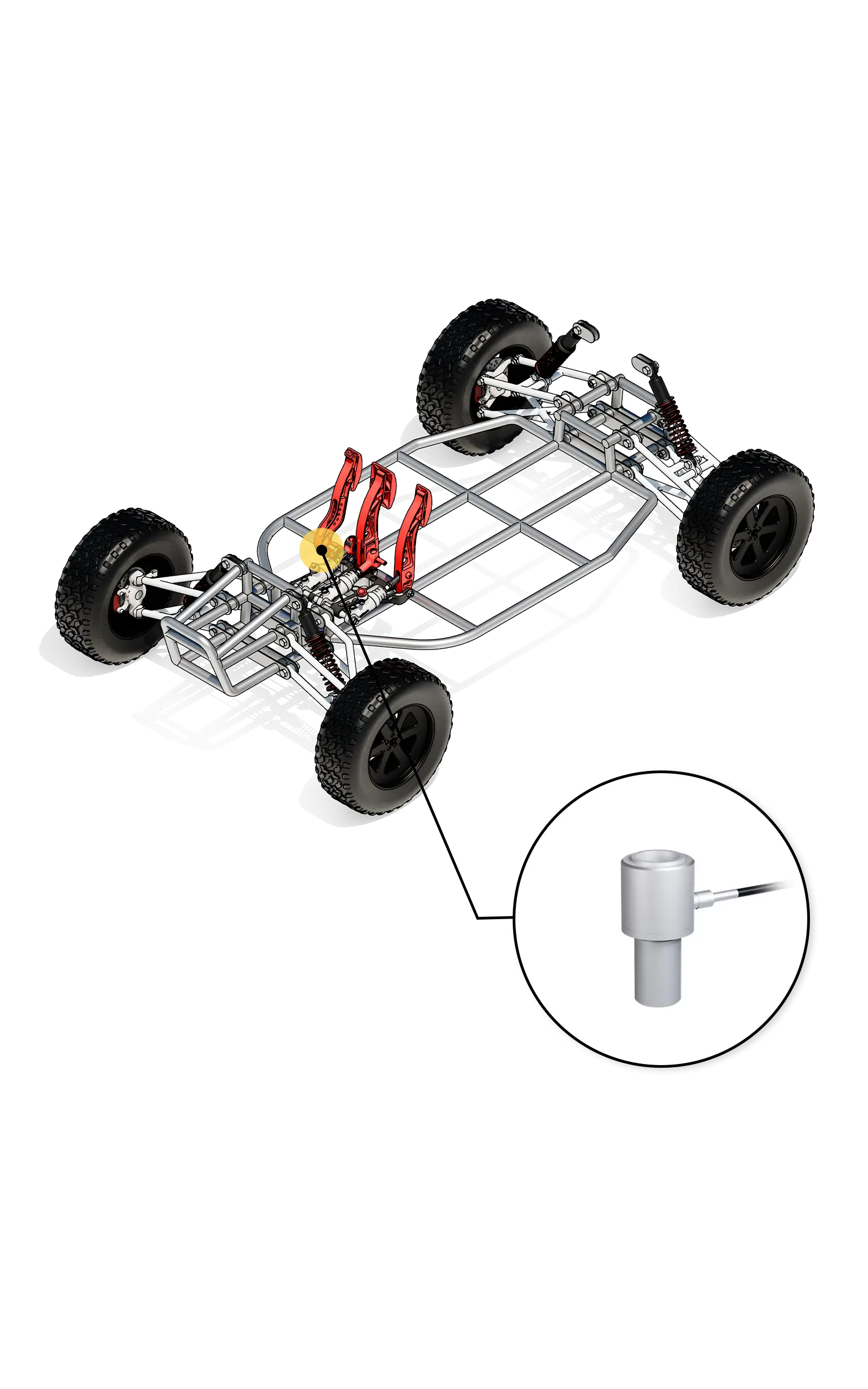
Pedal Force Measurement
Brake and clutch pedal forces provide important information during vehicle development, testing, and motorsport setup. Measuring the force applied through a pedal allows engineers to quantify driver input and evaluate how mechanical and hydraulic systems respond under different operating conditions.
Compact force sensors can be integrated into pedal assemblies or test fixtures to capture applied force without significantly changing the original mechanical system.
Challenges & Solutions
- Dynamic Driver Input: Pedal force can change rapidly during braking, shifting, and other driving events. High-response force sensors help capture these changes accurately.
- Compact Installation: Pedal assemblies provide limited space for instrumentation. Compact sensor configurations allow force measurement to be incorporated within constrained mechanical assemblies.
- Repeated Loading: Testing can subject the sensor to thousands of repeated loading cycles. Appropriate capacity selection and robust mechanical construction support reliable operation through repeated use.
- Tension and Compression: Depending on the measurement location, pedal mechanisms may transmit forces in different directions. Sensors capable of measuring the required loading mode provide flexibility for different test configurations.
- Data Acquisition: Force measurements can be integrated with vehicle data acquisition systems to correlate pedal input with other vehicle parameters during testing.
View Products:
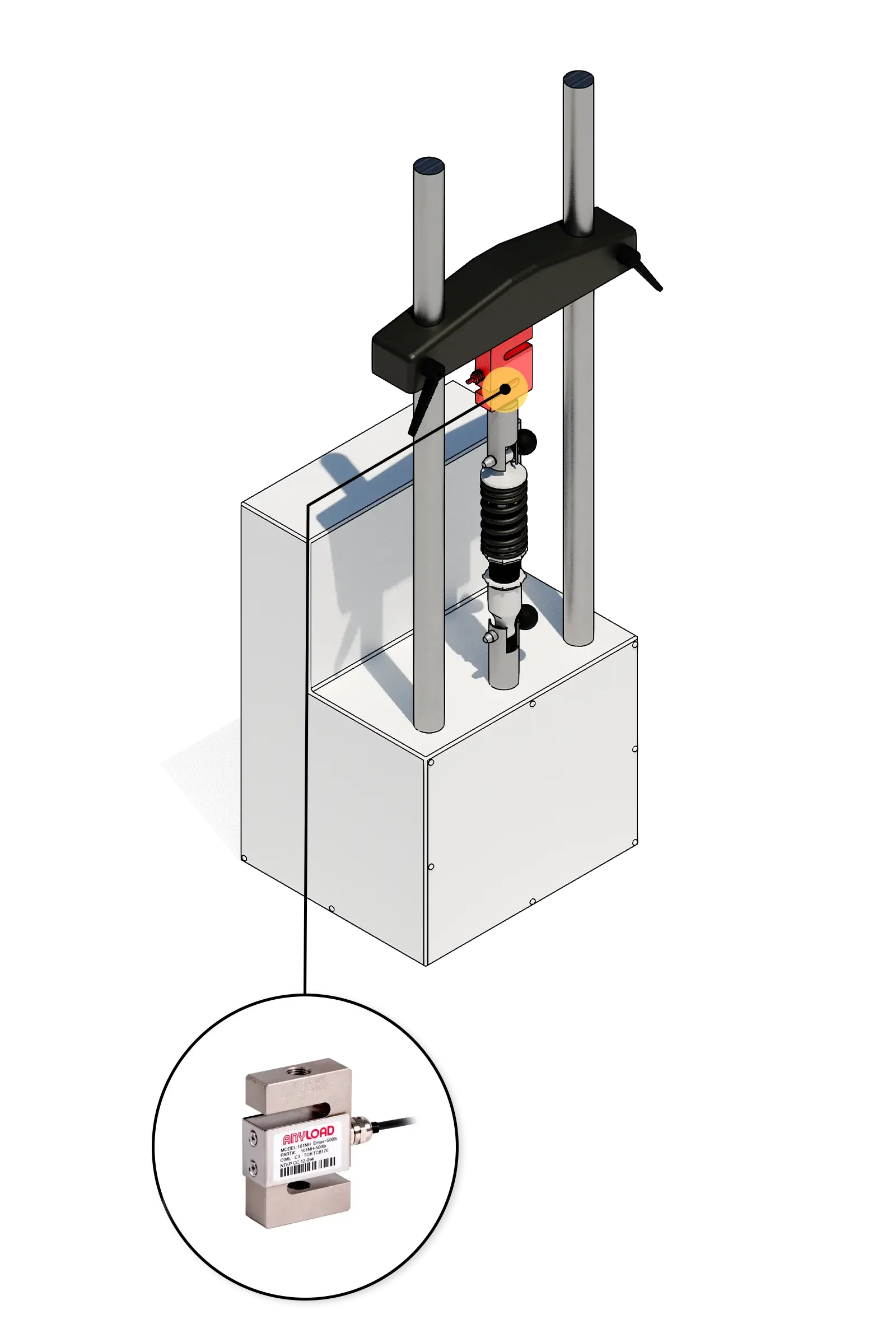
Automotive Component Fatigue Testing
Automotive components must withstand repeated loading throughout their service life. Fatigue testing allows manufacturers and engineers to evaluate how components respond to thousands or millions of operating cycles before production or certification.
Load cells integrated into test fixtures provide controlled force measurement during repetitive testing, allowing engineers to monitor applied loads and compare component performance throughout the test cycle.
ANYLOAD developed a solution for automotive component fatigue testing in which an S-beam load cell was selected for stable operation during repeated testing in temperatures as low as -40°C. The application involved hundreds of thousands of repeated loading cycles, making measurement stability and thermal performance critical.
Challenges & Solutions
- Extreme Temperatures: Automotive components may need to be tested under simulated winter conditions. Sensors must maintain stable output at low temperatures without excessive zero drift.
- High-Cycle Loading: Fatigue tests can involve hundreds of thousands of repeated force cycles. Sensors must withstand repetitive loading while maintaining measurement repeatability.
- Measurement Stability: Small changes in sensor output can accumulate over long test sequences. Stable zero and repeatable measurement help maintain confidence in test results.
- Controlled Force Application: Test equipment requires accurate measurement of the applied force throughout each cycle. Load cells provide direct feedback for monitoring and controlling the test load.
- Long-Duration Testing: Automated fatigue testing may run for extended periods. Durable sensor construction helps support reliable operation throughout lengthy test programs.
View Products:
EV & ICE Manufacturing
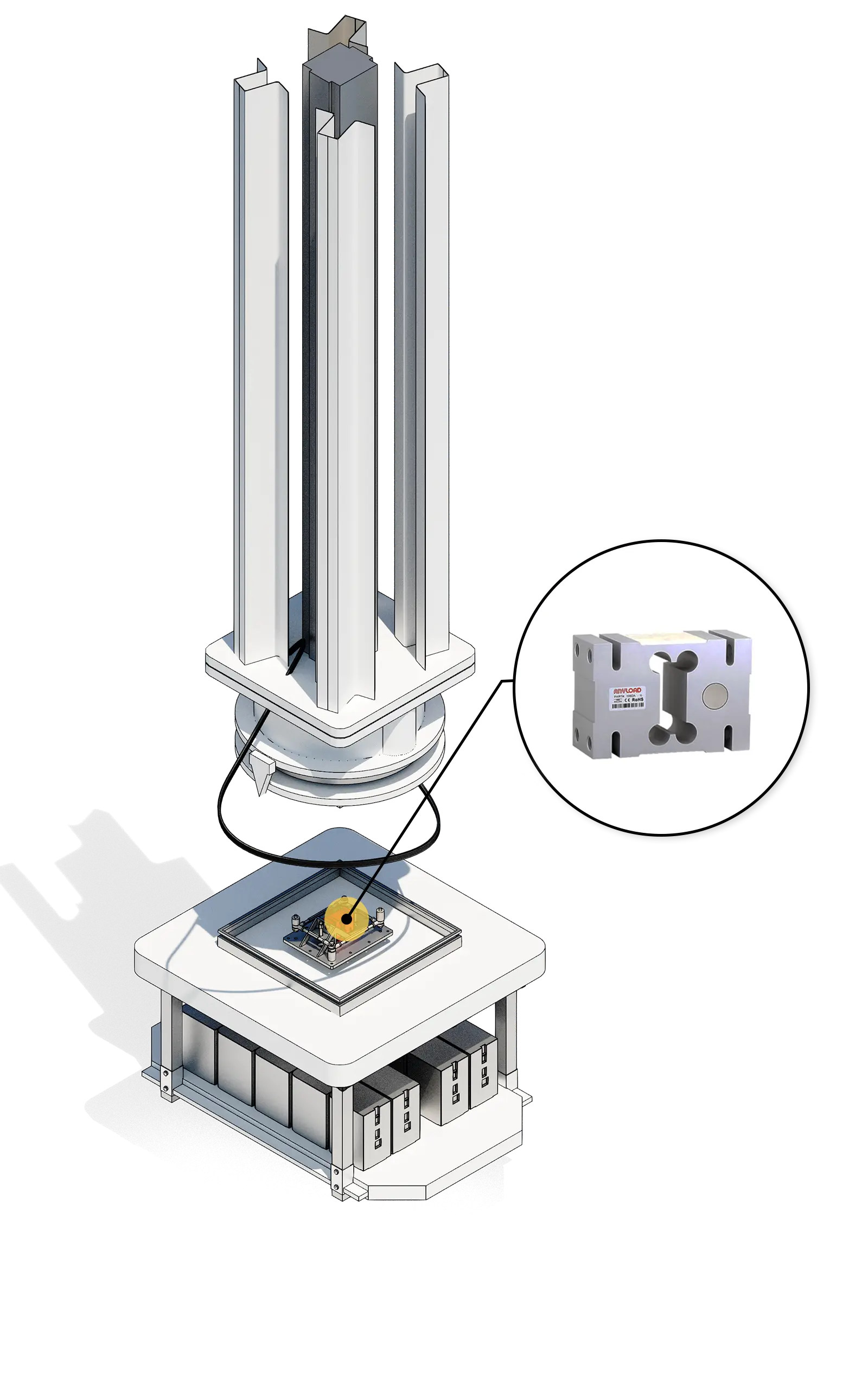
As electric vehicles continue to evolve, battery systems have become major structural and functional components of the vehicle. Accurate weight measurement can support battery development, manufacturing, assembly, and vehicle testing.
Load cells can be incorporated into battery handling and testing equipment to measure battery packs and components during production or engineering processes. This provides manufacturers with quantitative weight data while maintaining controlled handling of heavy and sensitive components.
ANYLOAD’s automotive case studies include electric car battery weighing as an application of load-cell technology
Challenges & Solutions
- High Load Capacity: Battery packs can impose substantial loads on handling and test equipment. Appropriately rated load cells provide reliable measurement across the required load range.
- Distributed Loads: Large battery assemblies can distribute weight across multiple support points. Multi-point weighing systems can combine individual sensor readings to determine total load.
- Mechanical Integration: Battery handling systems often require low-profile or application-specific mounting arrangements. Custom sensor configurations can be designed around available space and load paths.
- Manufacturing Consistency: Consistent weight measurement can provide an additional measurement point during battery assembly and production processes.
- Safe Handling: Accurate load information can help equipment monitor lifting and handling conditions when moving heavy battery assemblies.
View Products:
Force Measurement for Automotive Development
From four-corner vehicle weighing to suspension testing, pedal force measurement, component fatigue testing, and EV battery handling, automotive engineering depends on reliable measurement of the forces and loads acting throughout a vehicle and its components.
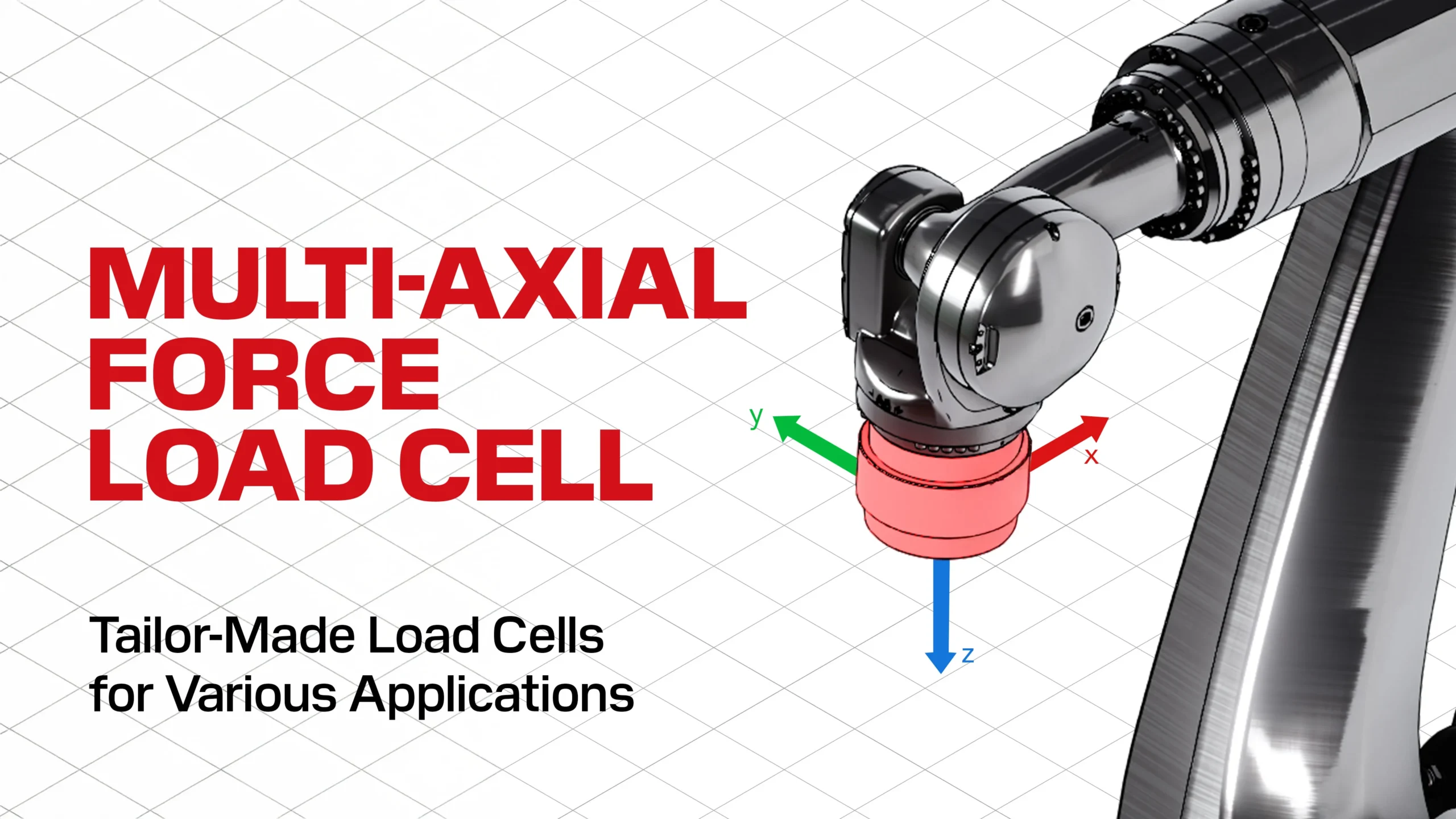
ANYLOAD works with automotive manufacturers, motorsport teams, testing laboratories, and equipment developers to integrate load cells and force sensors into demanding measurement systems. Standard products can be adapted to application-specific mechanical requirements, while custom force measurement solutions provide flexibility for specialized automotive testing and OEM equipment.
Explore ANYLOAD’s force measurement solutions by submit an inquiry for automotive testing and development.
 English
  Korean
  French
  Spanish