
Ancient Canoe Weighing
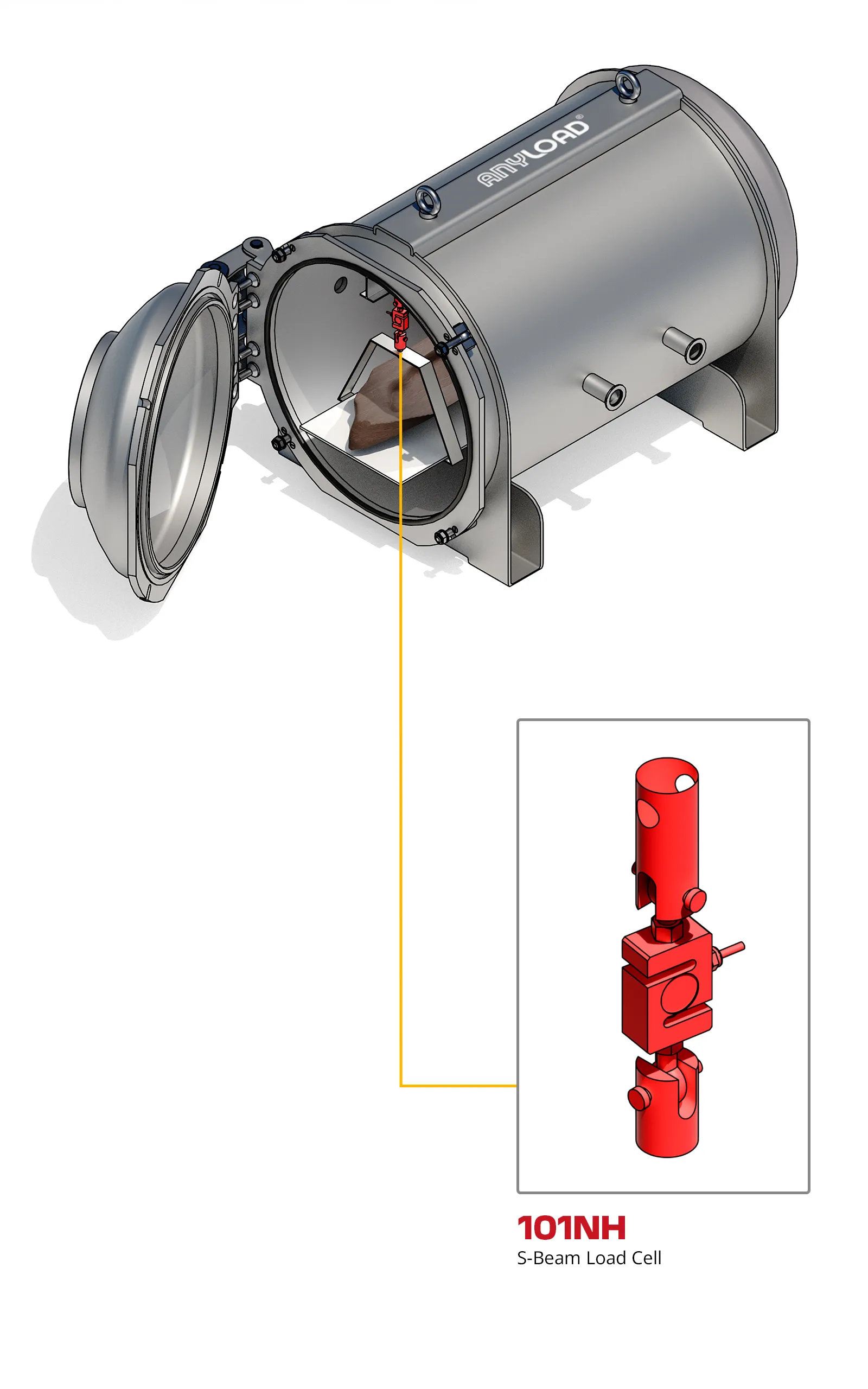
Tension Weigh Module for Ancient Canoe Restoration
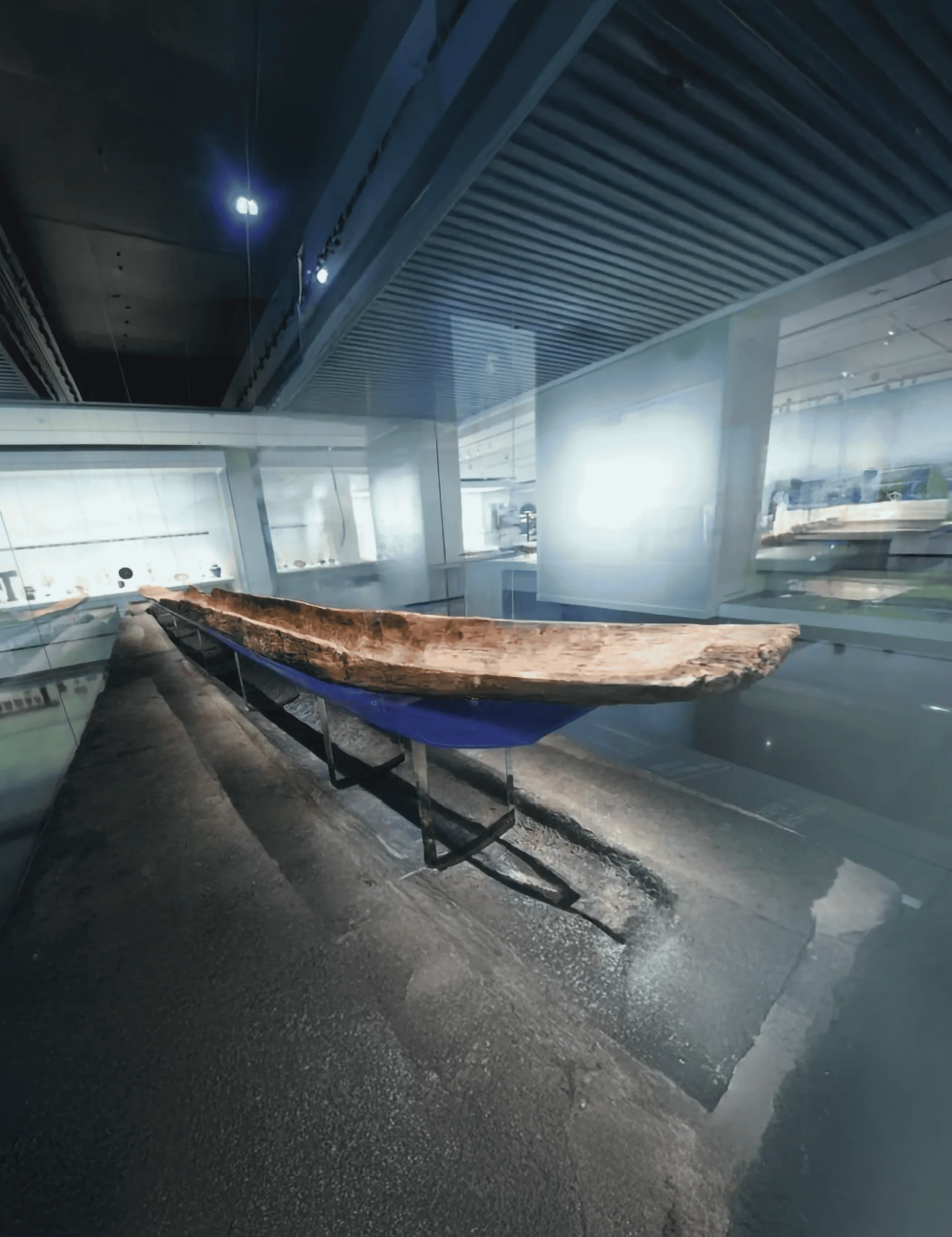
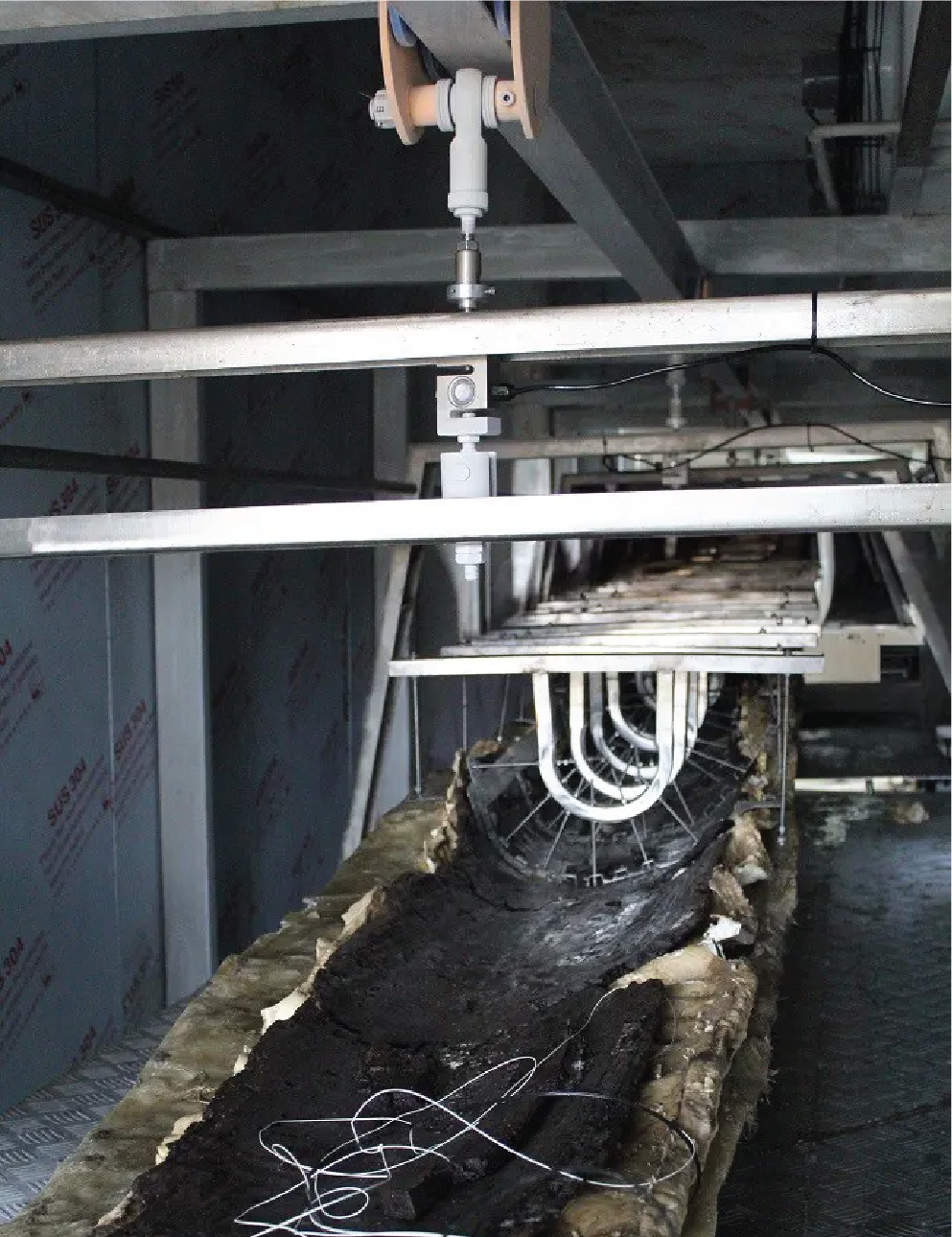
With the continuous advancement of archaeology, the excavation, restoration, and preservation of ancient artifacts have become increasingly important, especially in underwater archaeology and the excavation of ancient boats. A 5,000-year-old canoe was discovered in the Liangzhu Cultural Village, a significant cultural heritage with immense historical and archaeological value. However, its excavation, preservation, and restoration present multiple risks and challenges.
Challenge
- The sensor must operate continuously in temperatures ranging from -40°C to +90°C, requiring data stability over prolonged exposure to extreme temperatures.
- It needs to function in a vacuum environment, ensuring that the sensor’s performance remains unaffected by the vacuum conditions.
- It must withstand high humidity, requiring the sensor to resist moisture and avoid any impact on performance.
Solution
- The sensor uses custom high- and low-temperature strain gauges, with added temperature compensation and fatigue testing to ensure data stability.
- It incorporates specialized vacuum-sealed materials with excellent electrical insulation, chemical stability, broad temperature range, and low volatility. The elastomer materials undergo special polishing and inspection, and aerospace-grade vacuum cables are used to enable the sensor to operate in a vacuum environment.
- A three-layer sealing system is employed, including strain gauge protection, two layers of vacuum material sealing, and cap sealing. This multi-layer protection effectively prevents moisture from affecting the sensor’s performance.
Conclusion
In the future, we aim to further enhance the performance of strain-based load cells in specialized environments, providing crucial support for broader applications.
Keywords:
Featured Products
101NH
S-Beam Load Cell
See standard version.
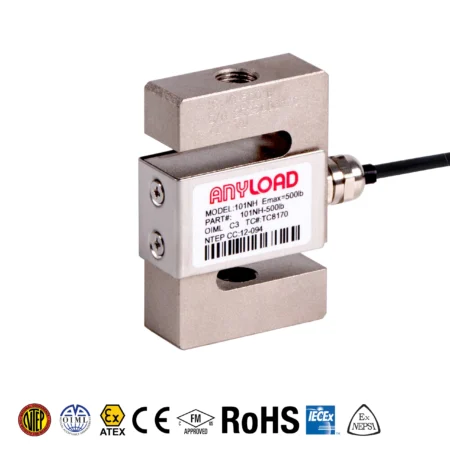
The 101NH S-beam is an OIML C3/C4.5 and NTEP-approved S-beam suited to a wide variety of applications due to its simplicity, ease of installation, and overall reliability. Threaded mounting holes allow easy mounting to most fixtures. This IP67 water-resistant S-beam is also interchangeable with Artech 20210, Rice Lake RL20000, Revere 363, Coti Global CGSB / CSGB-1, and more (see: INTERCHANGEABLE tab). This versatile design is popular in a wide range of applications, including tank, process weighing, hoppers, and countless other force measurement and tension weighing needs.
101NHM2
Tension Weigh Module
See standard version.
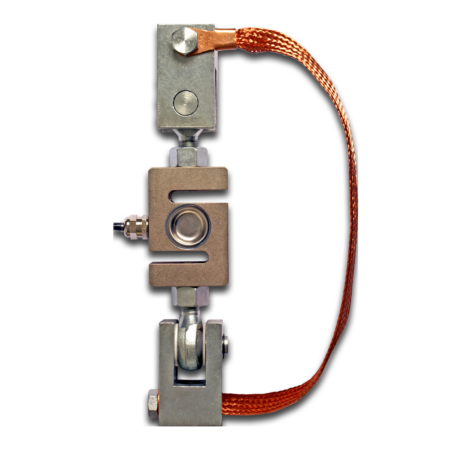
The Anyload 101NHM2 Tension Weigh Module is a robust mounting solution engineered to enable high-accuracy tension force weighing when paired with an Anyload 101NH S-beam load cell (sold separately). Constructed from durable alloy steel and designed for reliable performance across capacities ranging from 50 lb up to 10 Klb, this module ensures precise tension loading for suspended tanks, hoppers, process weighing systems, and other industrial applications.

Electric Car Battery Weighing
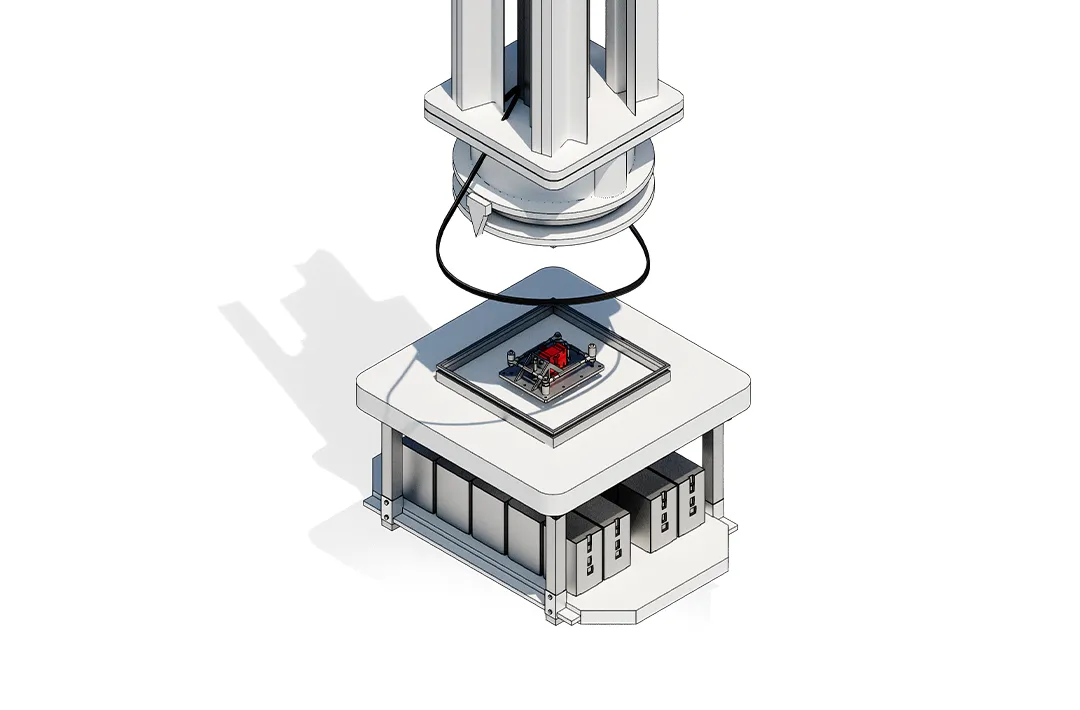
The weight of an electric car battery has a significant impact on the overall performance and efficiency of the vehicle. In the new energy electric vehicle industry, each battery pack used in electric cars must be monitored. The weight of a lithium battery affects the vehicle’s energy storage, acceleration, handling, and safety.
Quick Release Mooring Hooks
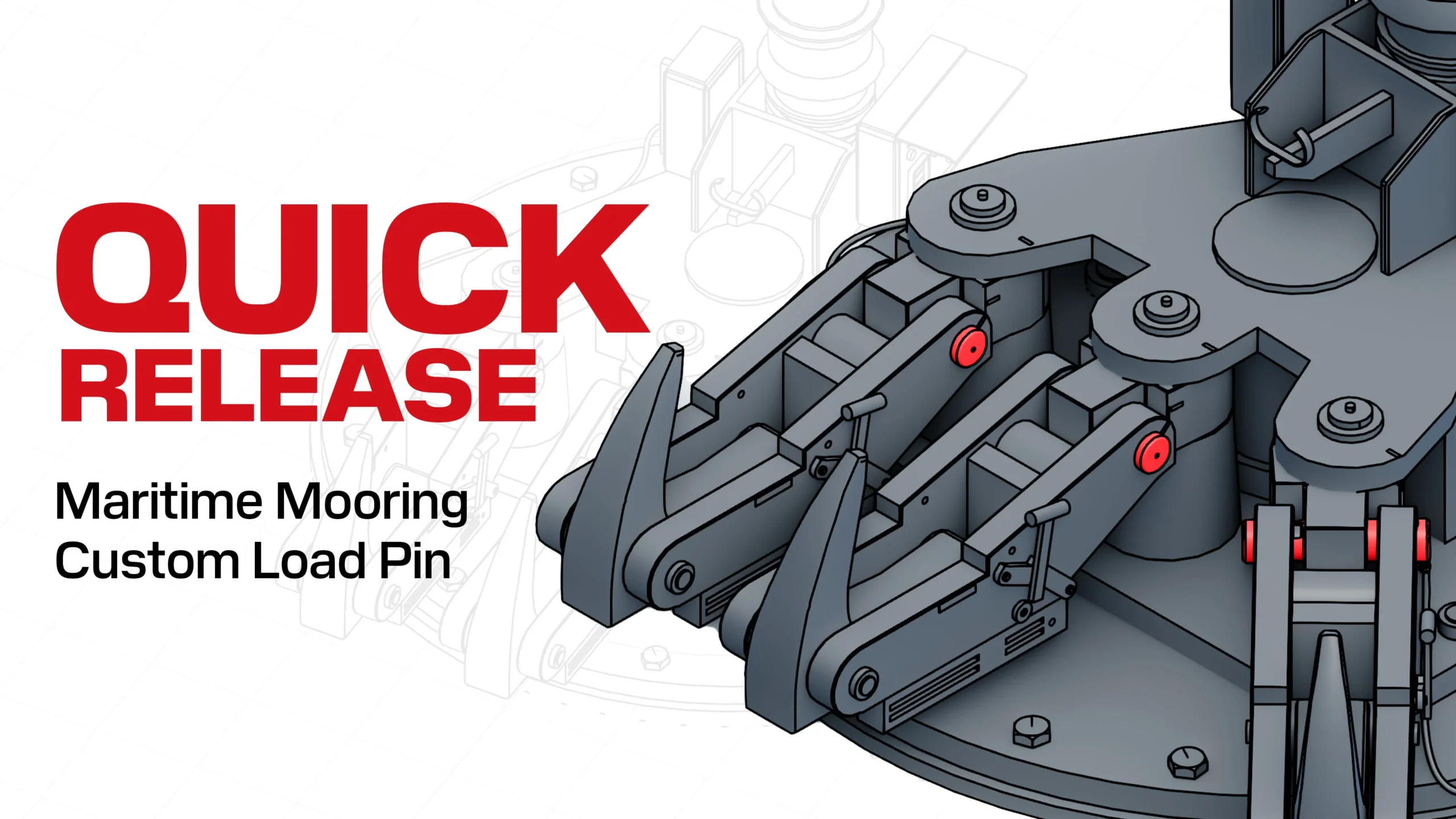
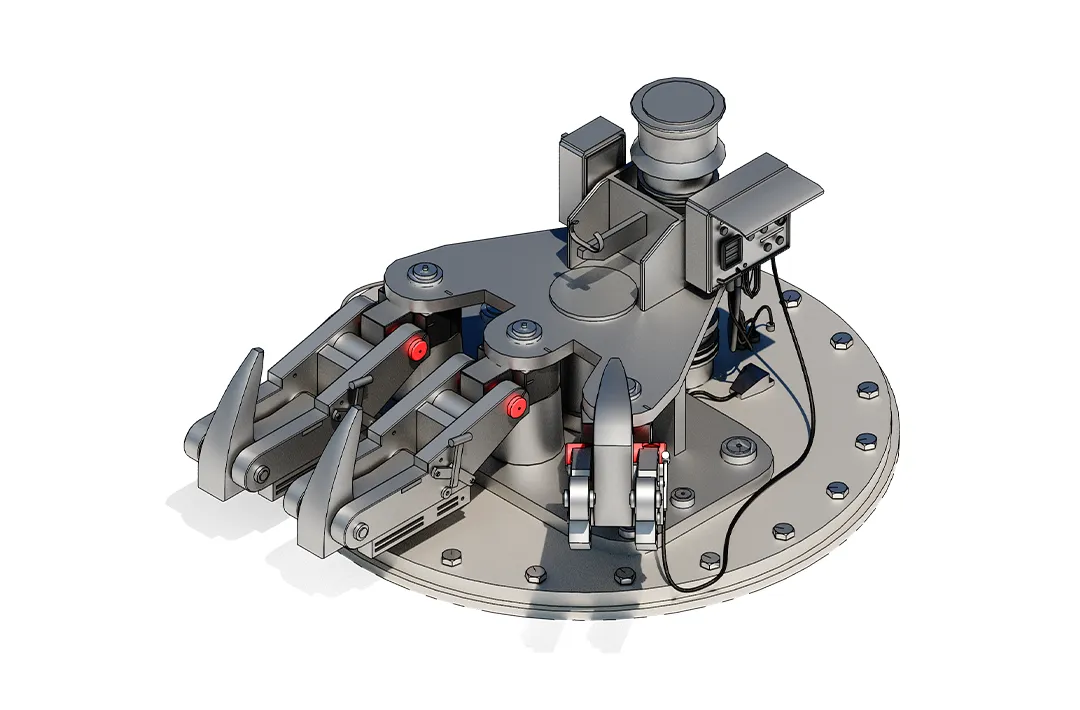
Quick release mooring hooks (QRHs) play a critical role in safely securing vessels at ports, oil terminals, LNG facilities, and commercial harbors. By integrating custom load pin load cells directly into the hook assembly, operators can continuously monitor mooring line tension, prevent dangerous overload conditions, and ensure vessels can be released safely during emergency situations without compromising operational reliability.
Wind Turbine Blade Weighing
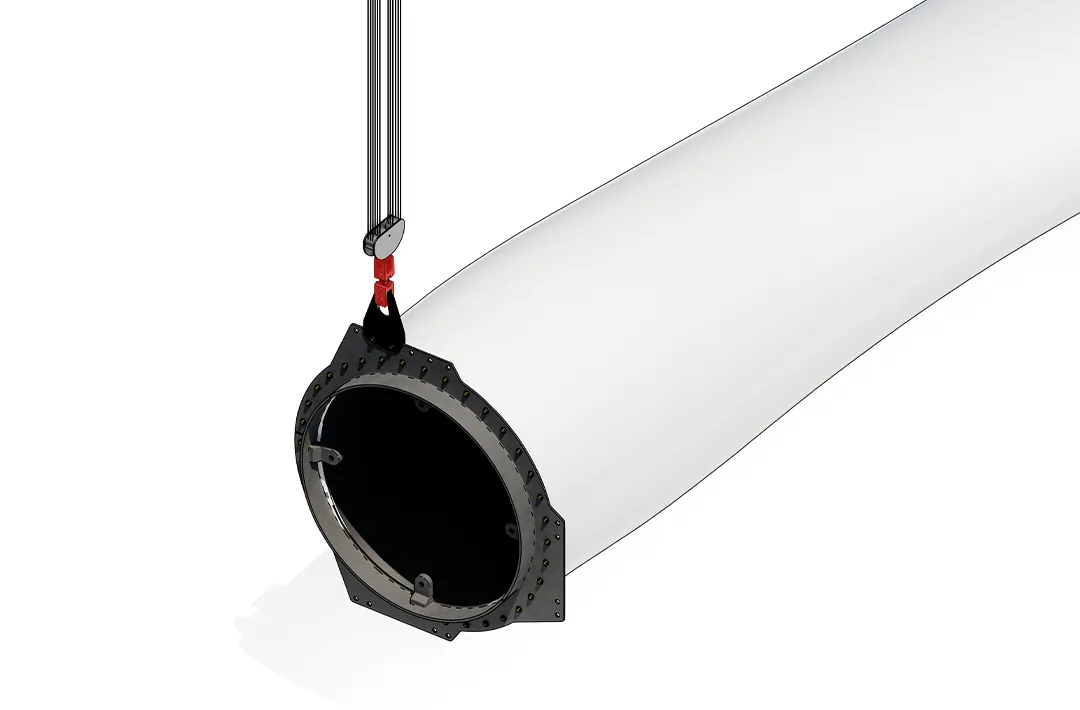
ANYLOAD applied industry-leading tension link technology to develop a critical system for ensuring consistency in wind turbine blade manufacturing. Wind turbine blades must be precisely balanced in weight and centre of gravity to minimize weight imbalances that can significantly shorten the expected service lifespan of wind turbines. Imbalanced blades can exert uneven forces on the rotor hub, leading to misalignment and material fatigue failures in the gear box and other turbine components.