
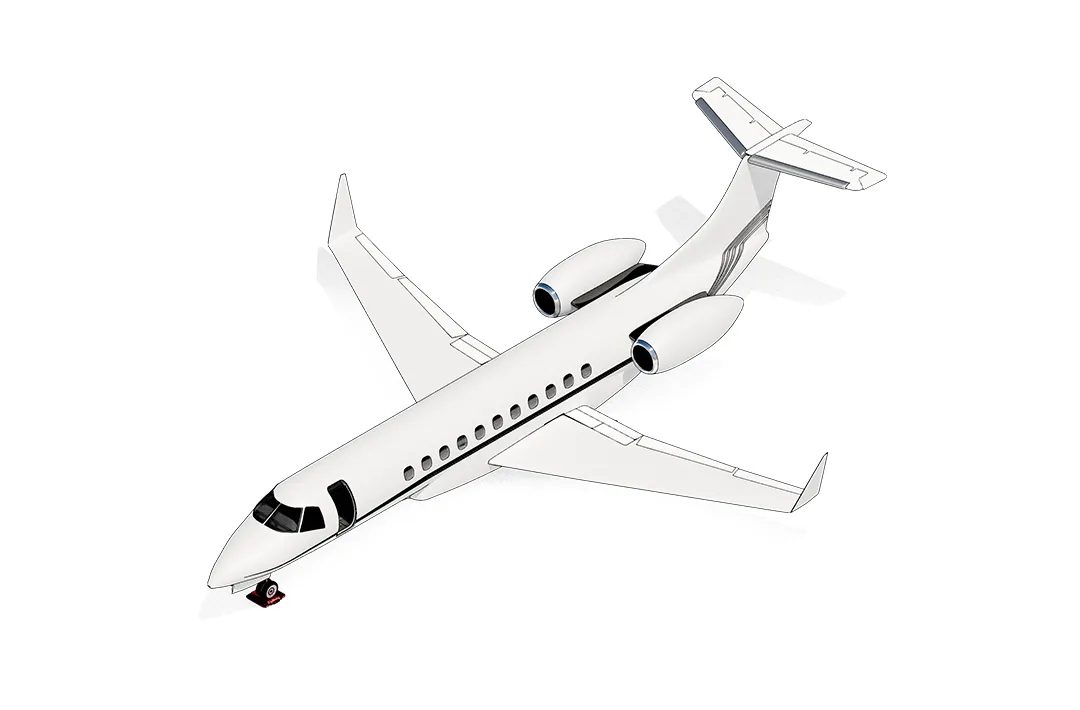
Aerospace-Grade Load Cells for Wing Fatigue Testing
High-Precision Bidirectional Load Measurement for Structural Validation
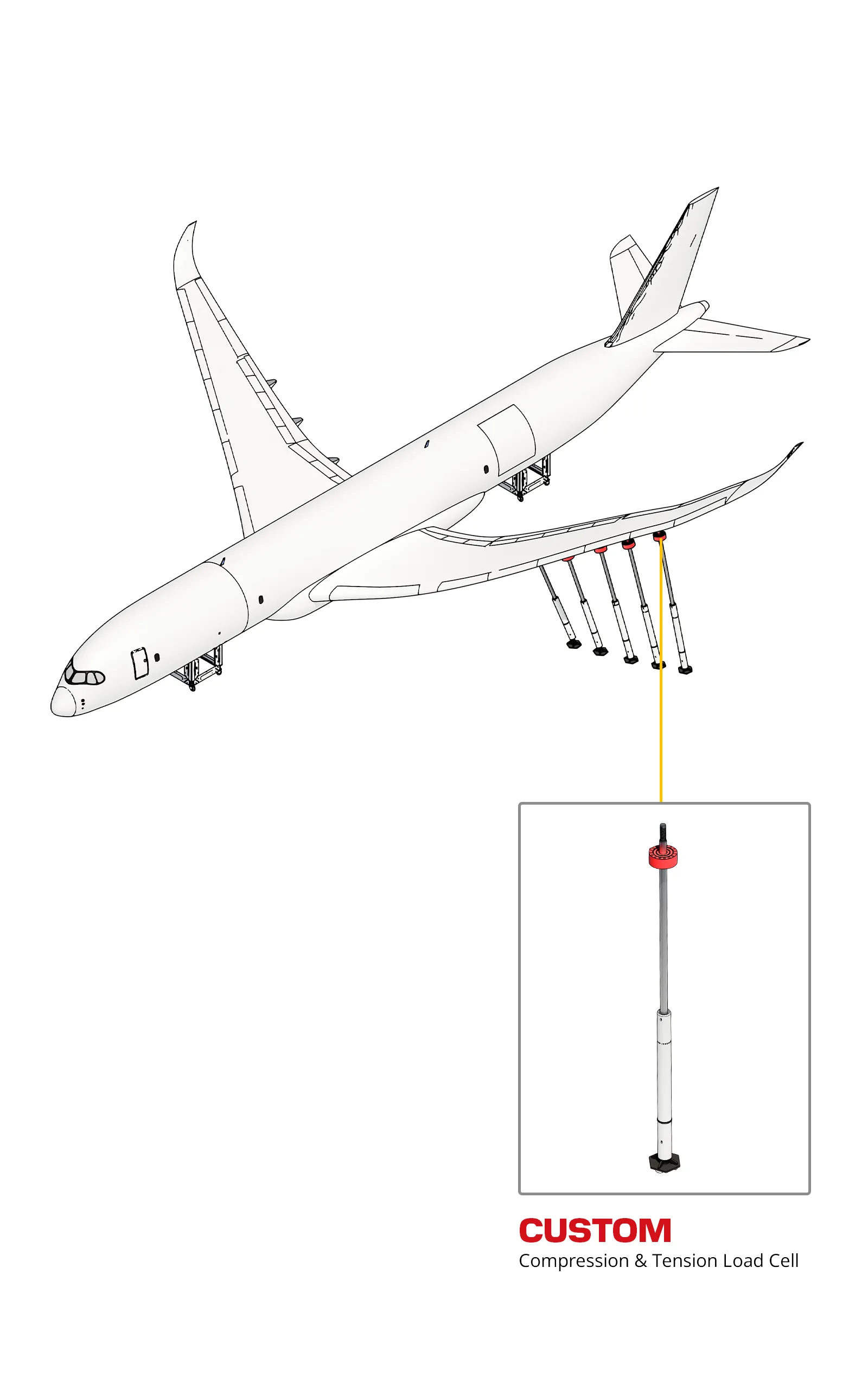
Aircraft wings serve as major load-bearing structures. Their fatigue life, structural integrity, and safety margin directly determine the long‑term safety and service life of the aircraft. During wing fatigue testing and certification, accurate force measurement is essential.
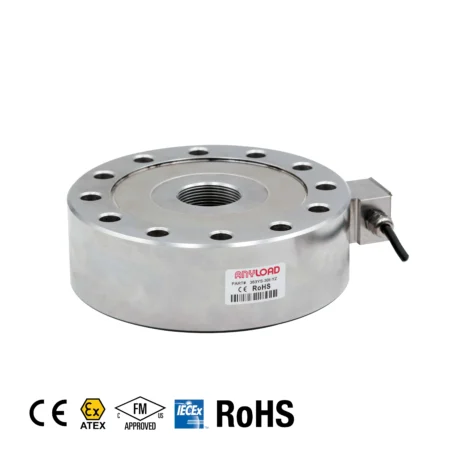
For this application, the 363YS Disc Load Cell was customized to meet the stringent requirements of aerospace structural testing. The modified design features enhanced accuracy and custom dimensions tailored specifically for wing fatigue testing conditions. With aerospace‑grade precision, ultra‑long fatigue life, and exceptional signal stability, this custom 363YS delivers reliable real‑time measurement of bidirectional tensile and compressive loads. Its performance enables precise evaluation of stress distribution and fatigue progression, providing trustworthy data that supports structural design, service life assessments, and airworthiness certification.
Challenge
- Dual‑Direction High‑Precision Requirements: Wing fatigue testing demands that force measurement systems maintain an accuracy exceeding ±0.1% full scale (FS) in both tension and compression. This creates demanding requirements for sensor design, machining accuracy, and assembly processes.
- Fatigue Endurance: Wing fatigue testing must replicate decades of operational loading. Sensors must withstand over 10 million load cycles without drift, deformation, or structural failure. This requires specialized materials, fatigue‑resistant geometries, and highly controlled manufacturing processes.
- Complex Test Environment: Vibration, electromagnetic noise, and shifting temperatures are common in wing fatigue tests. Load cells must provide strong electromagnetic compatibility (EMC) and high interference immunity to prevent signal distortion and maintain reliable measurement data.
Solution
Bidirectional Accuracy Exceeding 0.1% FS: The custom 363YS is engineered for high‑precision measurement in both tension and compression. Finite element analysis is used to optimize the disc structure and eliminate stress concentrations. Multi‑axis machining then tightly controls all critical dimensions. Heat treatment and stress‑relief processes further stabilize the structure. Together, these measures ensure bidirectional accuracy exceeding 0.1% FS.
Verified Fatigue Life of 10 Million Cycles: To support multi‑year fatigue programs, the custom 363YS underwent extensive high‑cycle endurance testing using dedicated fatigue equipment. Continuous refinement of materials, structural geometry, and manufacturing methods enables the load cell to withstand more than 10 million load cycles without structural damage or performance drift.
Robust Interference Resistance: The custom 363YS uses circuit designs optimized for strong electromagnetic compatibility (EMC) to ensure clean and reliable signal output. This design enables the load cell to resist electrical interference without affecting measurement accuracy. It also incorporates compensation across a wide temperature range to reduce thermal drift and zero‑point changes during extended testing. EMC testing, vibration testing, and environmental reliability trials were used to verify performance.
Conclusion
Intentionally customized for aerospace structural testing, this modification of the ANYLOAD 363YS load cell delivers the performance, durability, and reliability required for wing fatigue testing and certification environments. Its impressive bidirectional accuracy, 10 million‑cycle fatigue life, and robustness make it a trusted solution for high‑stakes aerospace applications.
Keywords:
Aerospace Fatigue Testing, Wing Structural Testing, 10‑Million‑Cycles, Disc‑Type Force Sensor, Tensile/Compressive Load
Featured Products
CUSTOM 363YS
Compression & Tension Load Cell
See standard version.

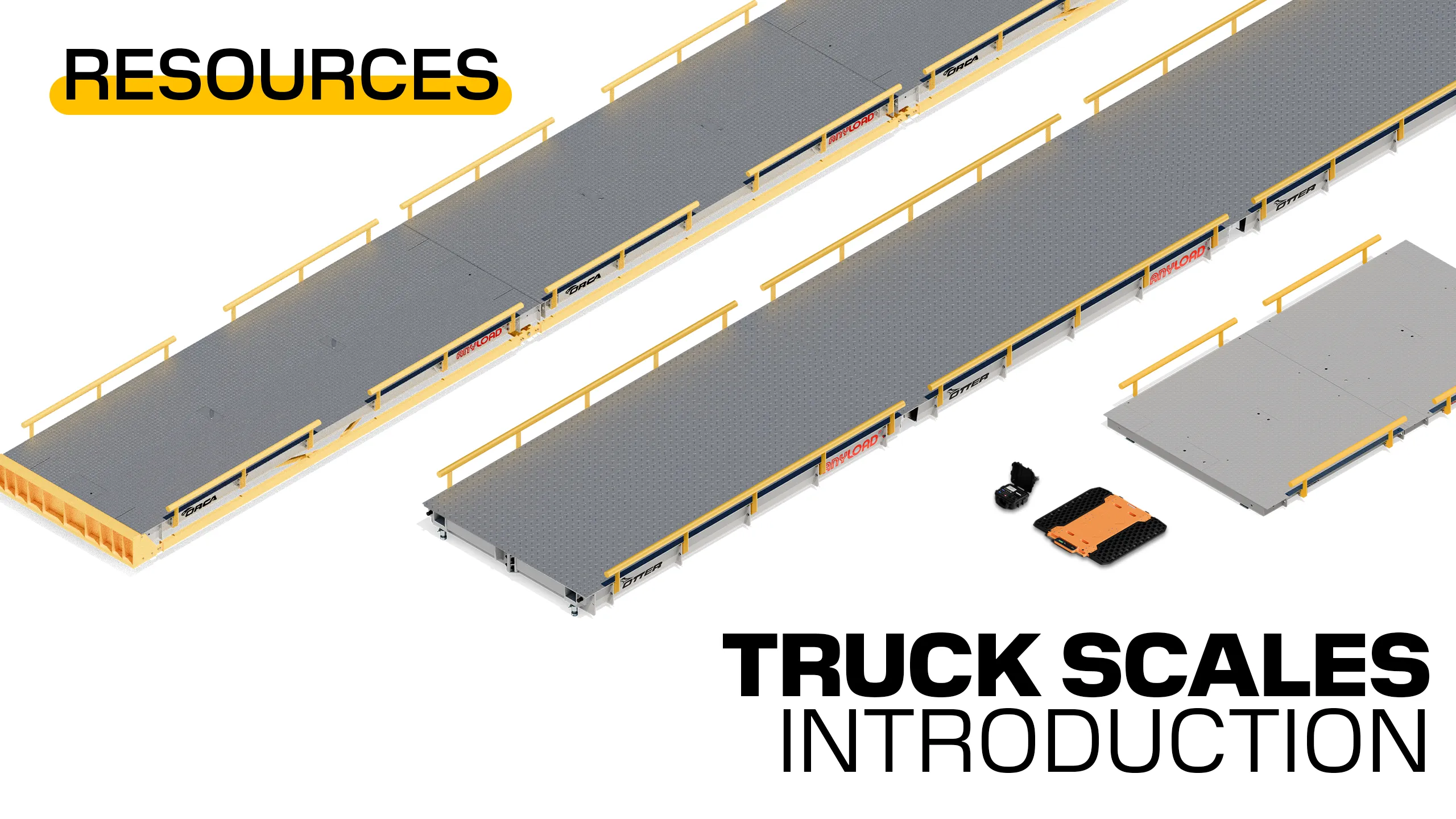
Low-Profile Aircraft Weighing System
The subject of this study is a leading aerospace maintenance and flight operations facility. They manage a diverse fleet of aircrafts and are responsible for critical safety inspections, including periodic weight and balance verification to ensure flight stability and structural integrity.
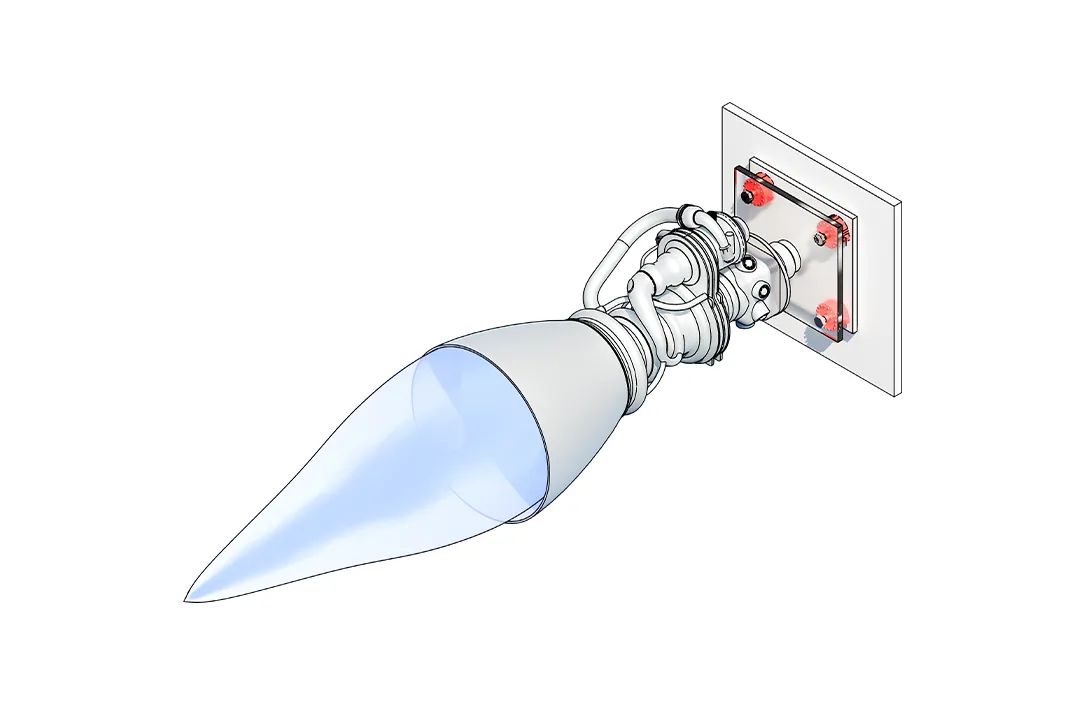
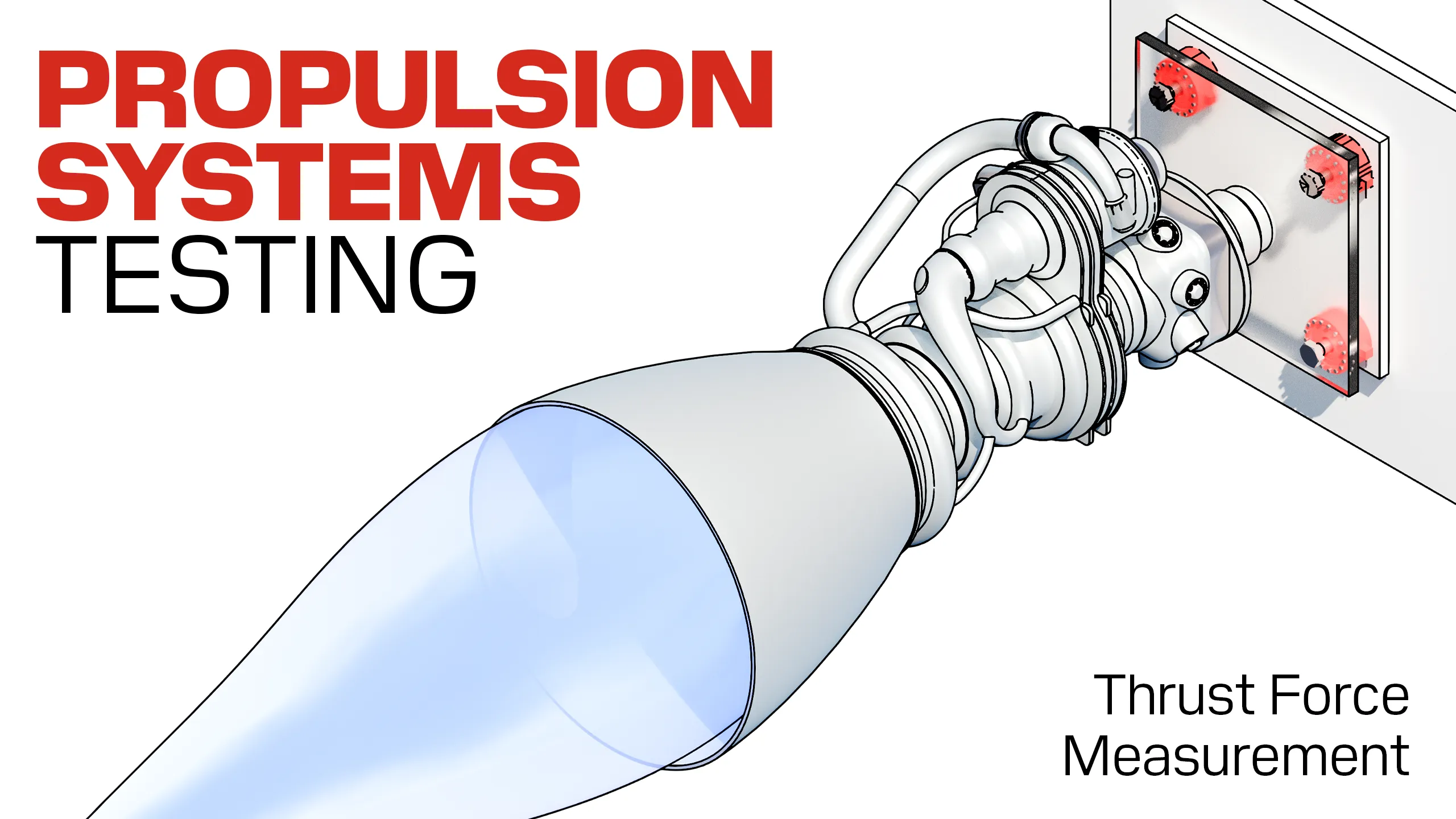
Rocket Engine Thrust Force Measurement
A facility developing liquid-propellant rocket engines needed a reliable way to measure thrust during static fire tests. These tests involve extreme conditions, including intense exhaust heat and strong vibrations, that complicate force measurement. Accurate force measurement under changing conditions is critical for engine validation, combustion stability analysis, and mission modelling.
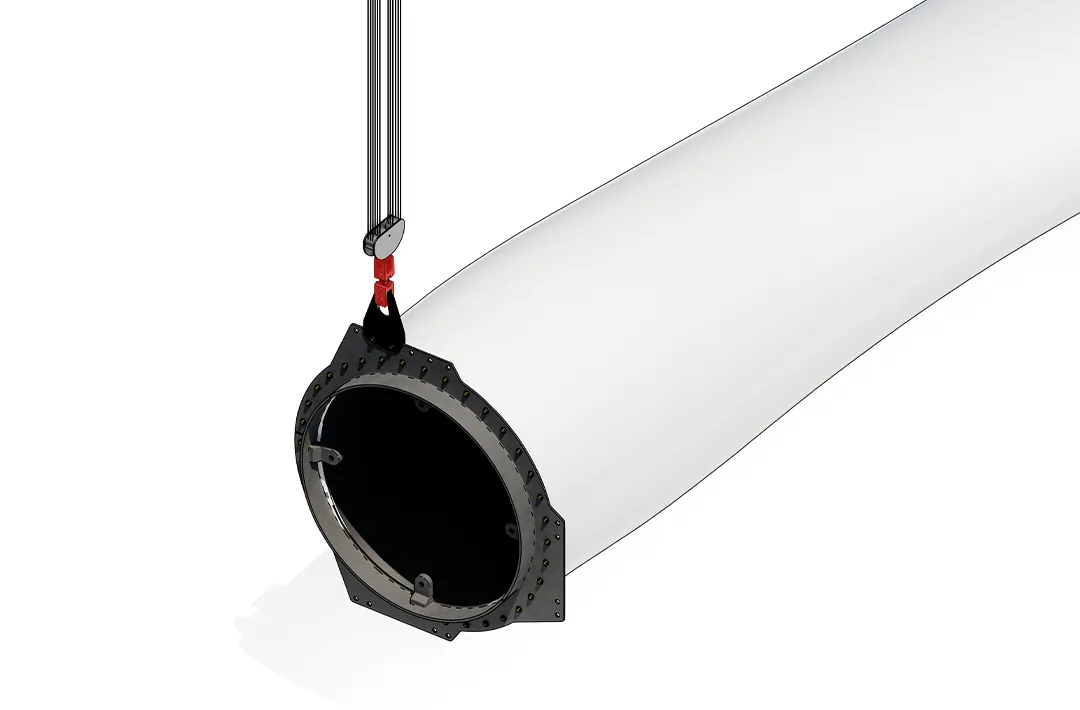
Wind Turbine Blade Weighing
ANYLOAD applied industry-leading tension link technology to develop a critical system for ensuring consistency in wind turbine blade manufacturing. Wind turbine blades must be precisely balanced in weight and centre of gravity to minimize weight imbalances that can significantly shorten the expected service lifespan of wind turbines. Imbalanced blades can exert uneven forces on the rotor hub, leading to misalignment and material fatigue failures in the gear box and other turbine components.