




Robotic Body-Weight Support

Force Measurement for Gait Rehabilitation Systems

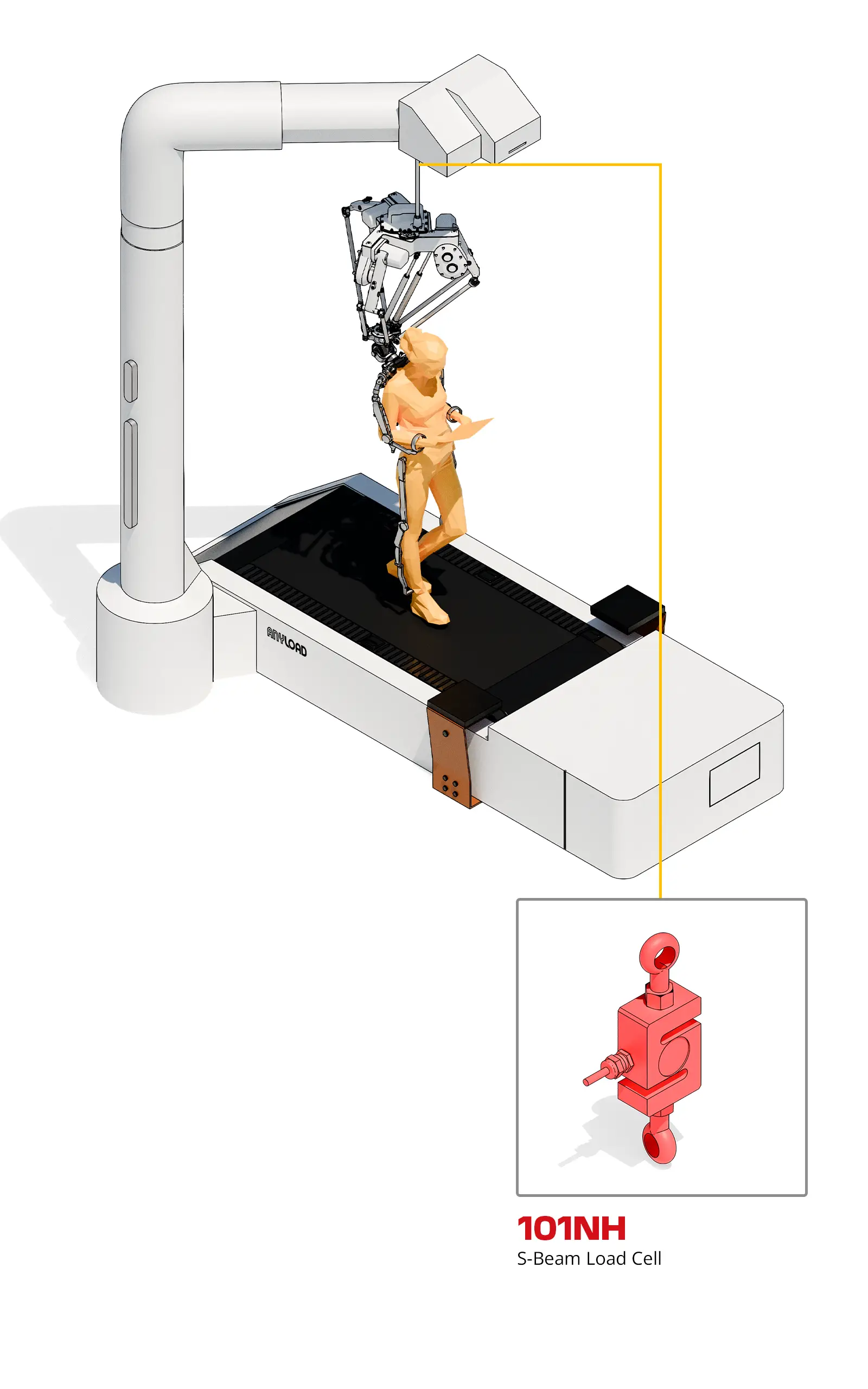
Robotic body-weight support systems help patients practice walking, balance, transfers, and other rehabilitation activities while partially supported by an overhead harness. The system continuously adjusts cable tension to unload a prescribed portion of the patient’s weight while allowing natural vertical and horizontal movement.

Accurate force feedback is central to maintaining consistent unloading, tracking rehabilitation progress, and activating fall-protection functions.

Challenge

  1. Dynamic Load Control: The measured force changes as the patient walks, rises, sits, accelerates, or changes direction. The sensor must provide fast, stable feedback so the controller can maintain the selected support force.
  2. High Safety Factors: The load path must support the patient during routine therapy and withstand higher transient forces during a stumble or fall-arrest event.
  3. Complex Mechanical Integration: Cable angles, pulley friction, trolley motion, harness movement, and off-axis loading can affect measurement accuracy. The sensor must be positioned within a controlled load path.

Solution

  1. Inline Force Measurement: A tension load cell or instrumented load pin measures cable force directly within the hoist, trolley, or pulley assembly. Real-time feedback allows the controller to adjust motor torque and maintain nearly constant body-weight support.
  2. Application-Specific Engineering: ANYLOAD works with the equipment manufacturer to evaluate cable routing, pulley geometry, dynamic loads, fatigue life, overload protection, sampling rate, and control-system integration. Prototype testing validates performance during walking, transfers, and simulated fall events.
  3. ISO 13485 OEM Manufacturing: Custom capacities, mechanical interfaces, connectors, cable routing, and calibrated outputs support direct integration into rehabilitation equipment. ANYLOAD provides prototypes through volume production under an ISO 13485-certified quality management system.

Conclusion

A properly integrated force sensor enables robotic rehabilitation systems to deliver consistent body-weight support while maintaining responsive motion and reliable fall protection. Dynamic performance, fatigue resistance, overload capacity, and controlled medical-device manufacturing are critical to dependable long-term operation.

Keywords:
Robotic Body-Weight Support, Gait Rehabilitation Load Cell, Dynamic Weight Support Sensor, Rehabilitation Robotics, Patient Harness Force Sensor, Medical Load Pin, Fall Protection Load Cell.

Featured Products

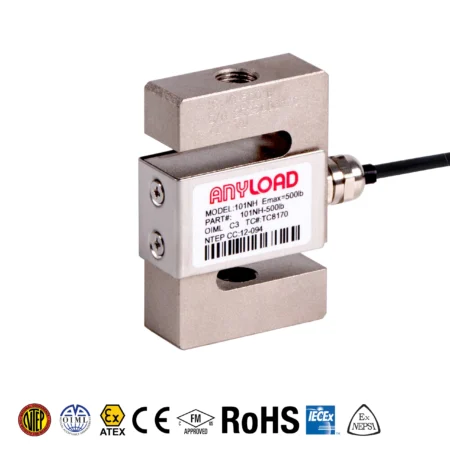
101NH
S-Beam Load Cell
See standard version.

The 101NH S-beam is an OIML C3/C4.5 and NTEP-approved S-beam suited to a wide variety of applications due to its simplicity, ease of installation, and overall reliability. Threaded mounting holes allow easy mounting to most fixtures. This IP67 water-resistant S-beam is also interchangeable with Artech 20210, Rice Lake RL20000, Revere 363, Coti Global CGSB / CSGB-1, and more (see: INTERCHANGEABLE tab). This versatile design is popular in a wide range of applications, including tank, process weighing, hoppers, and countless other force measurement and tension weighing needs.

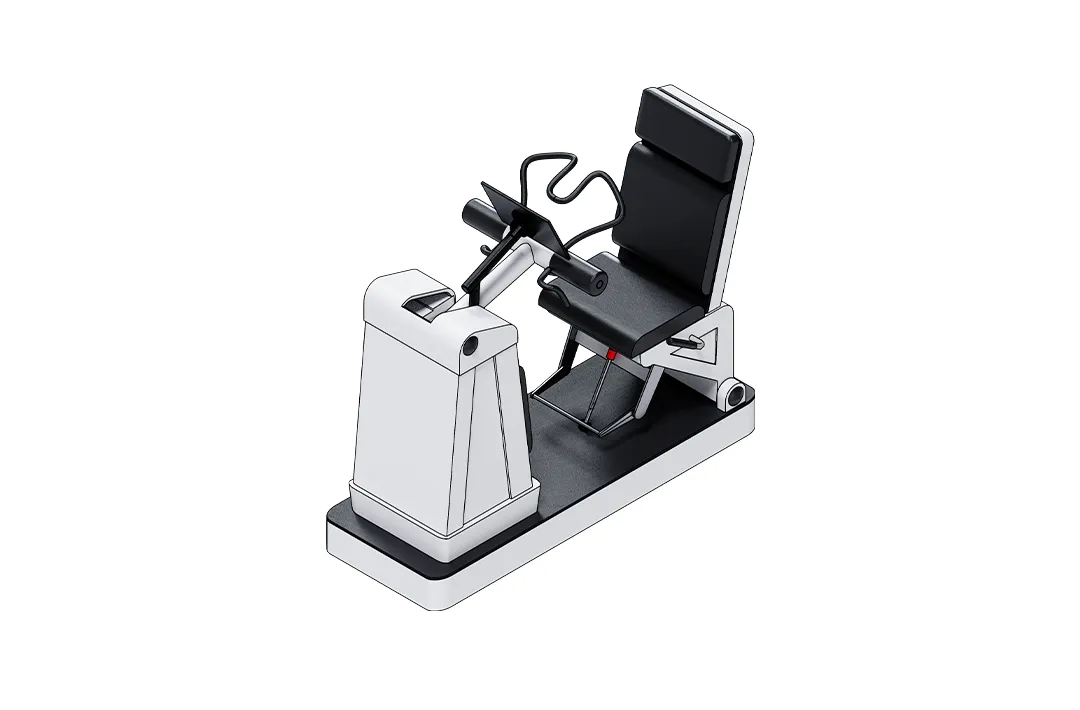
Force Measurement for Bone Density Training

In strength and rehabilitation training, precise data is captured to measure and quantify performance while helping professionals guide performance goals. Designed to directly measure isometric muscle force, a small form factor button load cell is installed into the frame of the bone density system to provide real-time accurate force readings without affecting the main functions and movements of the machine.
Neonatal Incubator Weighing

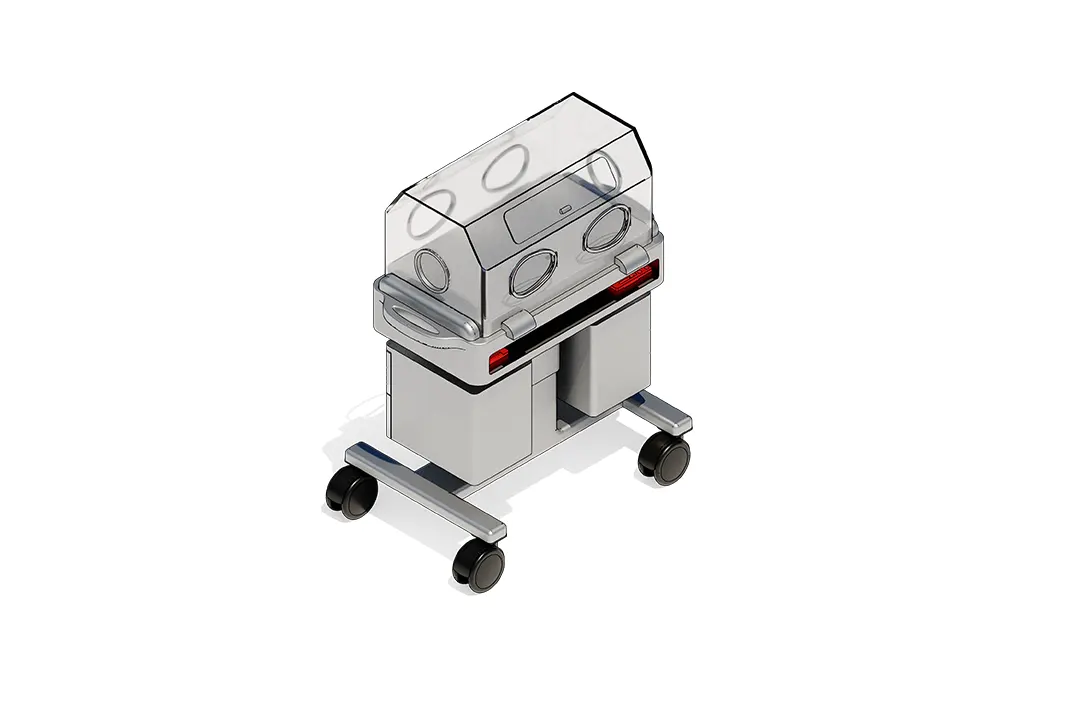
A neonatal incubator provides a controlled environment for premature and medically vulnerable newborns. Many incubators incorporate an infant weighing system beneath the mattress platform, allowing clinical staff to monitor weight and growth without transferring the infant to a separate scale. This reduces unnecessary handling and simplifies routine weighing around monitoring cables, tubing, and other connected equipment.
Hospital Bed Weighing

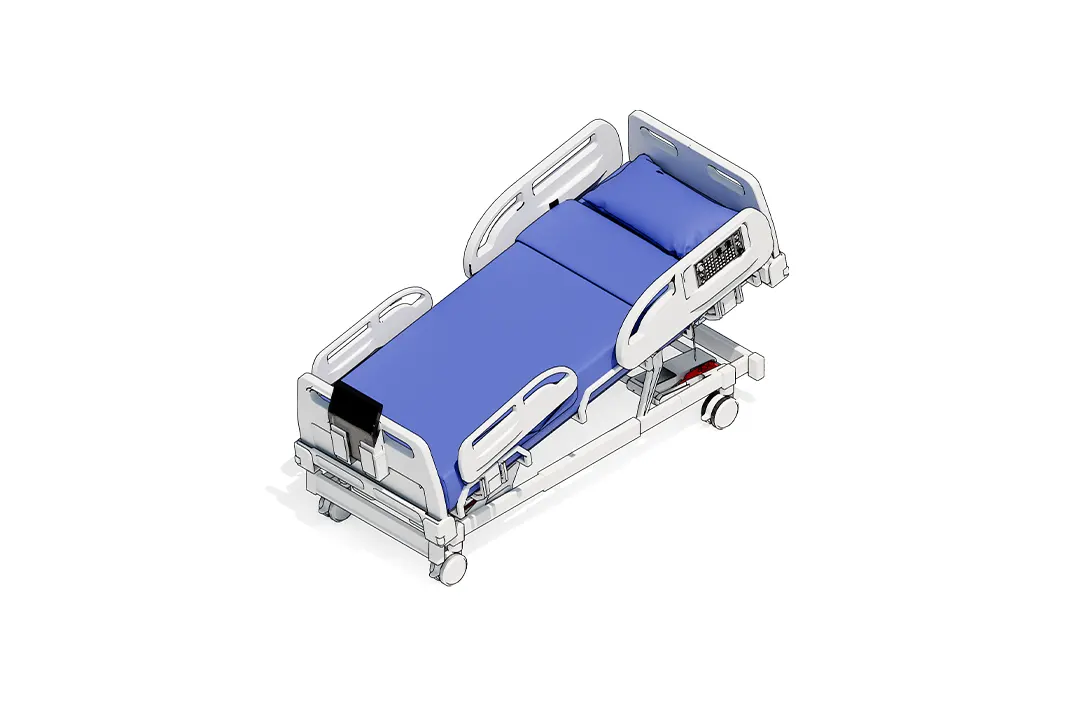
Hospital beds with integrated scales allow caregivers to weigh patients without transferring them to separate weighing equipment. This is particularly important in intensive care, recovery, and long-term care settings where movement may be difficult or clinically undesirable.

Scroll to Top