







Hospital Bed Weighing

Integrated Weight and Load Sensing for Ambulance Cots

Hospital beds with integrated scales allow caregivers to weigh patients without transferring them to separate weighing equipment. This is particularly important in intensive care, recovery, and long-term care settings where movement may be difficult or clinically undesirable.

Patient weight data supports treatment planning, medication and nutrition management, fluid-balance monitoring, and documentation. The same load-sensing system can also support bed occupancy and bed-exit alert functions.

Défi

  1. Accurate Multi-Point Weighing: Patient position, mattress systems, bedding, accessories, drainage bags, and articulated bed sections can change the distribution of weight across the frame.
  2. Compact Mechanical Integration: Load cells must fit between the mattress platform and lower frame, or near the bed’s four support points, without increasing bed height or interfering with lifting and positioning mechanisms.
  3. Reliable Clinical Operation: Sensors must withstand repeated adjustment cycles, off-centre loading, cleaning, bed transport, and occasional overload while maintaining stable calibration throughout the equipment’s service life.

Solution

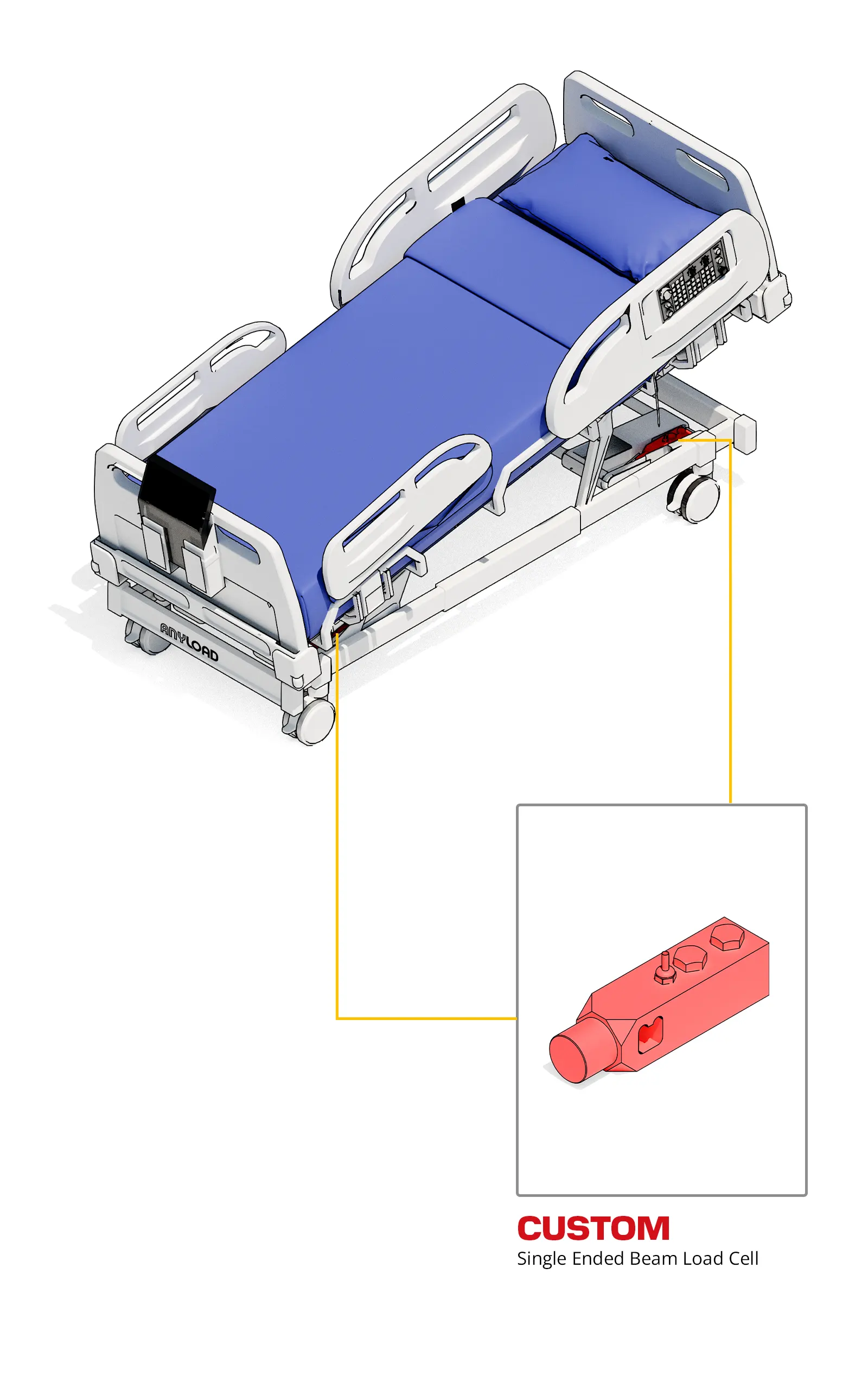
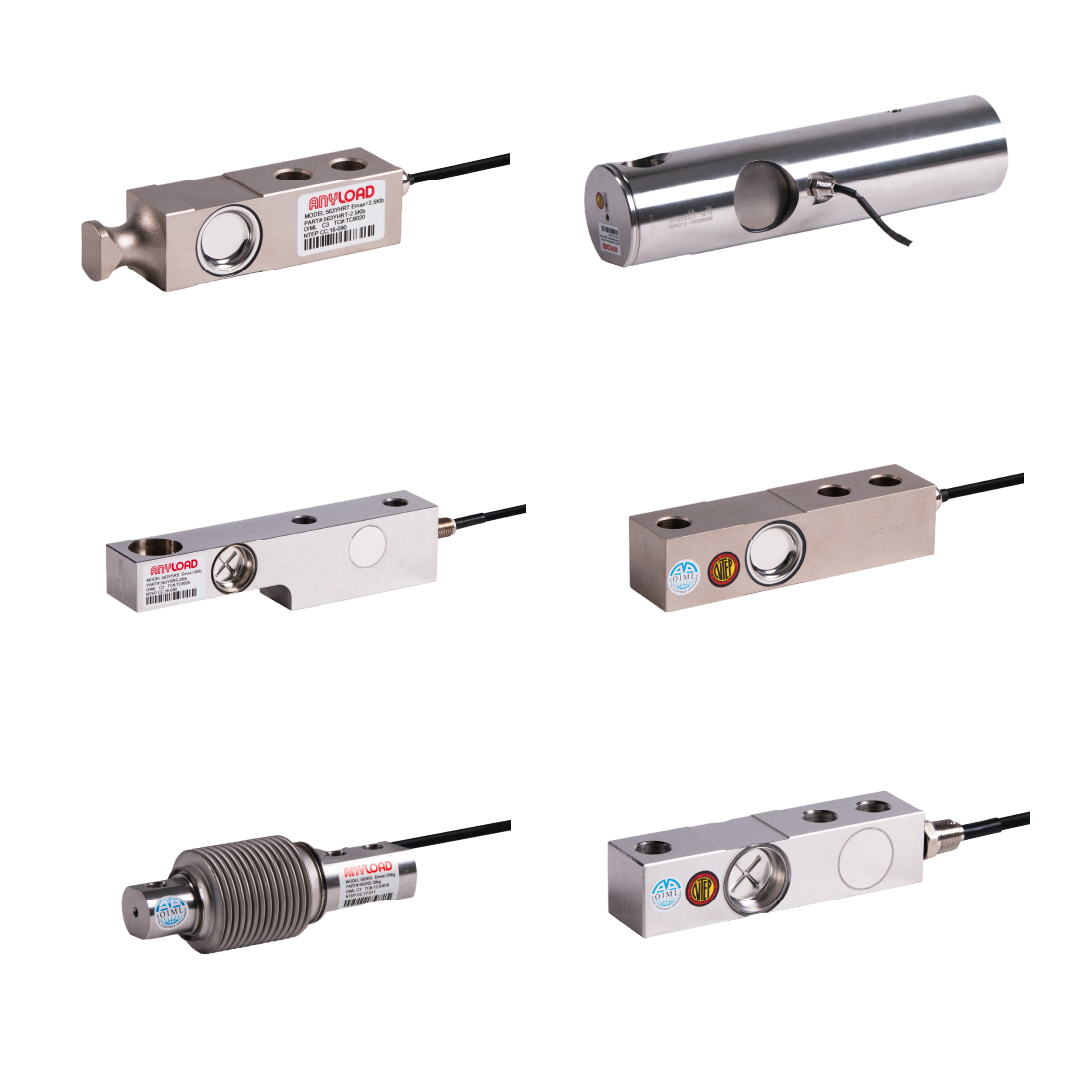
  1. Four-Point Load Measurement: Low-profile planar or beam load cells installed at the head and foot corners capture the complete mattress-platform load. Proper sensor placement isolates the weighing structure from actuators, cables, and other potential force shunts.
  2. System and Electronics Integration: Matched outputs simplify multi-cell assembly and calibration. Tare functions, digital filtering, accessory compensation, and bed-position testing help maintain consistent readings as the patient or bed configuration changes.
  3. ISO 13485 OEM Manufacturing: Cable assemblies, connectors, mounting interfaces, capacities, and calibration can be customized for the bed manufacturer. ANYLOAD supports prototypes through high-volume production under an ISO 13485-certified quality management system, with controlled inspection, traceability, and engineering change control.

Conclusion

An integrated four-point load cell system provides hospital beds with reliable patient weighing while reducing unnecessary transfers. Compact sensor integration, matched outputs, stable calibration, and scalable medical-device manufacturing support both clinical weighing and smart-bed monitoring functions.

Mots-clés :
Hospital Bed Scale, Medical Bed Load Cell, Integrated Patient Weighing, Smart Hospital Bed Sensors, Bed Exit Load Sensor, Patient Weight Monitoring, ISO 13485 Load Cell

Produits vedettes

PERSONNALISÉ
Capteur de pesage à simple effet
Voir la version standard.

ANYLOAD can develop a compact single-ended beam load cell or instrumented cross member based on the cot manufacturer’s frame, pivot, and actuator geometry. The sensing element can be manufactured from high-strength aluminum to reduce weight while providing the stiffness, output, fatigue resistance, and overload performance required for repeated powered lifting cycles.

The sensor can incorporate application-specific mounting points, bearings, cable exits, connectors, strain relief, output characteristics, and calibration. Its mechanical form may replace an existing cross tube, pivot member, or actuator interface, reducing the number of added components and placing the measurement directly within the primary load path.


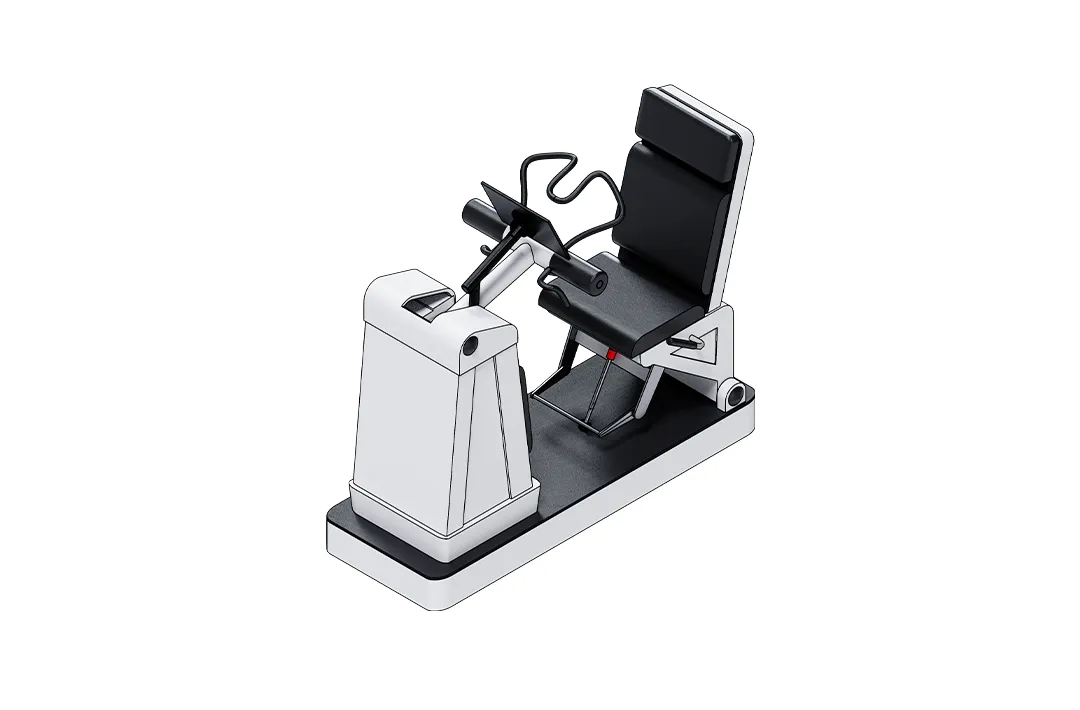
Mesure de la force for Bone Density Training

In strength and rehabilitation training, precise data is captured to measure and quantify performance while helping professionals guide performance goals. Designed to directly measure isometric muscle force, a small form factor button load cell is installed into the frame of the bone density system to provide real-time accurate force readings without affecting the main functions and movements of the machine.
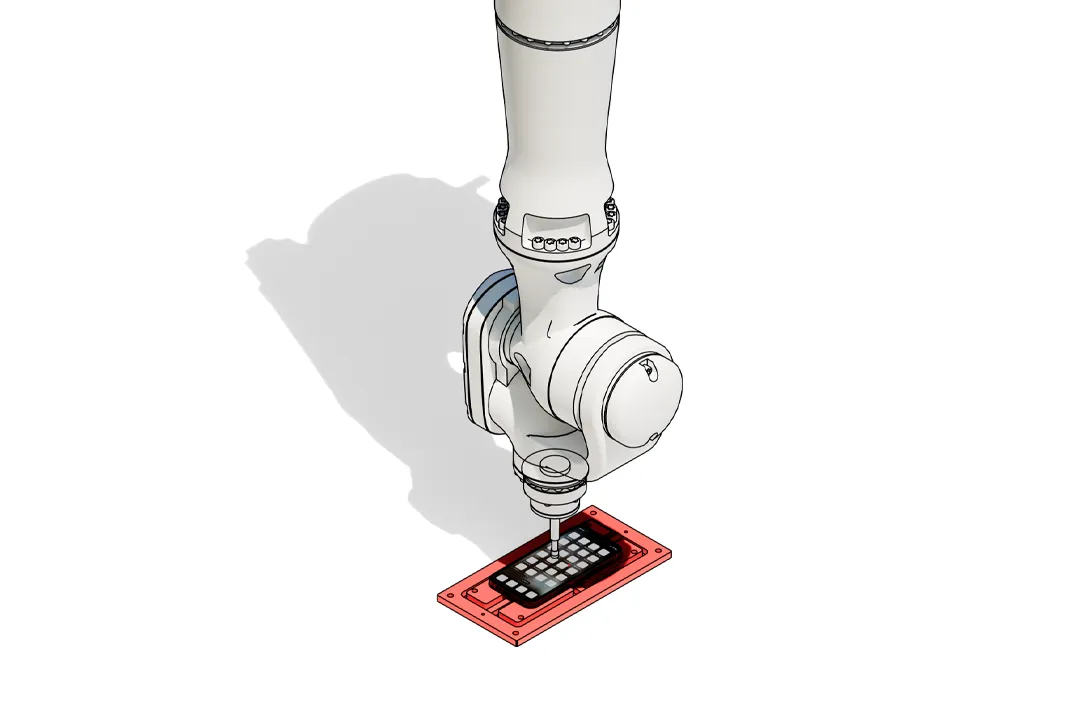
Écran tactile Haptique Capteur de force

Avec la généralisation des smartphones et des smartwatches et le développement rapide des technologies d'affichage, la qualité des écrans LCD des smartphones est devenue une préoccupation majeure pour les consommateurs. Le processus de fabrication des écrans LCD est complexe et précis, ce qui les rend sujets à divers défauts tels que des points brillants, des points sombres, des écarts de couleur et des fuites de lumière. Ces défauts nuisent gravement à la qualité d'affichage des produits.
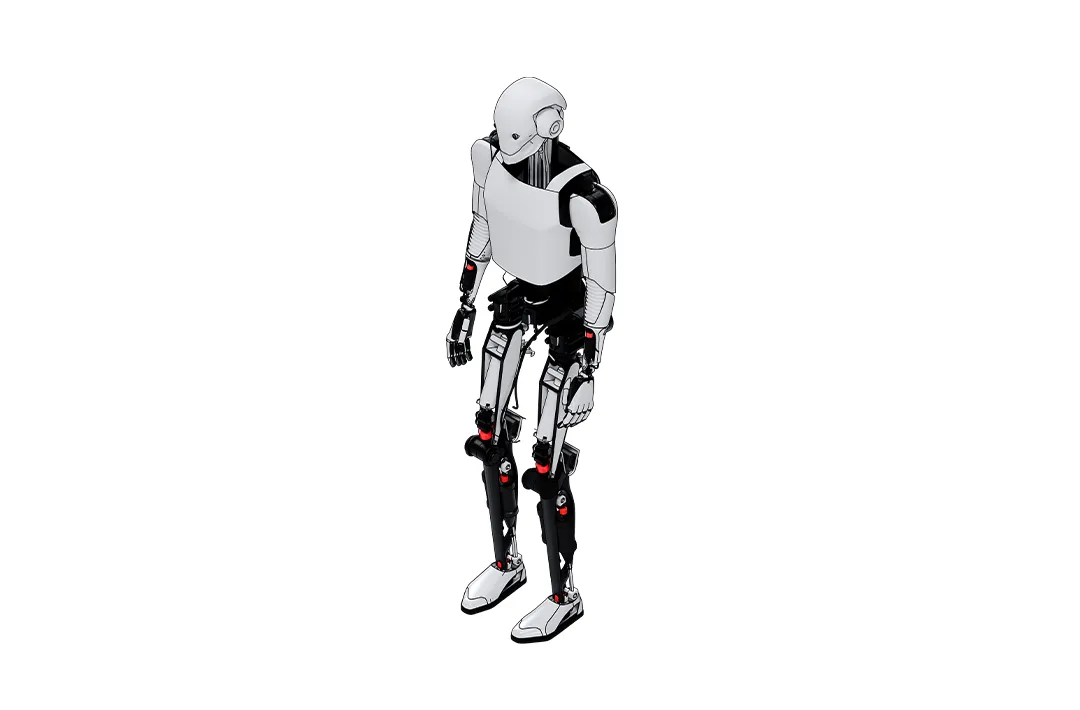
Humanoid Robotic Joint Cellules de charge

A robotics team set out to improve how humanoid robots control force and interact safely with people. To achieve this, they focused on better understanding axial forces within linear motors used as joints. ANYLOAD’s 247BSWM load button was well-suited to this application, integrating directly at the end of the joint drive or within the lead screw.

Défiler vers le haut