



Rocket Engine Thrust Force Measurement
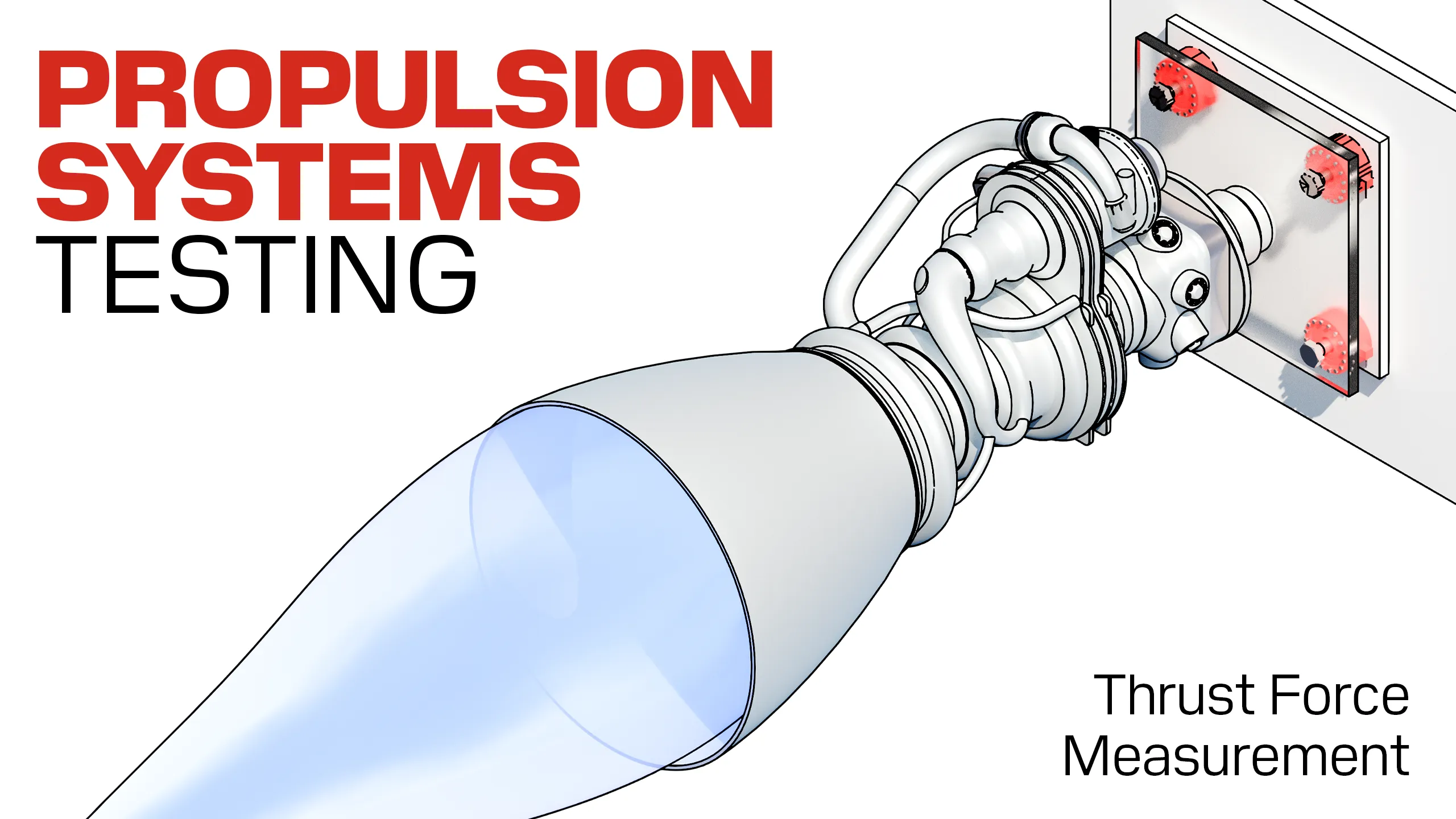
Axial Force Testing for Propulsion Systems
A facility developing liquid-propellant rocket engines needed a reliable way to measure thrust during static fire tests. These tests involve extreme conditions, including intense exhaust heat and strong vibrations, that complicate force measurement. Accurate force measurement under changing conditions is critical for engine validation, combustion stability analysis, and mission modelling.
Défi
- Thermal Drift Across Extreme Temperatures: Exposure to intense exhaust heat makes stable measurements difficult.
- High-Frequency Dynamic Loading: Thrust changes rapidly during engine start‑up and shutdown. Capturing these rapid changes accurately is difficult, especially in a high‑vibration environment.
- Bidirectional Force Requirements: This application requires the measurement system to handle high compression forces from engine thrust. It must also handle tension forces during pre-test calibration. Designing for accurate performance in both directions adds complexity to the setup.
Solution
- Temperature Performance Validation: Known deadweight loads were applied at rated temperature extremes in a controlled lab environment. This testing validated load cell performance under real conditions. TC Span and TC Zero were then adjusted using the collected data to improve measurement accuracy and reliability across all operating conditions.
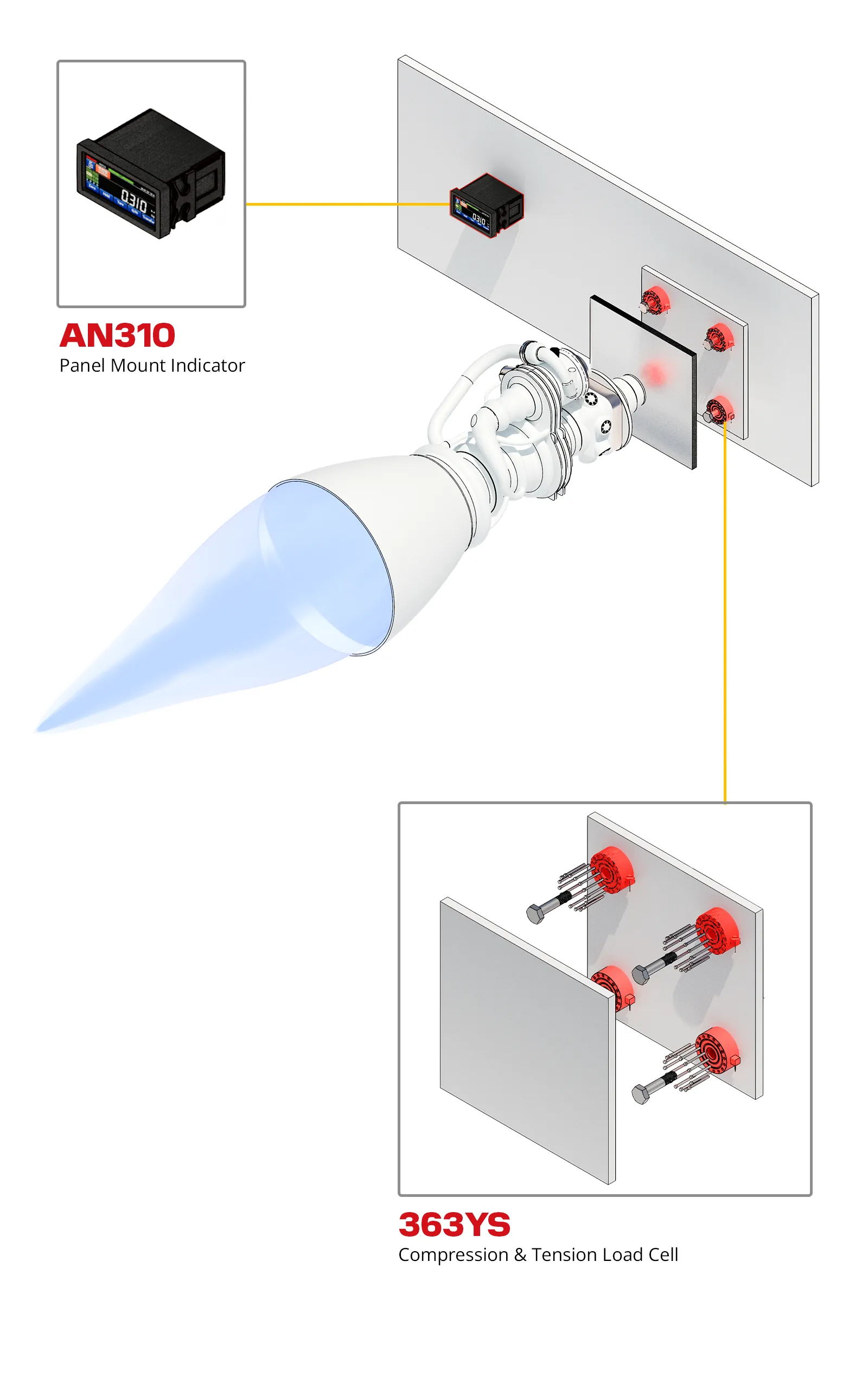
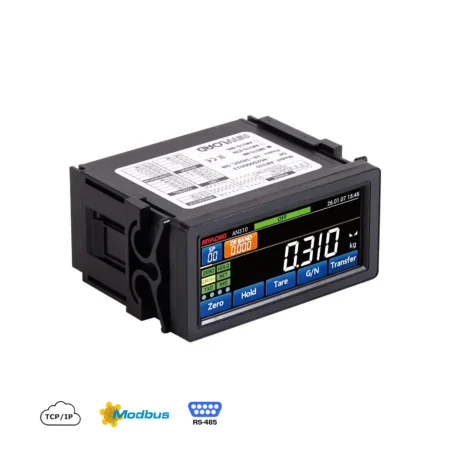
- High-Frequency Data Acquisition: The AN310 indicator was configured for high-speed sampling to capture thrust during the critical ignition and shutdown phases. This allows accurate measurement while filtering out noise from the high-vibration environment.
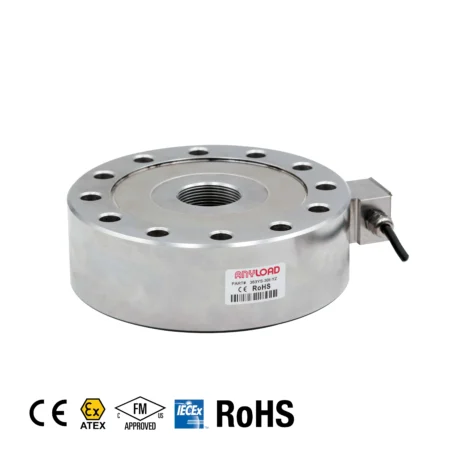
- Bidirectional Structural Integrity: The 363YS is designed to handle both the high compression forces generated by engine thrust and the tension forces required during pre-test calibration. This ensures stable and accurate performance in both loading conditions.
Conclusion
The ANYLOAD 363YS et AN310 system delivered measurable improvements across all critical performance areas. The facility achieved a thrust measurement accuracy of ±0.05%, which enabled more precise fuel-to-oxidizer ratio tuning. Reduced thermal drift ensured stable output in high-heat conditions, improving repeatability and reducing the need for frequent recalibration. High-resolution data captured during critical test phases provided deeper insight into engine performance and streamlined the validation process. Overall, higher fidelity ground test data reduced uncertainty in projected flight conditions and helped lower launch risk.
Mots-clés :
Static Fire Testing, Rocket Engine Thrust, Peak Force Capture, High Temperature.
Produits vedettes
CUSTOM 363YS
Compression & Tension Load Cell
Voir la version standard.
AN310
Indicateur à monter sur panneau
See Product.
Explorer les études de cas

Humanoid Robotic Joint Cellules de charge
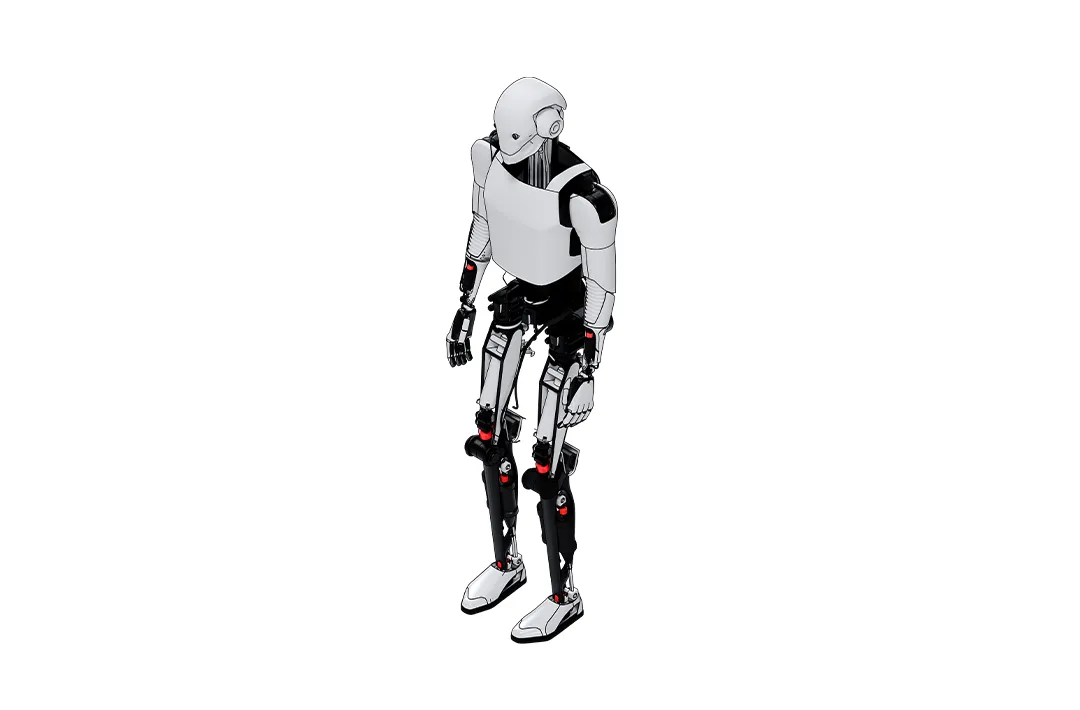
A robotics team set out to improve how humanoid robots control force and interact safely with people. To achieve this, they focused on better understanding axial forces within linear motors used as joints. ANYLOAD’s 247BSWM load button was well-suited to this application, integrating directly at the end of the joint drive or within the lead screw.
Mesure de la force for Bone Density Training
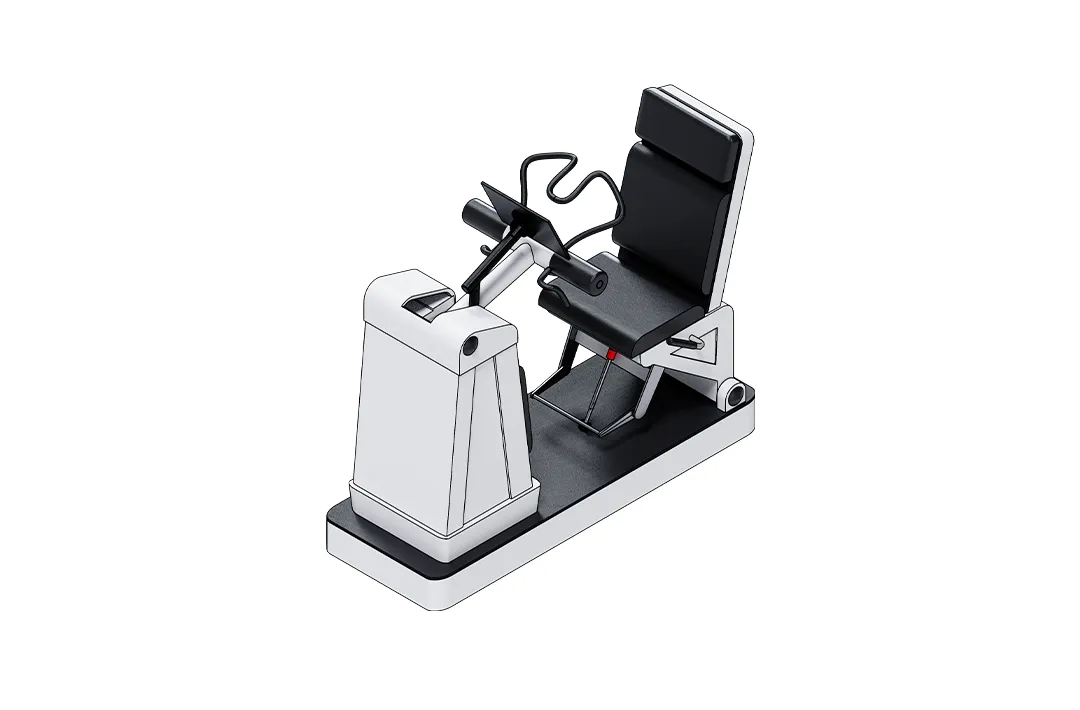
In strength and rehabilitation training, precise data is captured to measure and quantify performance while helping professionals guide performance goals. Designed to directly measure isometric muscle force, a small form factor button load cell is installed into the frame of the bone density system to provide real-time accurate force readings without affecting the main functions and movements of the machine.
Tunnel Support & Anchor Monitoring Cellules de charge
A civil engineering firm wanted to better understand load behaviour within tunnel support systems. To achieve this, they implemented real-time monitoring of the forces acting on tunnel linings and support systems (rock bolts, tiebacks, etc.).