
Système de pesage pour aéronefs à profil bas

Measurement of Airplane Weight and Balance

The subject of this study is a leading aerospace maintenance and flight operations facility. They manage a diverse fleet of aircrafts and are responsible for critical safety inspections, including periodic weight and balance verification to ensure flight stability and structural integrity.

Défi

  1. Operational Bottlenecks: Traditional weighing methods created significant inefficiencies in the facility’s workflow, slowing down operations and increasing aircraft downtime.
  2. Labor-Intensive Process: The existing system required high-capacity hydraulic jacks to lift the aircraft onto load cells, making the weighing procedure time-consuming and physically demanding.
  3. Limited Portability: The weighing equipment was difficult to transport for off-site or on-ramp operations, reducing flexibility for field applications.

Solution

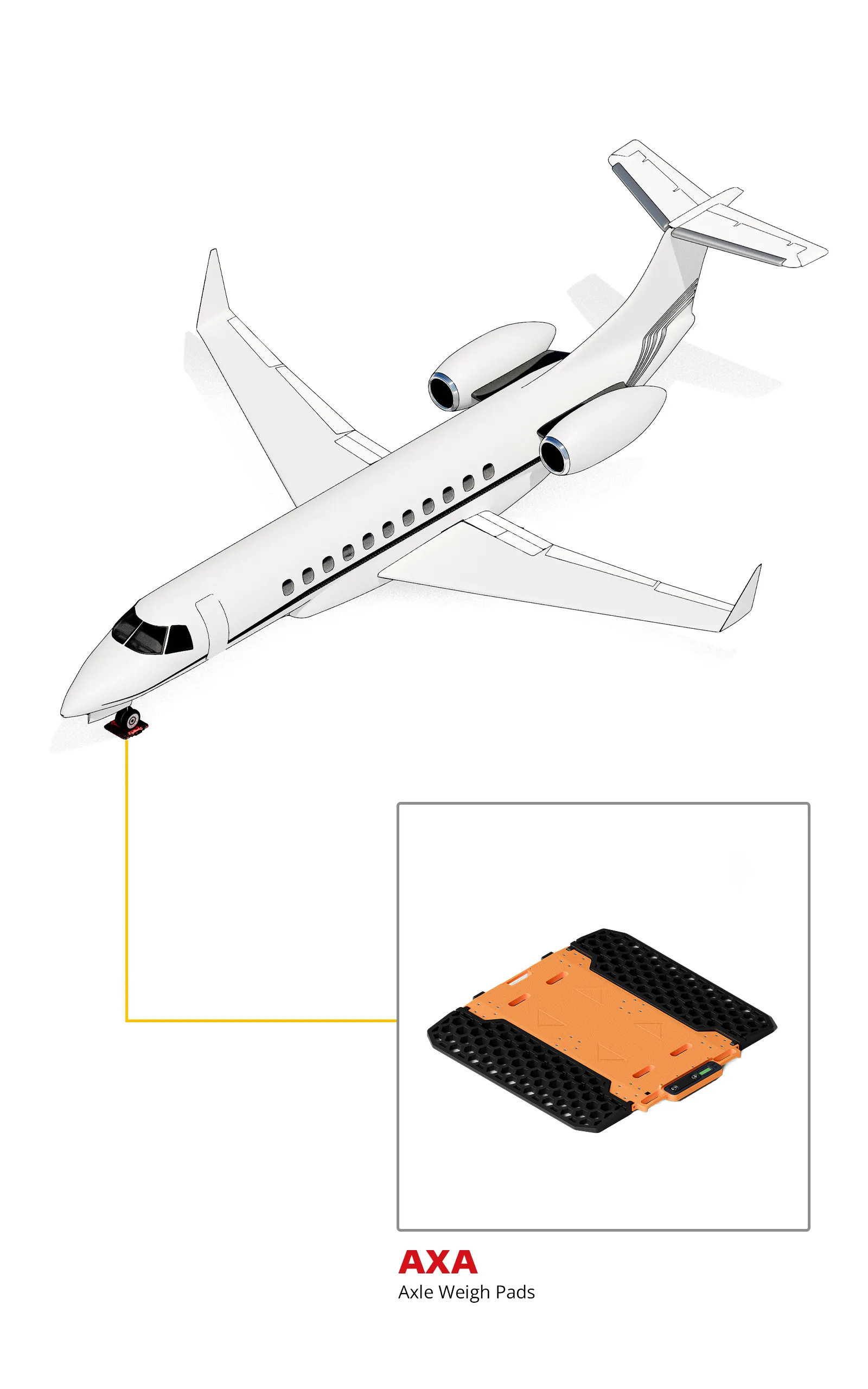
  1. Streamlined Workflow: The ANYLOAD AXA Axle Weigh Pads allowed the aircraft to be towed directly onto the weighing platforms, significantly reducing setup time and minimizing operational disruptions.
  2. Drive-On Design: With an ultra-low-profile height of only 33 mm, the AXA pads feature a drive-on design that removed the need for high-capacity hydraulic jacks, simplifying the weighing process and reducing labor demands.
  3. Portable Field Deployment: The lightweight and portable design enabled efficient transport and deployment for both hangar and on-ramp weighing operations, increasing flexibility for field applications.

Conclusion

The shift to the Tampons de pesée pour essieux AXA resulted in measurable improvements in operational efficiency. The weighing process time was reduced by over 50%, allowing for more frequent safety checks without disrupting flight schedules. Safety was also significantly enhanced, as the elimination of high-lift jacking and the lightweight design of the AXA pads reduced the risk of workplace accidents and potential airframe damage. In addition, the system’s portability enabled accurate weighing across a wide range of environments, including remote airfields and varying climatic conditions.

AL-Low-Profile-Aircraft

Mots-clés :
Aviation Maintenance, Center of Gravity (CG) Verification, Portable Weighing, Low-Profile Sensors

Produits vedettes

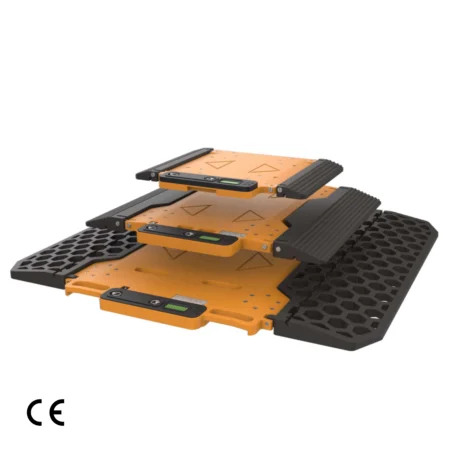
AXA
Tampons de pesée d'essieu
Voir la version standard.

  • Up to 600 hours of continuous use per charge
  • Compact and portable-ideal for mobile weighing applications
  • Replaceable & rechargeable standard 18650 li-ion battery with long operating life
  • IP68-rated aluminum body, hammer-tone powder coating
  • Wired, screen-less, and integrated battery options available upon request

AN560
Indicateur de pesage d'essieu
Voir la version standard.

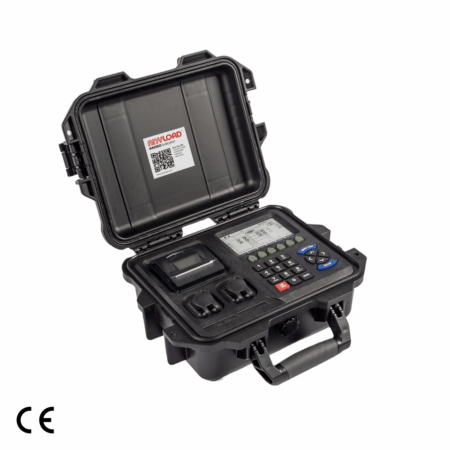
  • Batterie rechargeable longue durée (~600 heures de fonctionnement continu par charge)
  • Écran E-ink 4,2″ à fort contraste avec éclairage frontal LED pour une excellente visibilité dans toutes les conditions d'éclairage
  • Connexion sans fil à un maximum de 8 plaques d'essieu ou balances simultanément
  • Clavier en silicone durable pour une utilisation prolongée sur le terrain et un retour d'information tactile
  • Port USB-A pour la sauvegarde des données sur des clés USB
  • Port USB-C pour la recharge et la communication COM virtuelle
  • Imprimante de tickets intégrée avec formatage configurable
  • Boîtier IP-67 pour les conditions difficiles
  • Conception compacte et portable (seulement 6 Ib / 2,7 kg)

Explorer les études de cas

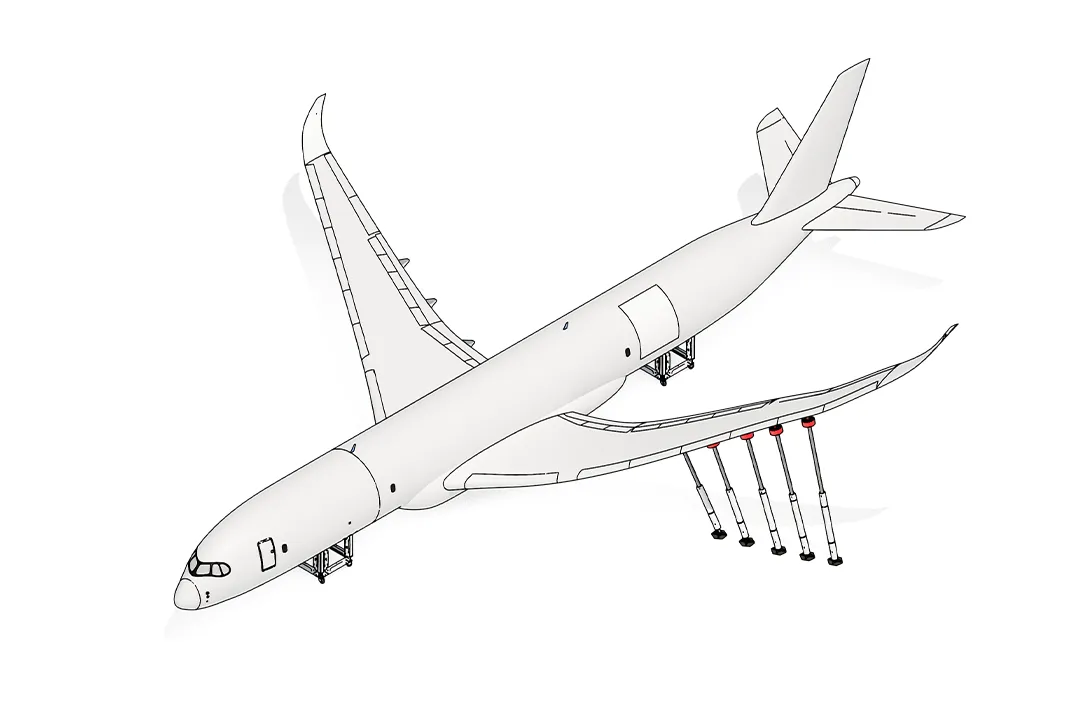
Aerospace-Grade Load Cells Wing Fatigue Testing

Aircraft wings serve as major load-bearing structures. Their fatigue life, structural integrity, and safety margin directly determine the long‑term safety and service life of the aircraft. During wing fatigue testing and certification, accurate force measurement is essential.
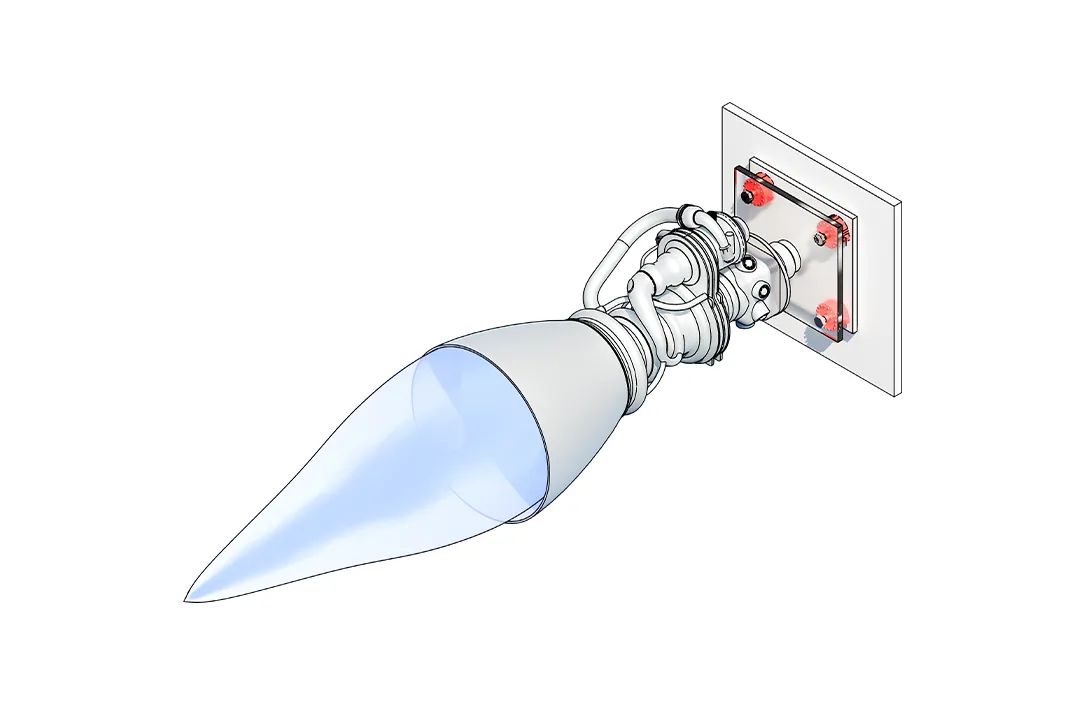
Rocket Engine Thrust Mesure de la force

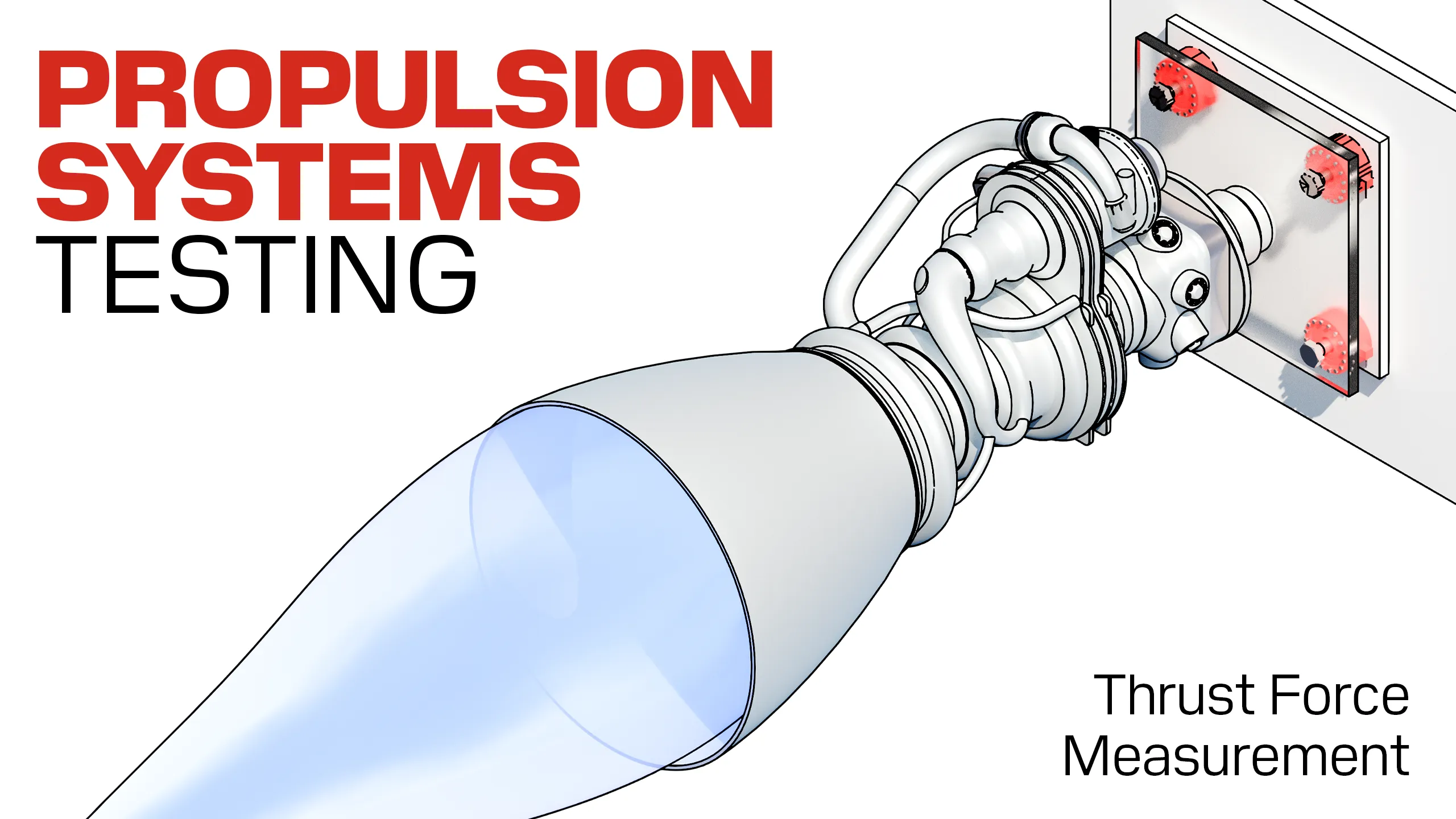
A facility developing liquid-propellant rocket engines needed a reliable way to measure thrust during static fire tests. These tests involve extreme conditions, including intense exhaust heat and strong vibrations, that complicate force measurement. Accurate force measurement under changing conditions is critical for engine validation, combustion stability analysis, and mission modelling.
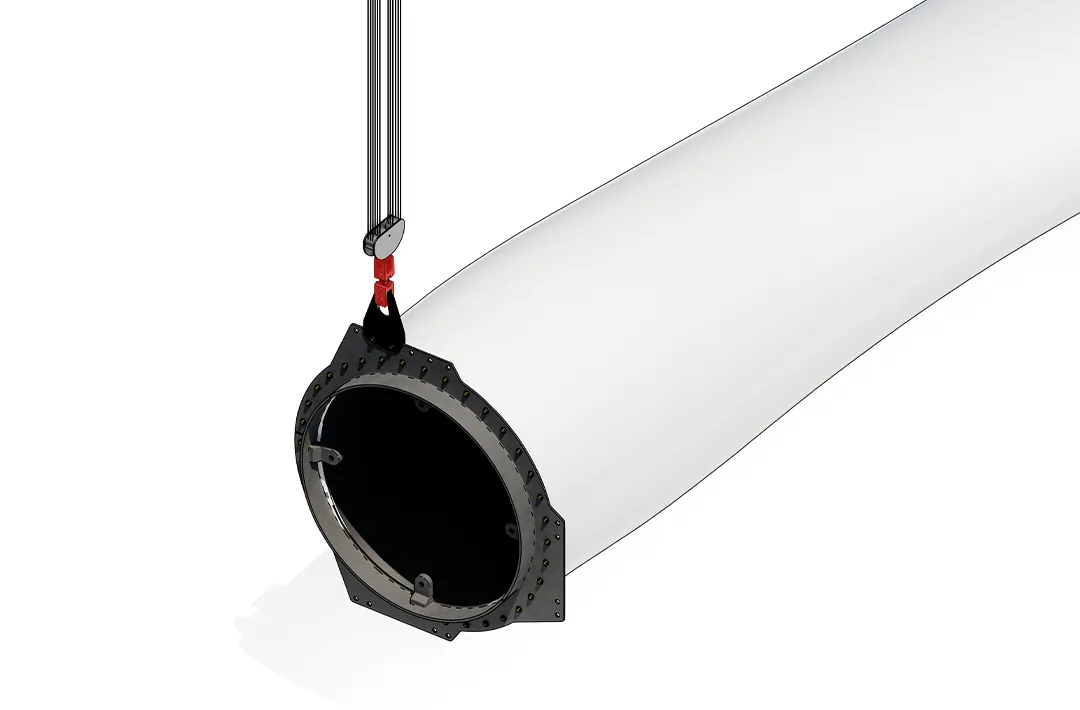
Pales d'éoliennes Pesée

ANYLOAD applied industry-leading tension link technology to develop a critical system for ensuring consistency in wind turbine blade manufacturing. Wind turbine blades must be precisely balanced in weight and centre of gravity to minimize weight imbalances that can significantly shorten the expected service lifespan of wind turbines. Imbalanced blades can exert uneven forces on the rotor hub, leading to misalignment and material fatigue failures in the gear box and other turbine components.

Défiler vers le haut