
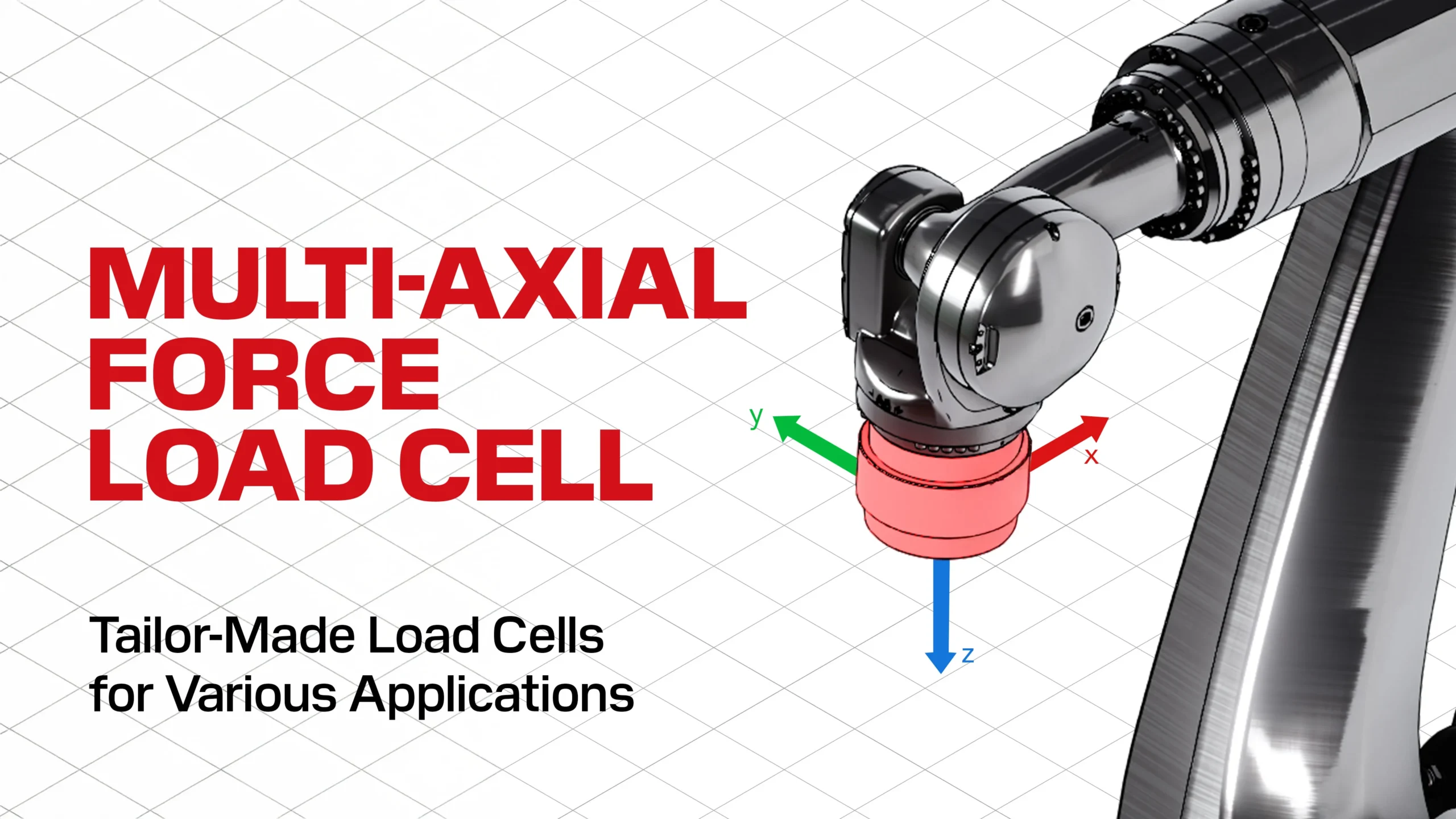
Sensor de fuerza multiaxial para automatización robótica
Optimizing Robotic Sensors for Precision and Durability
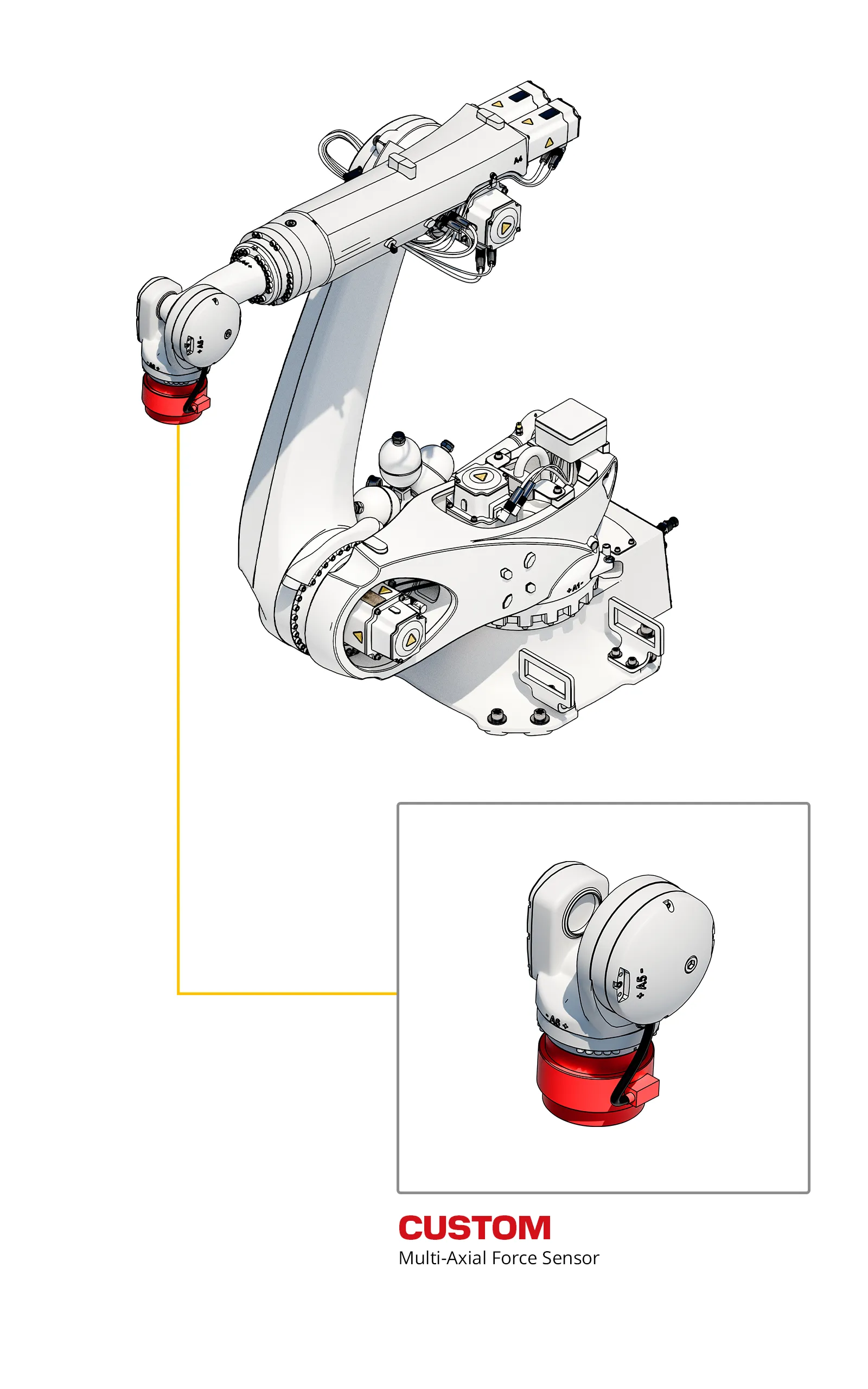
Robotic arms are programmable automated devices widely used in industrial production, medical surgeries, agriculture, and other fields. In industrial production, robotic arms perform repetitive tasks such as welding, painting, assembly, and material handling with precision, improving efficiency and reducing labor costs. In agriculture, robotic arms are used in precision farming for tasks like seeding, fertilizing, and harvesting, executing operations efficiently as per pre-set programs.
With ongoing technological advancements, robotic arms are becoming increasingly intelligent. By equipping them with multi-axis sensors, robotic arms gain mechanical sensing capabilities, enabling precise force control and enhancing efficiency and safety.
Desafío
Despite the promising applications of robotic arms across various industries, their sensors face multiple challenges in design, production, and application:
- Accuracy and Stability: The effective operation of robotic arms relies on high-precision sensors. However, in complex working environments, especially with multiple motors in robotic arms, sensors are prone to interference, leading to inaccurate readings.
- Environmental Adaptability: In diverse working environments such as high temperatures, humidity, or dusty conditions, sensor performance can be compromised, affecting the normal functioning of robotic arms.
- Integration Complexity: Since robotic arms need to measure forces across at least two to six dimensions, multiple Wheatstone bridges are required in sensor design. Additionally, the influence of cross-axis coupling must be considered.
Solución
To address these challenges, ANYLOAD engineers have conducted simulations and testing to propose several solutions:
- Enhancing Sensor Accuracy and Anti-Interference Capability: By improving sensor designs, adding shielding features, and optimizing signal transmission cables, interference resistance and accuracy can be significantly improved.
- Developing Environmentally Resilient Sensors: The sensor design incorporates multiple layers of sealing, each with distinct sealing functions, making sensors highly resilient to environmental factors.
- Modular Design: Modular designs for different multi-dimensional force sensors allow for easier production and testing. Integrated modular designs improve production efficiency and quality.
Conclusión
Robotic arms hold immense potential across various industries, with sensors being the key to their efficiency and precision. ANYLOAD’s innovative sensor designs enhance sensor performance and adaptability. The internal modular design approach significantly improves structural design, production, and quality.
We also offer customized design, production, and mass manufacturing services tailored to different robotic arm application scenarios.
Palabras clave:
Multi-axis sensor, robotics sensor, multi-axis, force transducer
Productos destacados
563FS3A
Sensor multieje
Véase la versión estándar.
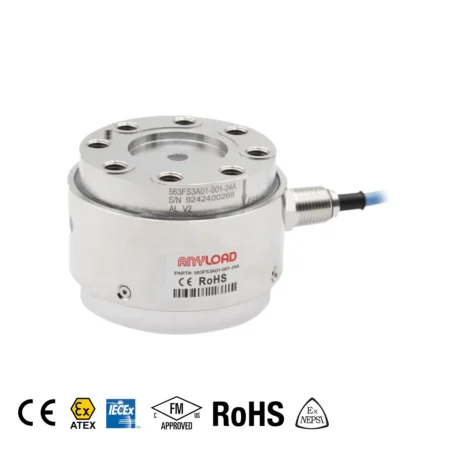
The ANYLOAD 563FS3A is a compact stainless steel tri-axial force sensor designed to simultaneously measure forces in three orthogonal directions — Fx, Fy, and Fz — within a single low-profile load button housing. Constructed from 17-4PH stainless steel, the 563FS3A is built for demanding industrial force measurement applications where multi-axis load data is required in a confined installation envelope. The sensor carries a rated capacity of 40kN and delivers reliable, repeatable performance with less than ±1.0% non-linearity, hysteresis, and repeatability across all three axes.

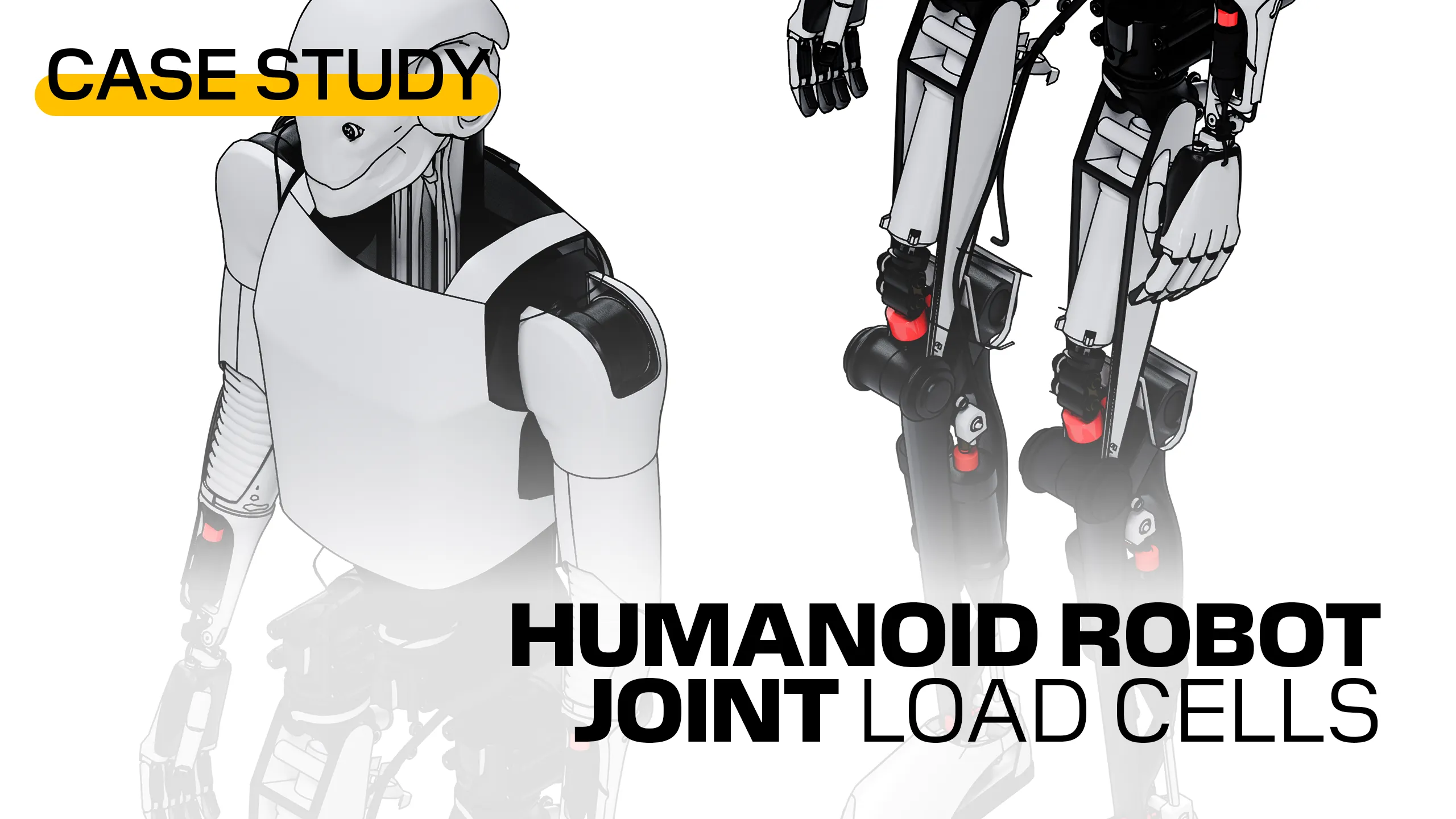
Humanoid Robotic Joint Células de carga
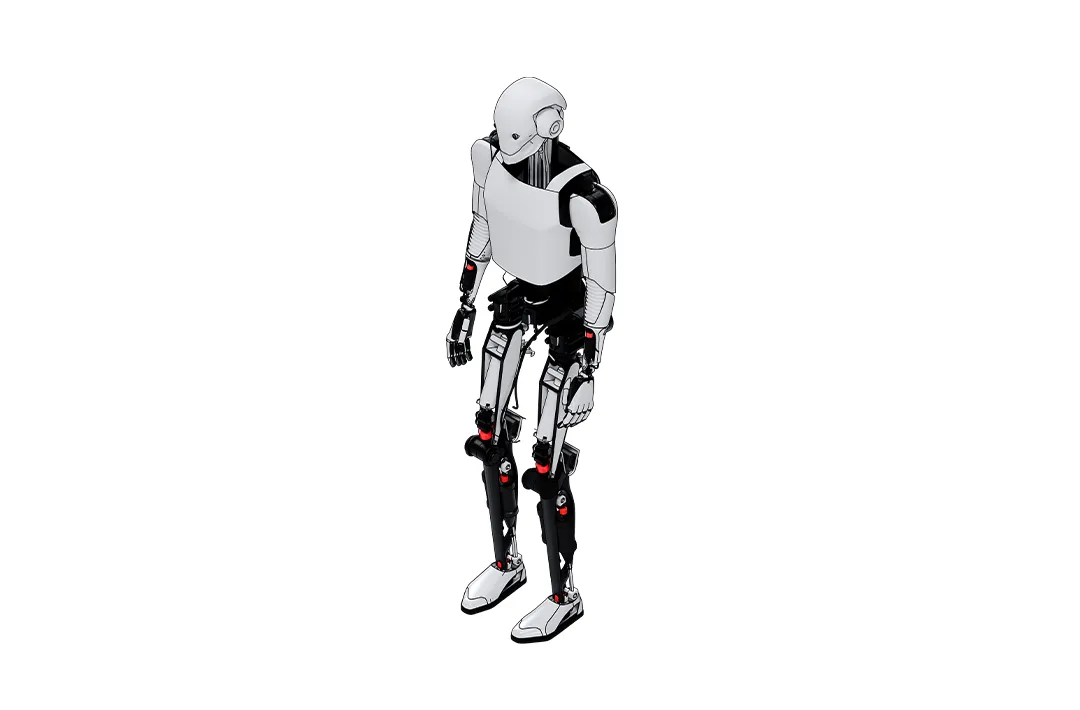
A robotics team set out to improve how humanoid robots control force and interact safely with people. To achieve this, they focused on better understanding axial forces within linear motors used as joints. ANYLOAD’s 247BSWM load button was well-suited to this application, integrating directly at the end of the joint drive or within the lead screw. It measures axial force in real-time, improving control response and detecting collisions, sudden load changes, and assembly issues. This creates a closed-loop feedback system that enhances precision, adaptability, and overall safety during operation.
Medición de la fuerza for Bone Density Training
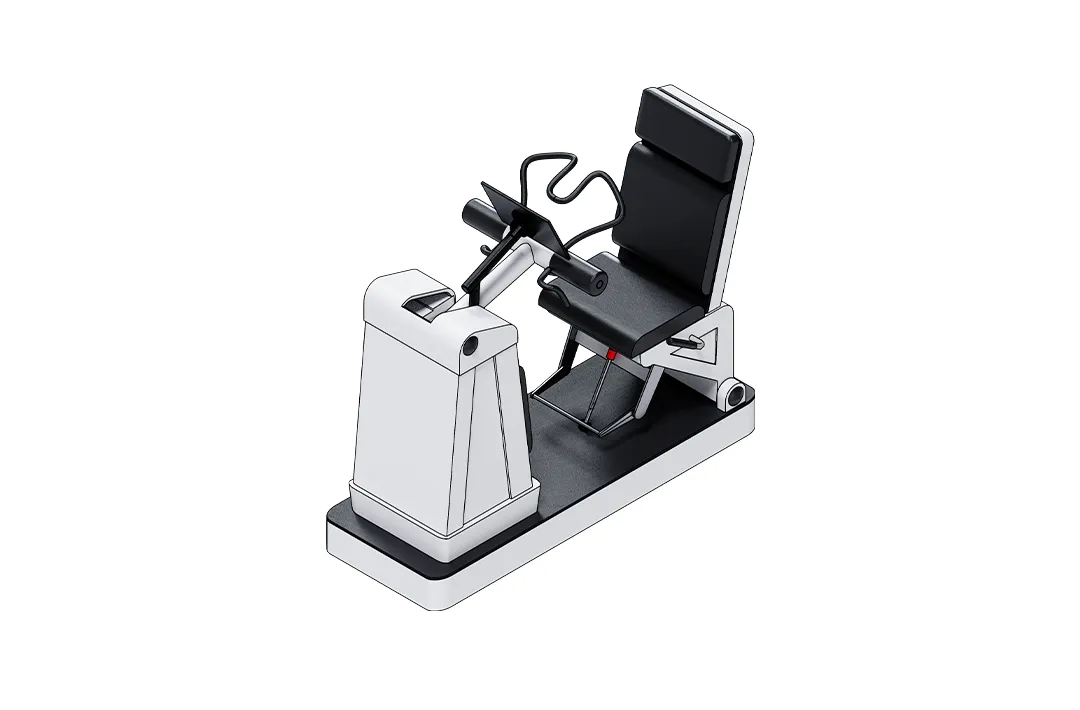
In strength and rehabilitation training, precise data is captured to measure and quantify performance while helping professionals guide performance goals. Designed to directly measure isometric muscle force, a small form factor button load cell is installed into the frame of the bone density system to provide real-time accurate force readings without affecting the main functions and movements of the machine.
Pantalla táctil Háptica Sensor de fuerza
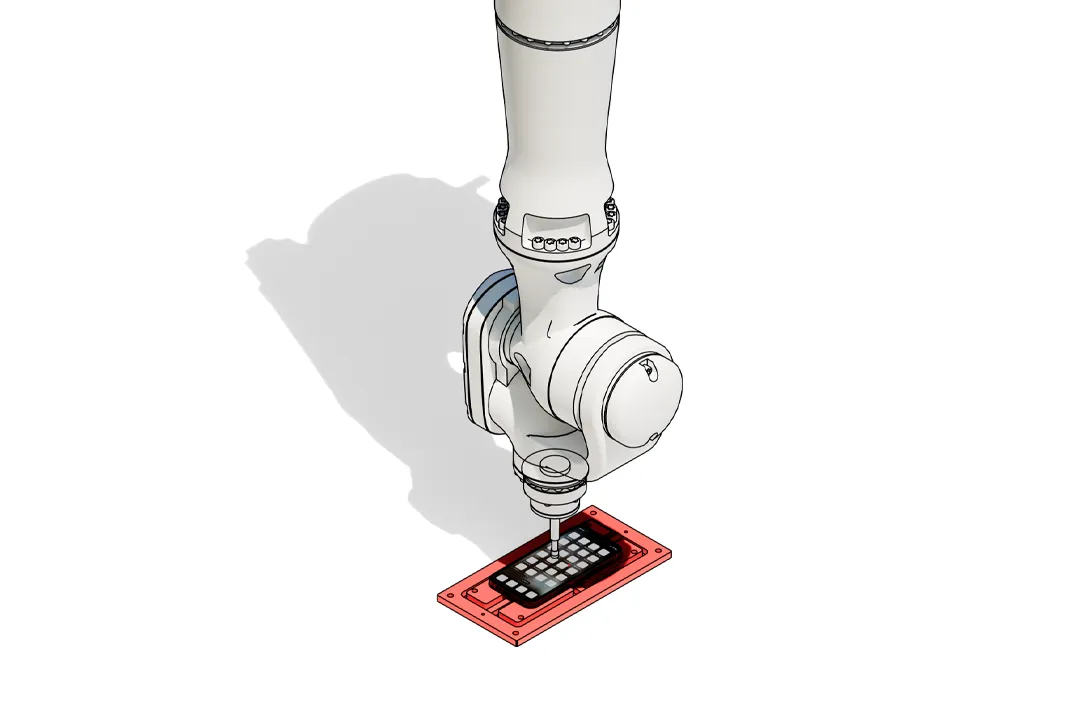
Con el uso generalizado de smartphones y smartwatches y el rápido desarrollo de la tecnología de visualización, la calidad de las pantallas LCD de los smartphones se ha convertido en una preocupación clave para los consumidores. El proceso de fabricación de las pantallas LCD es complejo y preciso, lo que las hace propensas a diversos defectos, como puntos brillantes, puntos oscuros, desviaciones de color y fugas de luz. Estos defectos afectan gravemente a la calidad de visualización del producto.