







MRI Patient Table Load Measurement

Low-Magnetic Load Cells for MRI Patient Positioning Systems

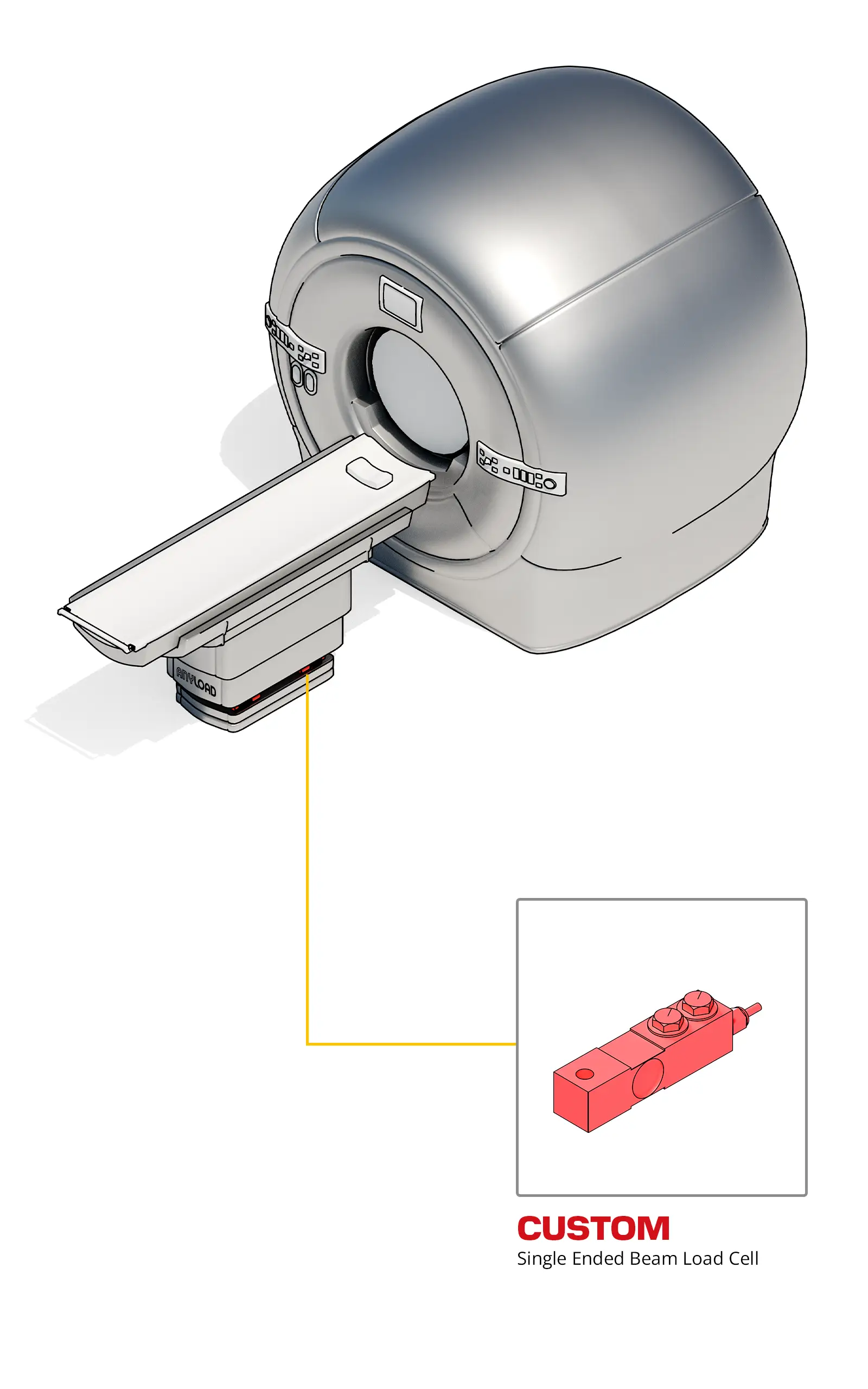
Magnetic resonance imaging systems use motorized patient tables to position patients accurately within a powerful static magnetic field. Integrated load measurement can provide patient weight, detect excessive table loading, and monitor load distribution before and during table movement.

Unlike conventional medical weighing equipment, sensors installed within the MRI environment must also be designed around magnetic compatibility. Ferromagnetic components can experience force or torque in the magnetic field and may interfere with image quality or equipment operation.

Défi

  1. Low-Magnetic Construction: Conventional load cells may contain alloy steel, magnetic stainless grades, fasteners, connectors, or other components unsuitable near an MRI magnet.
  2. High and Off-Center Patient Loads: Patient weight and accessories create changing loads as the tabletop extends into the scanner bore. The system must accommodate both total load and uneven weight distribution.
  3. MRI Compatibility: Metallic components, cabling, and electronics must be evaluated for magnetic attraction, induced effects, image artifacts, and interaction with the scanner environment.
  4. Reliable Table Integration: Sensors must fit within a compact positioning system while maintaining stable calibration through repeated patient loading and table movement.

Solution

  1. Multi-Point Patient Table Weighing: Multiple beam load cells integrated at structural support points measure total table load while individual channels provide information about load distribution and off-center loading.
  2. Controlled Low-Magnetic Materials: Sensor construction can use carefully selected austenitic stainless steels, aluminum, titanium, and other low-permeability materials where appropriate. Ferromagnetic alloy steels, martensitic or ferritic stainless steels, conventional magnetic fasteners, and other unsuitable components are excluded from the sensor assembly.
  3. MR-Specific Validation: Finished sensor assemblies can be evaluated as part of the equipment manufacturer’s MR compatibility program for magnetically induced force and torque, image artifact, electrical effects, and other applicable requirements. FDA-recognized methods include ASTM F2052 for displacement force and ASTM F2213 for magnetically induced torque.
  4. Intégration OEM : Capacity, sensor geometry, cable routing, signal conditioning, overload protection, magnetic requirements, and calibration can be developed specifically around the MRI patient-table architecture and intended installation location.

Conclusion

MRI patient-table weighing requires both accurate load measurement and careful control of the sensor’s magnetic properties. A purpose-designed low-magnetic load-cell system can provide patient weight, overload detection, and load-distribution information while supporting the MRI manufacturer’s broader MR compatibility and safety requirements.

Mots-clés :
MRI Load Cell, Non-Magnetic Load Cell, Low Magnetic Load Cell, MRI Patient Table Sensor, MRI Compatible Force Sensor, MRI Patient Weighing, Medical Imaging Load Cell, MR Conditional Load Cell.

Produits vedettes

PERSONNALISÉ
Capteur de pesage à simple effet
Voir la version standard.

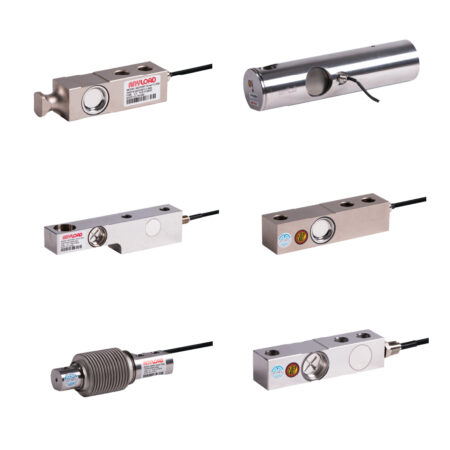
Les capteurs de pesage à faisceau unique personnalisés ANYLOAD sont conçus pour la précision et la durabilité, afin de répondre aux exigences spécifiques d'un large éventail d'applications de pesage. Ces capteurs sont particulièrement efficaces dans les plates-formes, les balances au sol et divers systèmes où les contraintes d'espace exigent une solution de pesage compacte mais robuste.
Ideal for both static and dynamic weighing, single-ended beam load cells from ANYLOAD are versatile enough for use in industrial environments such as small tank and hopper weighing, as well as in machinery for the construction and agricultural sectors. Their robust design ensures reliable performance even under harsh conditions, making them a preferred choice for applications that demand high durability
 

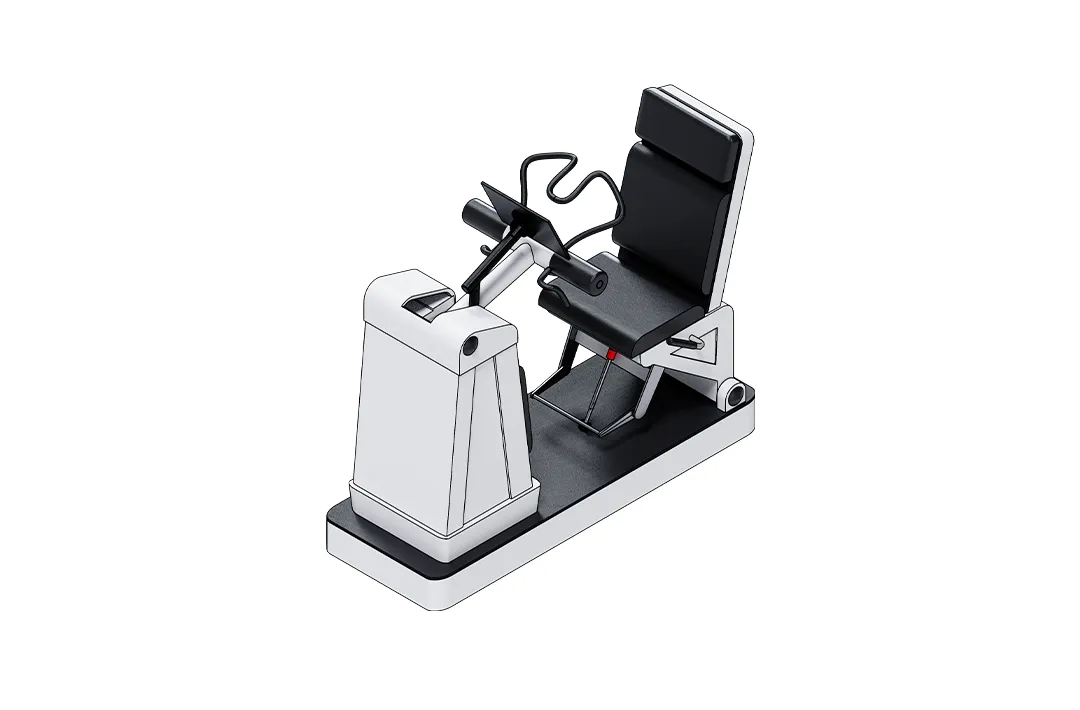
Mesure de la force for Bone Density Training

In strength and rehabilitation training, precise data is captured to measure and quantify performance while helping professionals guide performance goals. Designed to directly measure isometric muscle force, a small form factor button load cell is installed into the frame of the bone density system to provide real-time accurate force readings without affecting the main functions and movements of the machine.
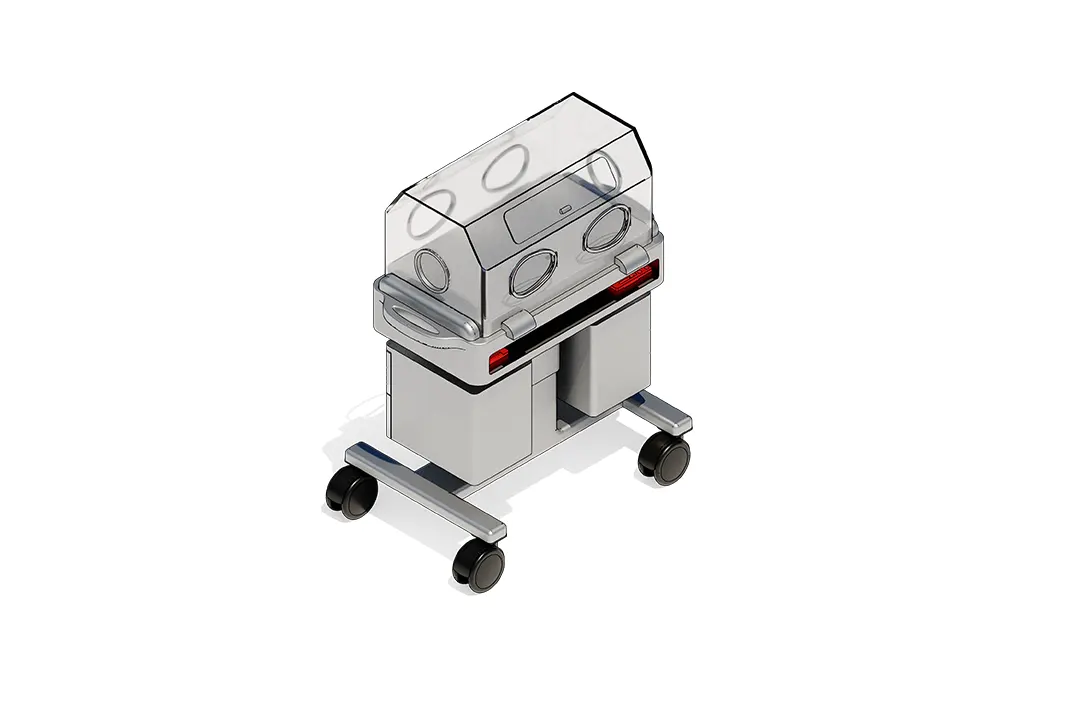
Neonatal Incubator Pesée

A neonatal incubator provides a controlled environment for premature and medically vulnerable newborns. Many incubators incorporate an infant weighing system beneath the mattress platform, allowing clinical staff to monitor weight and growth without transferring the infant to a separate scale. This reduces unnecessary handling and simplifies routine weighing around monitoring cables, tubing, and other connected equipment.
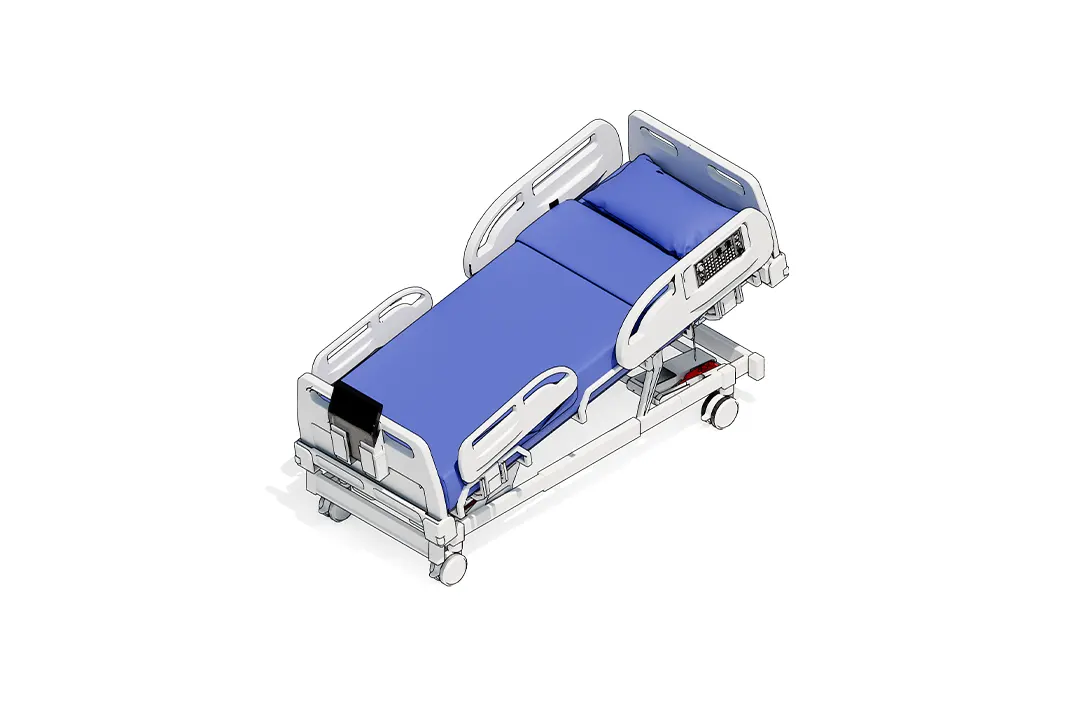
Hospital Bed Pesée

Hospital beds with integrated scales allow caregivers to weigh patients without transferring them to separate weighing equipment. This is particularly important in intensive care, recovery, and long-term care settings where movement may be difficult or clinically undesirable.

Défiler vers le haut