



Garbage Truck Bin Weighing

Dynamic Load Measurement for Waste Collection Vehicles

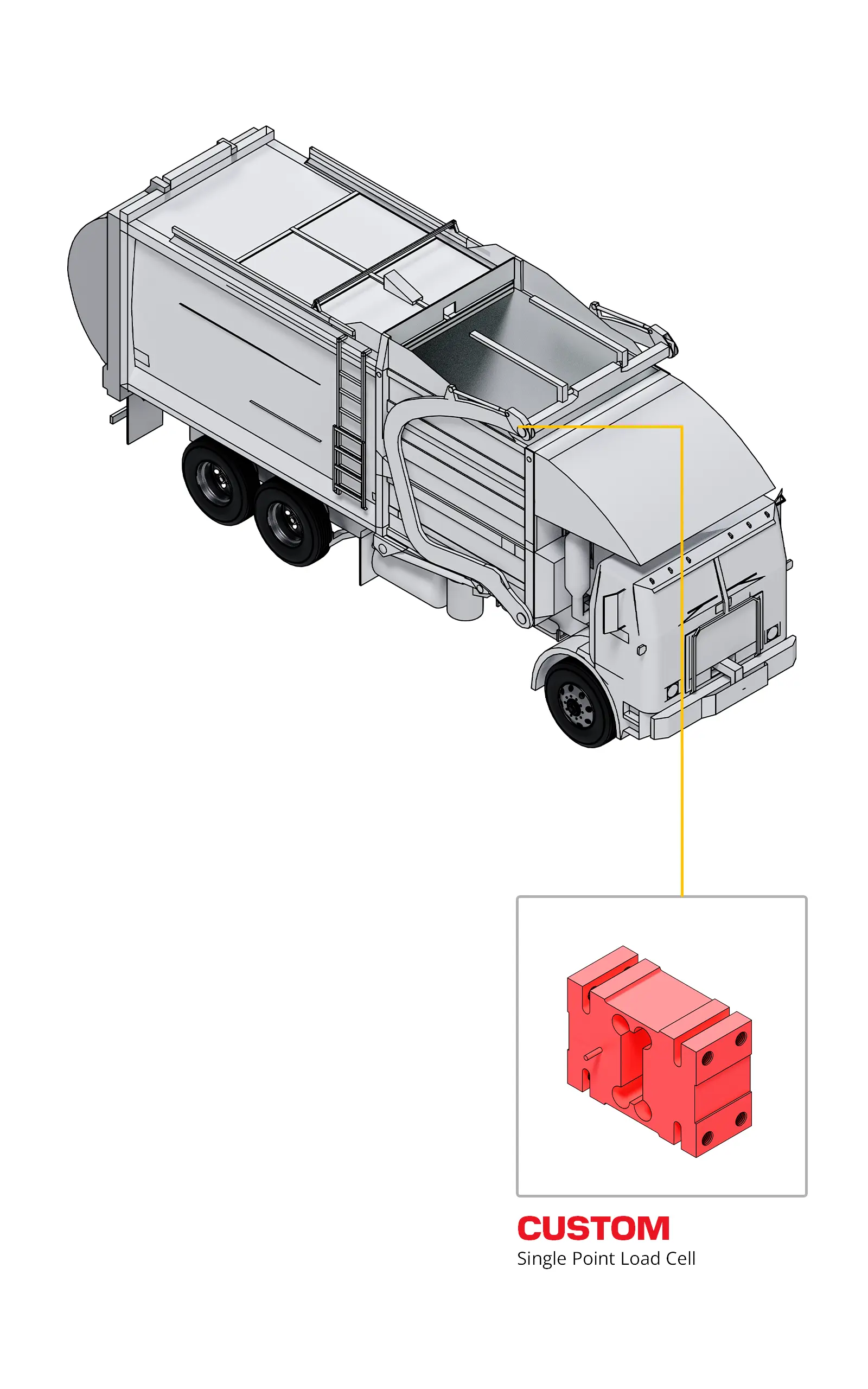
Modern refuse collection vehicles increasingly use onboard weighing to measure the contents of individual waste and recycling containers during collection. A load sensor integrated into the lifting arm allows each bin to be weighed as it is raised and emptied, providing weight data without adding a separate weighing step to the collection route.

Individual lift weights can support customer billing, commercial account analysis, route optimization, recycling and organics tracking, service verification, and material reporting. Accumulating each lift also provides a running indication of the total payload collected by the vehicle, helping operators manage truck capacity and avoid unnecessary trips or overloading.

Défi

  1. Dynamic Bin Weighing: Refuse trucks need to weigh containers while the lifting mechanism is moving. Acceleration, vibration, hydraulic motion, and material shifting inside the bin create dynamic forces that must be separated from the useful weight signal.
  2. Changing Arm Geometry: The direction and magnitude of forces through the lifting mechanism change as the arm raises, rotates, and empties the container. A sensor must provide a predictable measurement path despite the changing mechanical geometry.
  3. High Moment and Off-Center Loading: Bins are rarely loaded uniformly, and their center of gravity can shift considerably during pickup. The sensing element must tolerate bending moments and off-center loads while maintaining repeatable measurement performance.
  4. Severe Mobile Environment: Refuse equipment operates through thousands of repetitive lift cycles while exposed to impact, vibration, moisture, road salt, dirt, hydraulic contamination, and wide temperature changes.

Solution

  1. Stable Alternative to Instrumented Pins: Pivot pins in refuse arms can rotate and experience changing force directions throughout the lift cycle, complicating strain measurement and calibration. A fixed single-point sensor avoids dependence on pin rotational position and provides a more consistent relationship between applied container load and sensor output.
  2. Dynamic Weight Processing: The load cell measures the container during a defined portion of the lifting cycle when arm position and motion are suitable for weighing. Filtering and calibration allow the vehicle electronics to determine individual bin weight while the collection process continues without requiring the operator to stop and weigh each container.
  3. Economical OEM Integration: A large single-point beam can provide the required moment capacity and dynamic weighing performance using a relatively straightforward machined strain-gauge structure. Capacity, mounting interfaces, output, cabling, environmental protection, and calibration can be customized for integration into the refuse-body manufacturer’s lifting system.

Conclusion

Arm-mounted load sensing turns each refuse pickup into a measurable material transaction. Dynamic bin weighing allows waste collection fleets to record individual customer loads, calculate route totals, monitor vehicle payload, improve billing and account analysis, and generate better data on the waste, recycling, and organics being collected.

As disposal costs, diversion requirements, recycling programs, and material reporting become more important, accurate weight data gives waste operators greater visibility into both the physical material stream and the economics of each collection route.

Mots-clés :
Steering Wheel Torque Sensor, Steering Force Sensor, Multi-Axis Steering Sensor, CAN Bus Torque Sensor, Steering Column Load Cell, Force Feedback Steering, Steer-by-Wire Sensor, Control Yoke Force Sensor, Driver Input Torque Sensor, Vehicle Control Force Sensor

Produits vedettes

PERSONNALISÉ
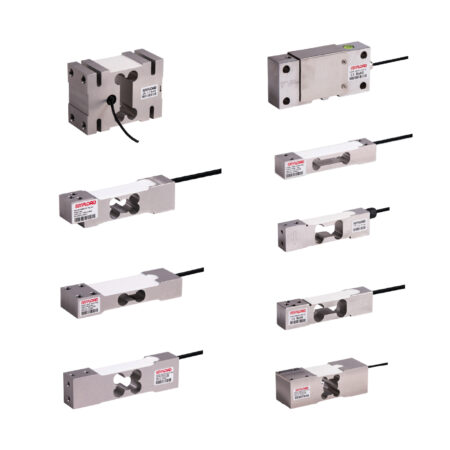
Cellule de charge à point unique
Voir la version standard.

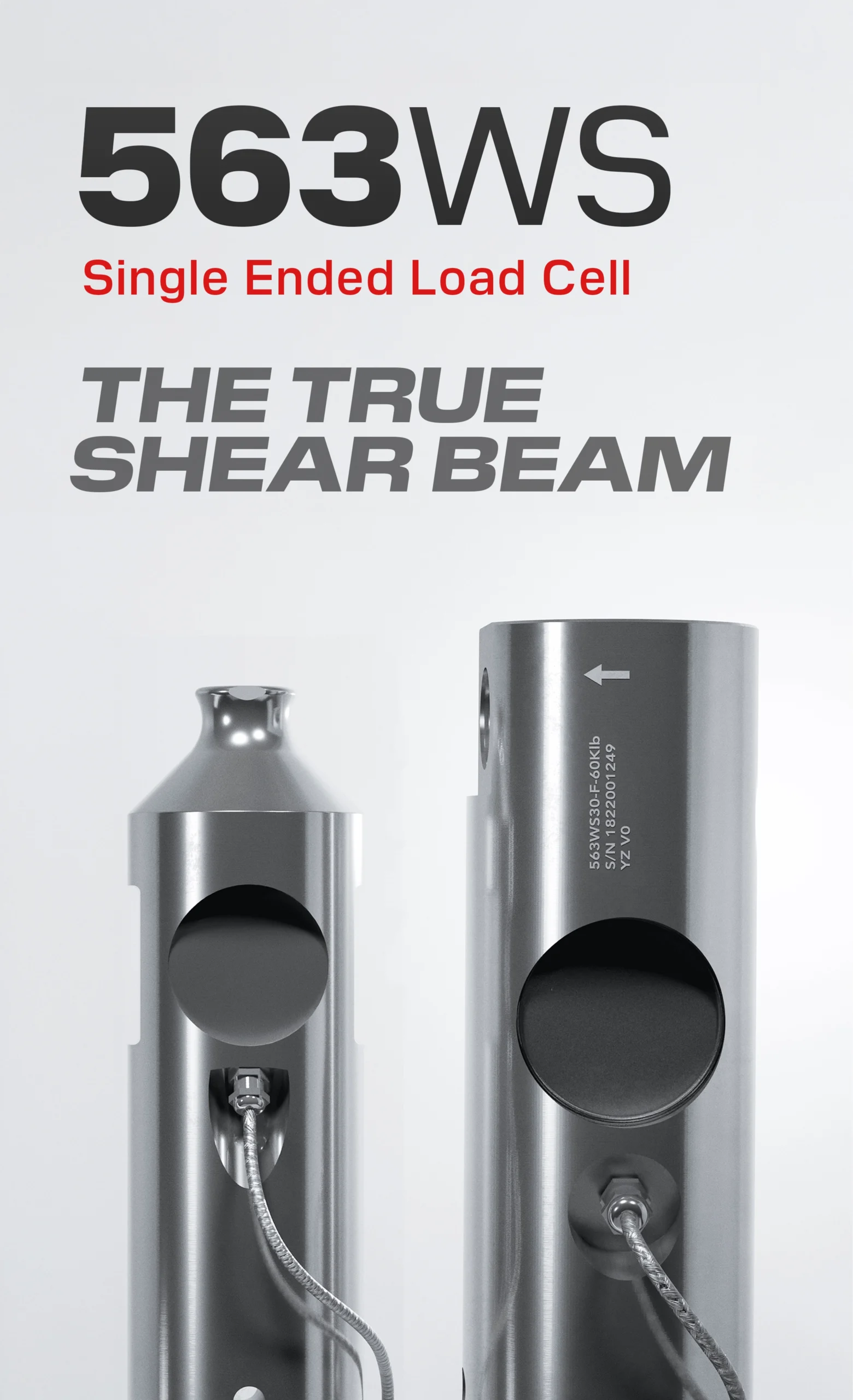
ANYLOAD develops large single-point load cells for refuse collection arms and other mobile lifting systems requiring dynamic weight measurement under substantial bending and off-center loading.

The single-point architecture provides a defined fixed end and live end, allowing the sensor to be incorporated into a controlled section of the lifting mechanism without relying on the rotational position of an instrumented pivot pin. The large sensing structure can be engineered for high moment capacity while maintaining sufficient strain sensitivity for accurate dynamic weighing.

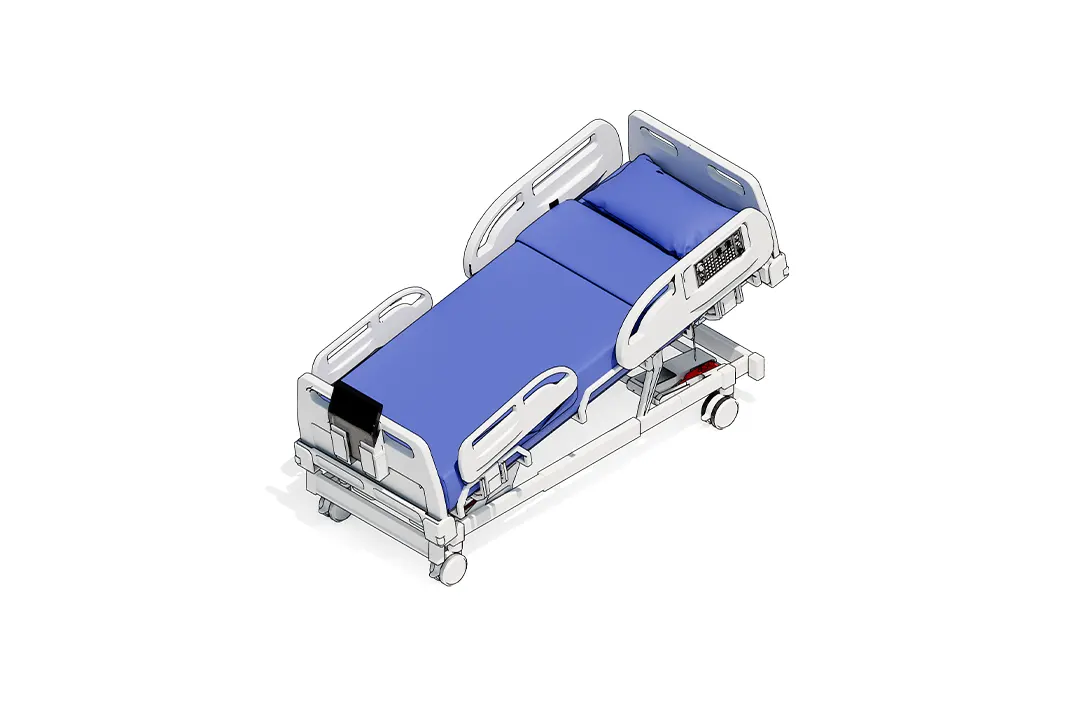
Hospital Bed Pesée

Hospital beds with integrated scales allow caregivers to weigh patients without transferring them to separate weighing equipment. This is particularly important in intensive care, recovery, and long-term care settings where movement may be difficult or clinically undesirable.
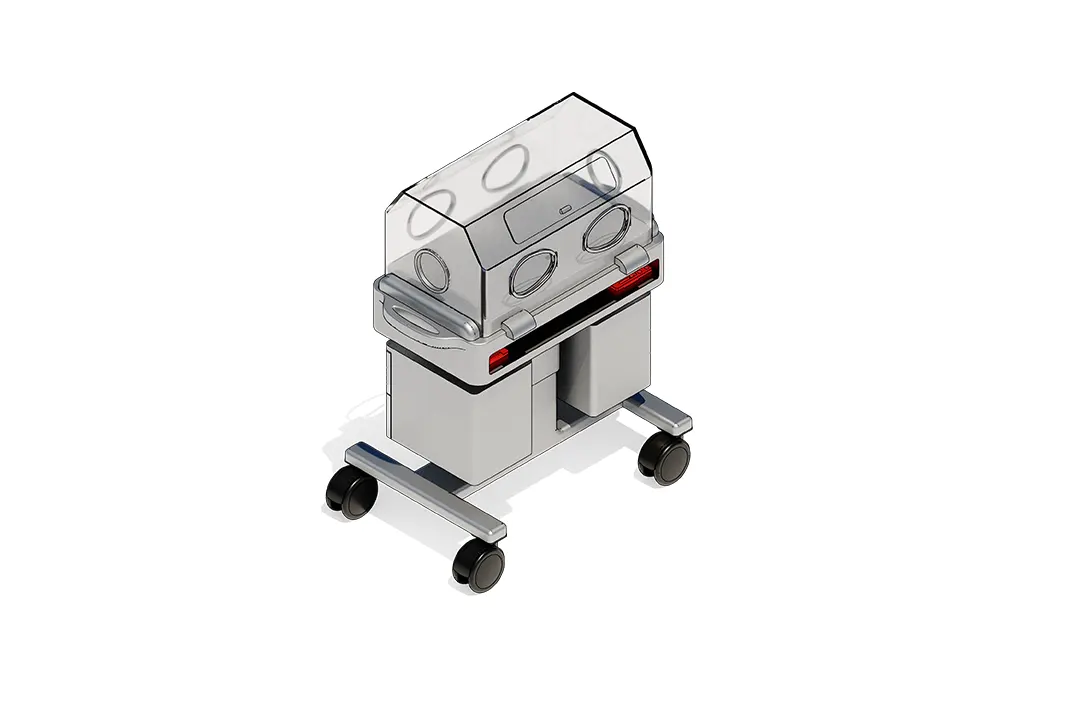
Neonatal Incubator Pesée

A neonatal incubator provides a controlled environment for premature and medically vulnerable newborns. Many incubators incorporate an infant weighing system beneath the mattress platform, allowing clinical staff to monitor weight and growth without transferring the infant to a separate scale. This reduces unnecessary handling and simplifies routine weighing around monitoring cables, tubing, and other connected equipment.
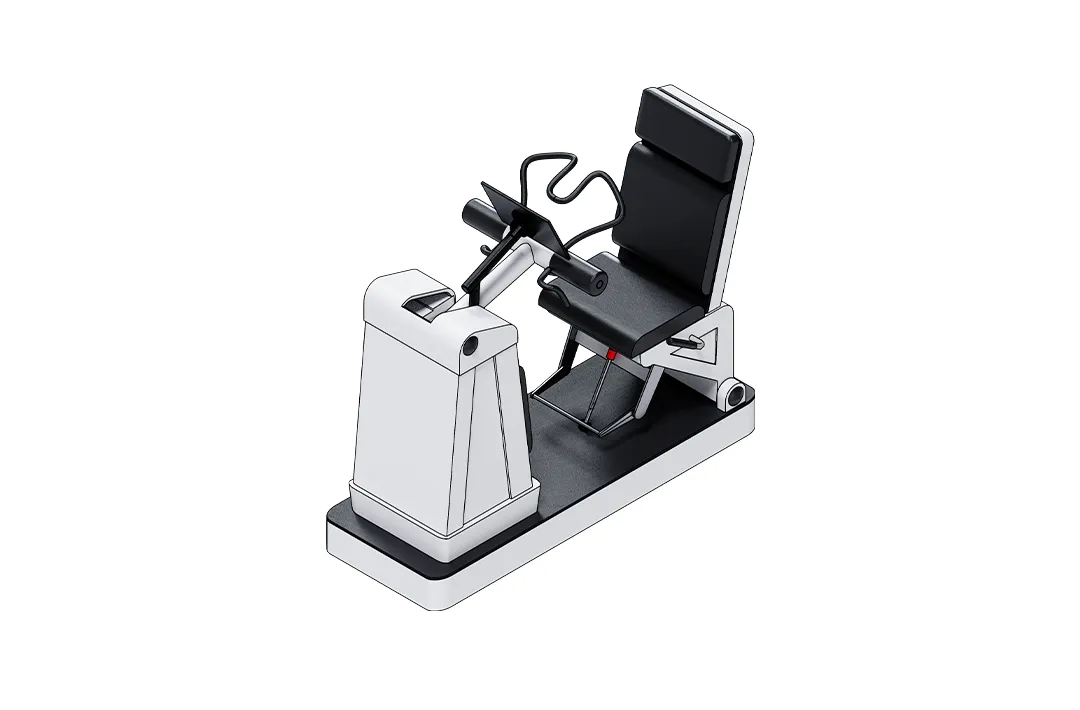
Mesure de la force for Bone Density Training

In strength and rehabilitation training, precise data is captured to measure and quantify performance while helping professionals guide performance goals. Designed to directly measure isometric muscle force, a small form factor button load cell is installed into the frame of the bone density system to provide real-time accurate force readings without affecting the main functions and movements of the machine.

Défiler vers le haut