




Neonatal Incubator Weighing
Low-Profile Infant Weight Monitoring with Planar Beams Load Cells
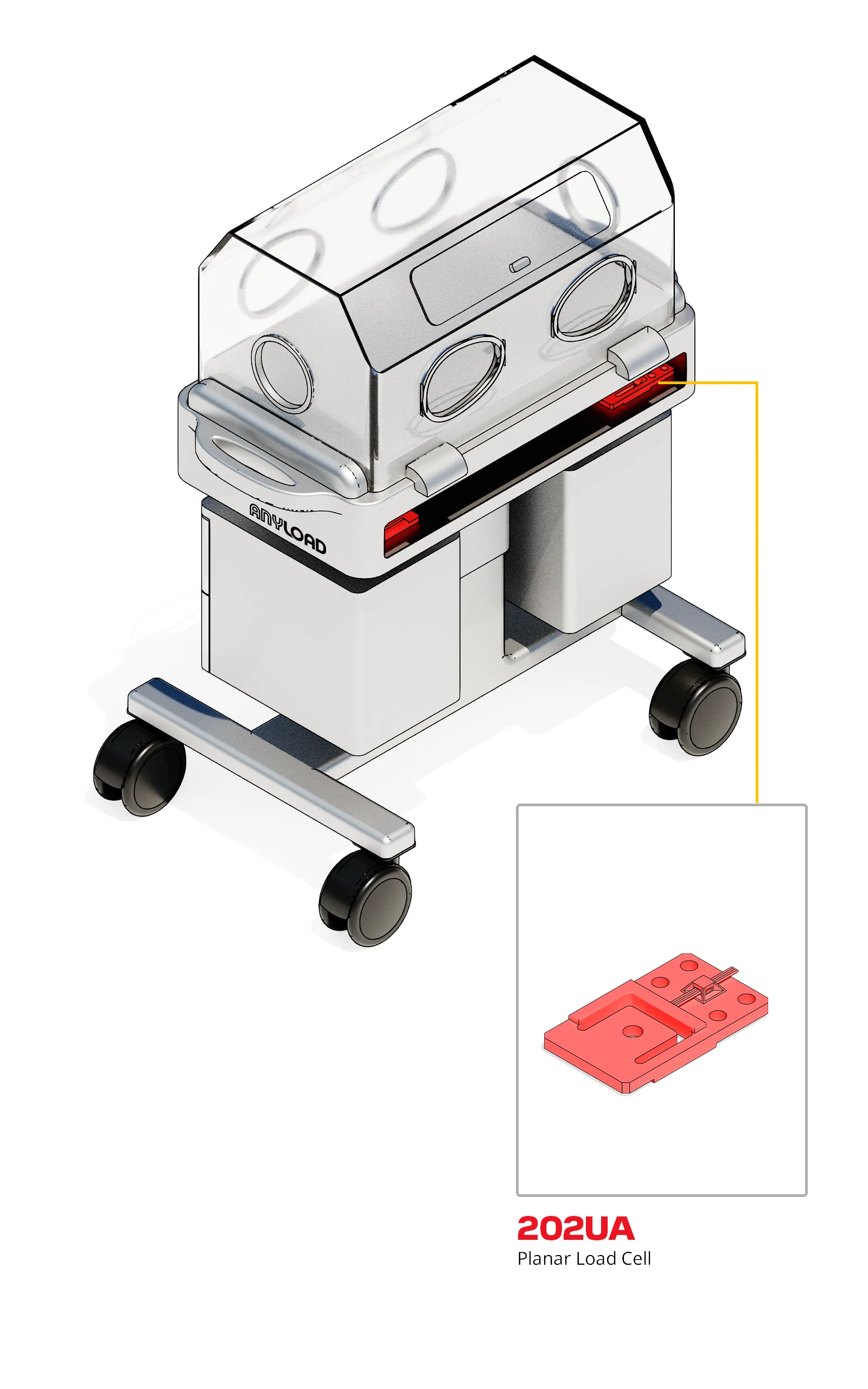
A neonatal incubator provides a controlled environment for premature and medically vulnerable newborns. Many incubators incorporate an infant weighing system beneath the mattress platform, allowing clinical staff to monitor weight and growth without transferring the infant to a separate scale. This reduces unnecessary handling and simplifies routine weighing around monitoring cables, tubing, and other connected equipment.
Medical equipment manufacturers require compact load cells that provide repeatable low-capacity measurements, integrate efficiently into production, and remain dependable throughout the equipment’s service life.
Desafío
- Restricted Installation Height: Incubator weighing mechanisms must fit beneath the mattress platform or bassinet without significantly increasing equipment height, obstructing access, or interfering with other clinical functions.
- Reliable Low-Capacity Measurement: Neonatal weighing requires stable and repeatable measurements at relatively low loads. Movement, bedding, cables, accessories, and uneven load distribution can introduce measurement errors.
- Medical Device Quality Requirements: Equipment manufacturers require suppliers with controlled production processes, component traceability, documented inspection, change management, and a quality management system aligned with medical device manufacturing.
Solución
- Low-Profile Load Cell Integration: Planar beam load cells fit beneath compact mattress and bassinet platforms while providing the capacity and sensitivity required for infant weighing systems.
- Matched Multi-Cell Outputs & Electrical Integration: Four matched load cells can be installed under the weighing platform without additional resistor trimming, simplifying assembly, calibration, replacement, and production testing. Cable length, ribbon cables, connectors, and pin assignments can also be configured for direct connection to the incubator’s control electronics, reducing wiring time and streamlining final assembly.
- Compliant & Scalable OEM Manufacturing: ANYLOAD supports medical equipment development from prototypes and validation samples through pilot builds and high-volume production under an ISO 13485-certified quality management system. Vertically integrated engineering, manufacturing, inspection, and change control help maintain consistent performance while supporting medical device OEM documentation and supplier qualification requirements.
Conclusión
A low-profile planar load cell system allows neonatal incubator manufacturers to integrate reliable infant weight monitoring within a compact mechanical design. Matched outputs, customized electrical connections, ISO 13485 manufacturing, and scalable production support the complete OEM development cycle, from initial prototypes through high-volume medical equipment production.
Palabras clave:
Neonatal Incubator Scale, Infant Incubator Weighing, Medical Load Cell, Planar Beam Load Cell, ISO 13485 Load Cell, Integrated Patient Weighing
Productos destacados
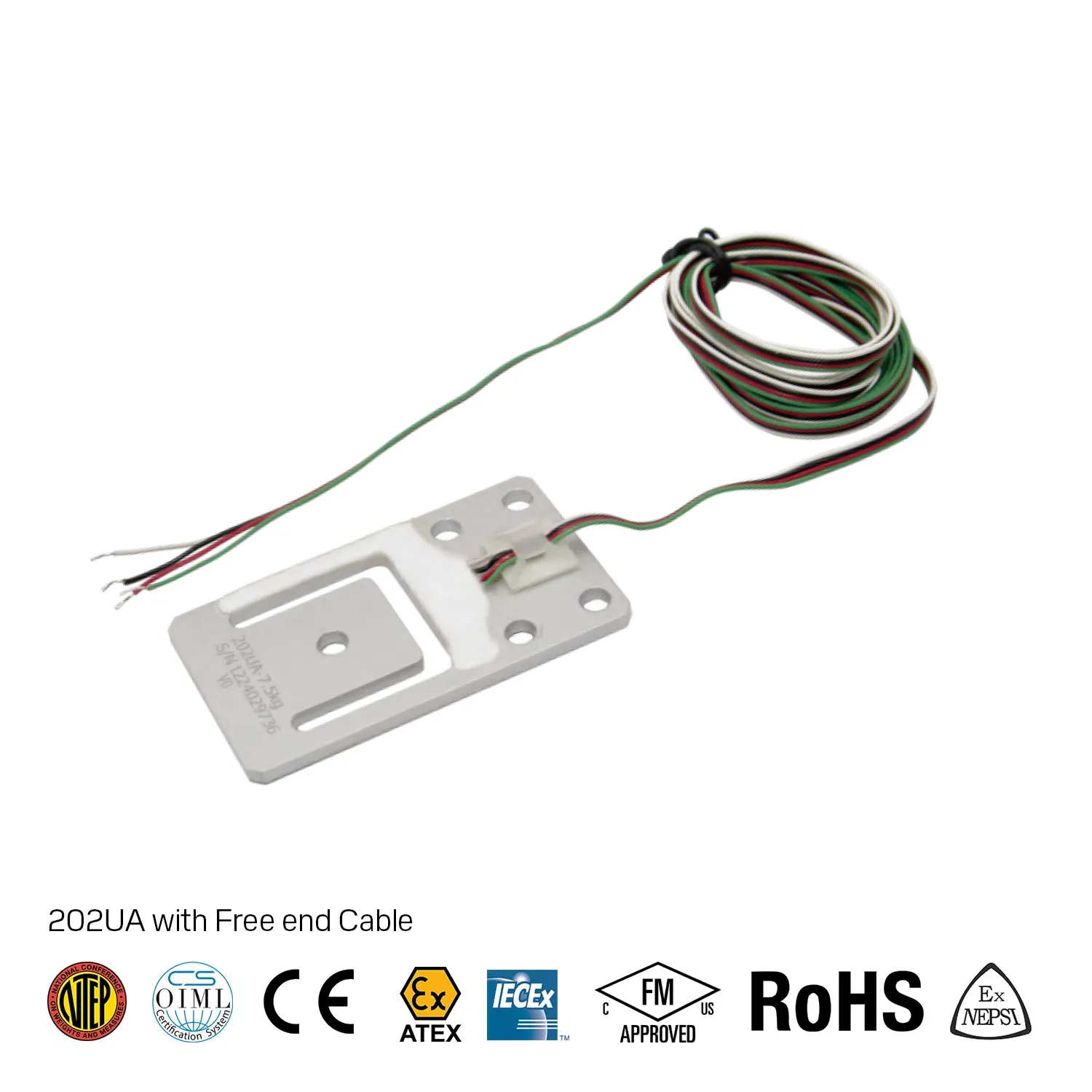
202UA
Célula de carga plana
Véase la versión estándar.
The ANYLOAD 202UA is a low-profile aluminum planar beam load cell engineered for platform and retail scale applications where minimal installation height is a critical design requirement. With a profile that enables scale assemblies of approximately 25mm in height, the 202UA fits a wide range of compact rectangular scale platforms in various shapes and sizes. Available in capacities from 3.75 kg to 375 kg, the load cell covers a broad spectrum of light-to-medium weighing applications across retail, industrial, and commercial environments.

Humanoid Robotic Joint Células de carga
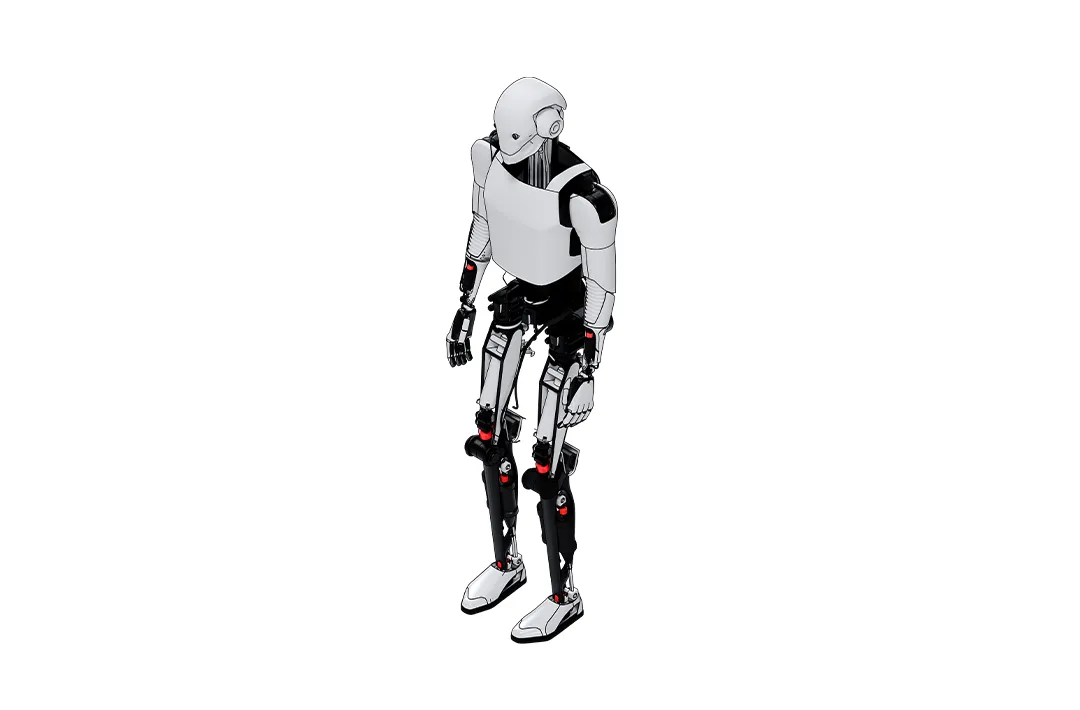
A robotics team set out to improve how humanoid robots control force and interact safely with people. To achieve this, they focused on better understanding axial forces within linear motors used as joints. ANYLOAD’s 247BSWM load button was well-suited to this application, integrating directly at the end of the joint drive or within the lead screw.
Medición de la fuerza for Bone Density Training
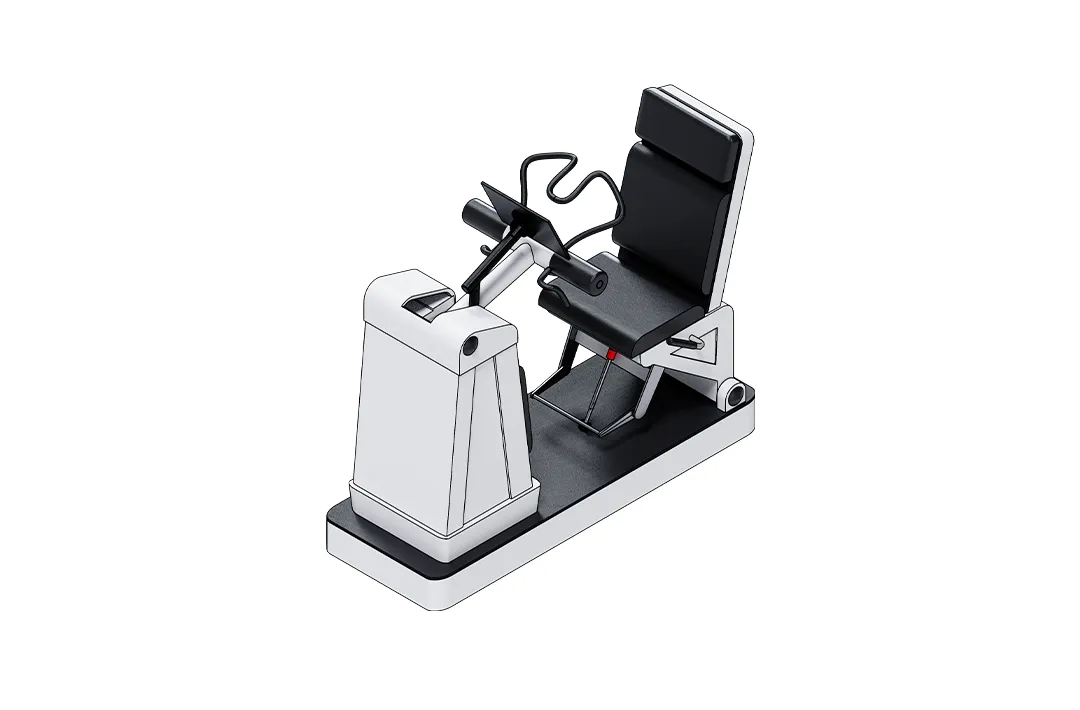
In strength and rehabilitation training, precise data is captured to measure and quantify performance while helping professionals guide performance goals. Designed to directly measure isometric muscle force, a small form factor button load cell is installed into the frame of the bone density system to provide real-time accurate force readings without affecting the main functions and movements of the machine.
Pantalla táctil Háptica Sensor de fuerza
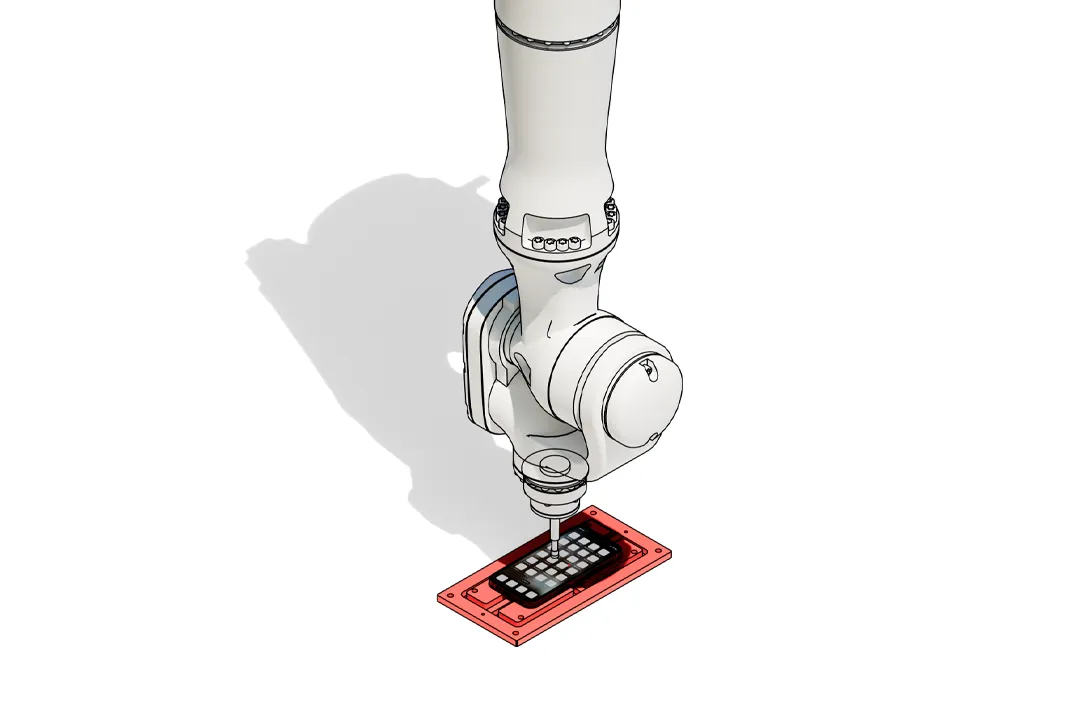
Con el uso generalizado de smartphones y smartwatches y el rápido desarrollo de la tecnología de visualización, la calidad de las pantallas LCD de los smartphones se ha convertido en una preocupación clave para los consumidores. El proceso de fabricación de las pantallas LCD es complejo y preciso, lo que las hace propensas a diversos defectos, como puntos brillantes, puntos oscuros, desviaciones de color y fugas de luz. Estos defectos afectan gravemente a la calidad de visualización del producto.