






Automated Urine Output Monitoring

Load Cell Measurement for Continuous ICU Fluid Monitoring

Urine output is routinely monitored in intensive care, post-operative care, and other hospital settings because changes in output provide important information about renal function, fluid balance, and patient condition. Traditional urinometers generally require healthcare staff to visually read and record collected volume at regular intervals.

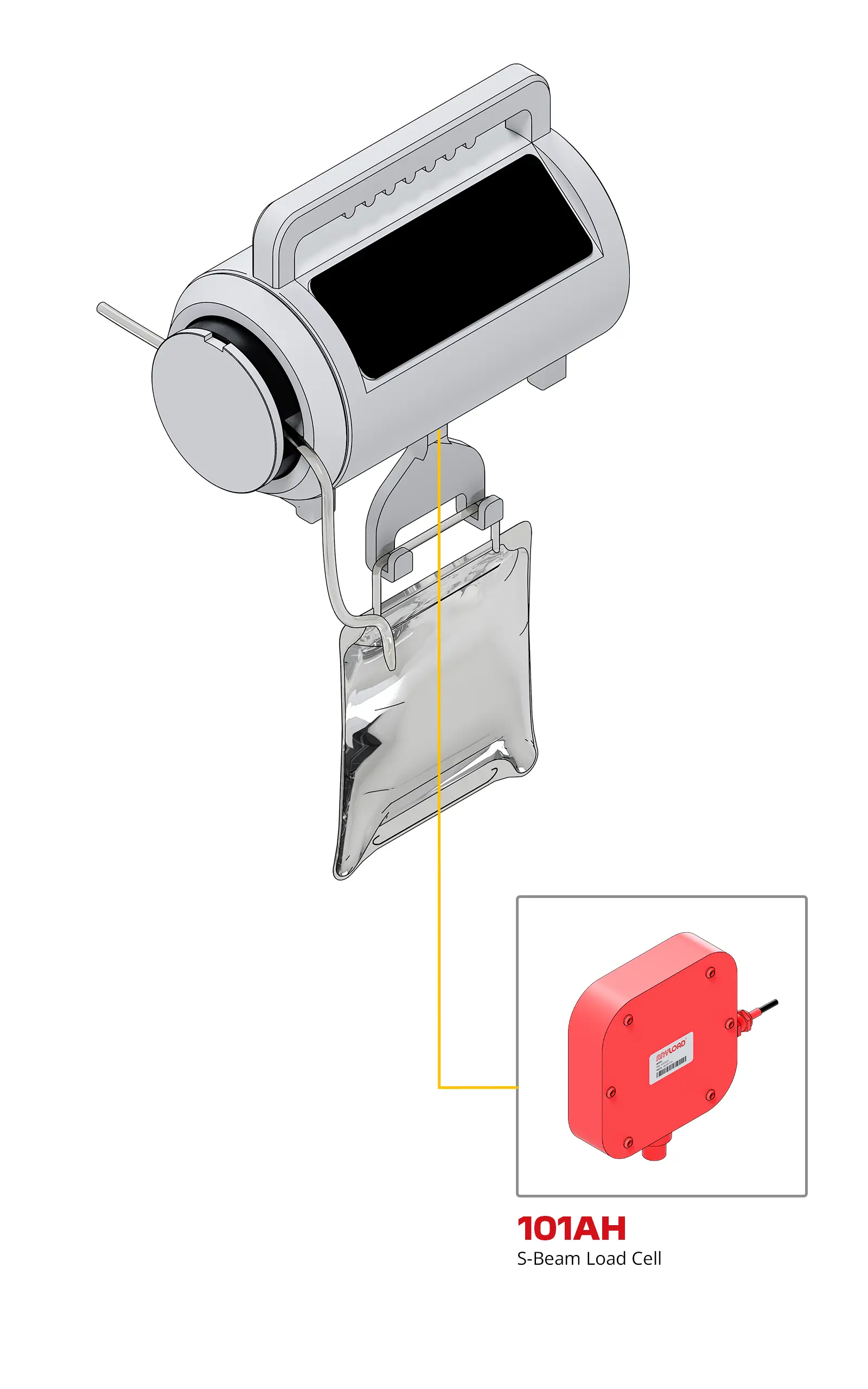
An automated system can instead suspend the urine drainage bag from a load cell and continuously measure changes in collected weight. The device converts these measurements into urine-output data that can be displayed locally or integrated with electronic monitoring and hospital information systems.

Desafío

  1. Small Changes Over Time: Clinically useful monitoring requires the system to detect relatively small increases in collected fluid while supporting a drainage bag that may eventually contain several liters.
  2. Movement and Angular Loading: Bed adjustment, patient transport, accidental contact, and changes in how the bag hangs can introduce motion and off-axis forces that disturb the weight measurement.
  3. Tubing Influence: Catheter tubing must remain below the patient’s bladder for proper drainage, but tubing tension or contact with the bed can transfer external forces into the weighing system.
  4. Continuous Clinical Operation: The system must recognize bag changes, emptying events, temporary removal, and other normal clinical activities without losing the ongoing urine-output record.

Solución

  1. Suspended Tension Measurement: A compact S-type load cell positioned between the monitor structure and drainage-bag hook measures the entire suspended load. This creates a simple and well-defined force path while accommodating standard urine collection bags.
  2. Digital Filtering and Compensation: Stable readings can be obtained using filtering, motion detection, angle compensation, and appropriate settling criteria to distinguish actual fluid accumulation from temporary disturbances caused by movement.
  3. Continuous Output Tracking: Rather than relying only on the absolute bag weight, the monitoring system tracks changes over time. This allows urine production rate and cumulative output to be calculated while accounting for bag tare and emptying events.
  4. OEM Medical Integration: Load-cell capacity, mounting hardware, cable length, connectors, calibration, signal conditioning, and digital interface can be customized for integration into the complete monitoring device. ANYLOAD supports development through recurring production under an ISO 13485-certified quality management system.

Conclusión

A load-cell-based urine monitoring system converts a standard drainage bag into a continuous gravimetric measurement device. Automated weight measurement can reduce manual readings while providing more frequent urine-output data for fluid-balance and patient monitoring systems.

Palabras clave:
Urine Output Monitor, Automated Urine Measurement, Urine Bag Load Cell, ICU Fluid Monitoring, Urine Output Sensor, Foley Catheter Monitoring, Gravimetric Urine Measurement, Medical S-Beam Load Cell, Continuous Urine Monitoring

Productos destacados

101AH
Célula de carga S-Beam
Véase la versión estándar.

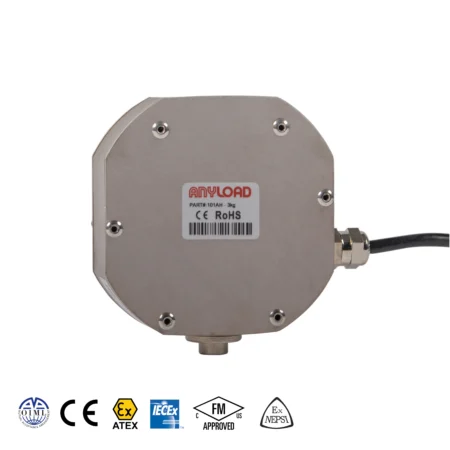
The Anyload 101AH S-Beam Load Cell is a precision strain gauge load transducer engineered for reliable tension and compression force measurement across a range of light to medium capacities. Constructed from durable alloy steel and environmentally sealed to IP65, this S-beam load cell delivers consistent performance with low non-linearity, repeatability, and hysteresis errors, making it ideal for industrial weighing, force monitoring, test stands, and automation systems.

Medición de la fuerza for Bone Density Training

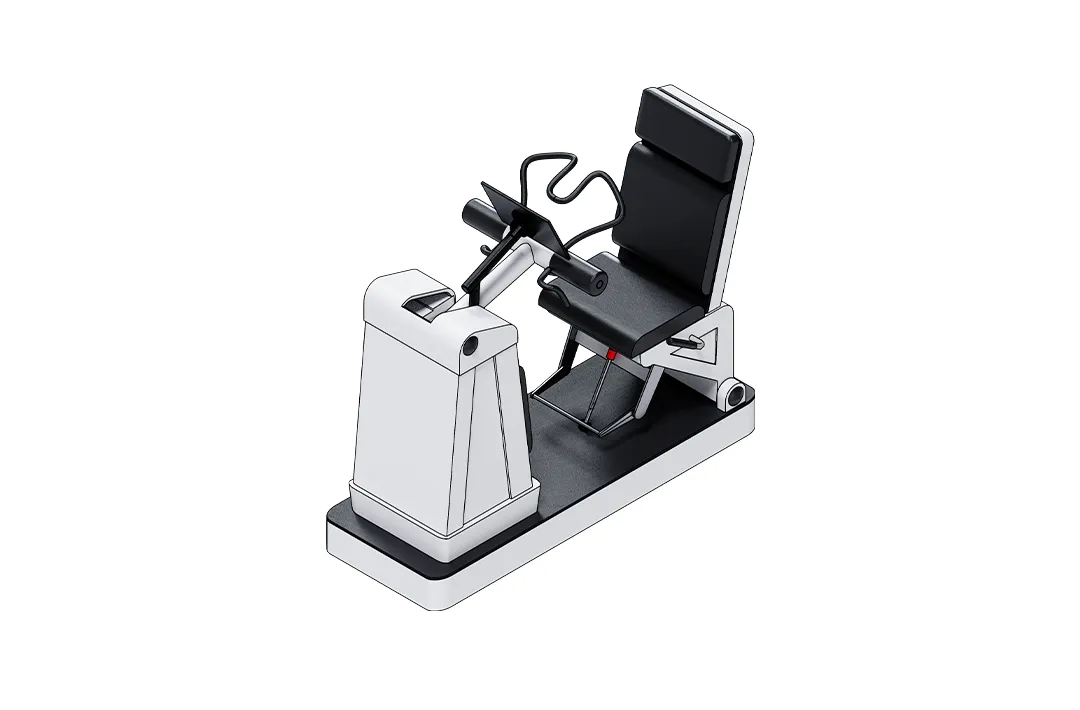
In strength and rehabilitation training, precise data is captured to measure and quantify performance while helping professionals guide performance goals. Designed to directly measure isometric muscle force, a small form factor button load cell is installed into the frame of the bone density system to provide real-time accurate force readings without affecting the main functions and movements of the machine.
Neonatal Incubator Pesaje

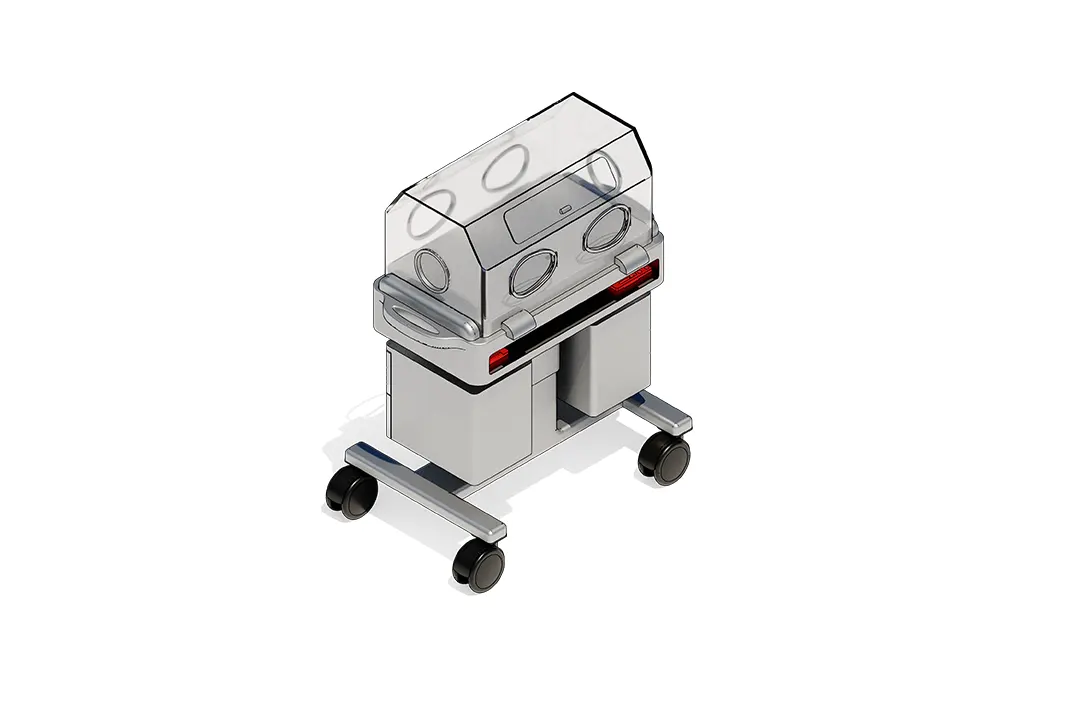
A neonatal incubator provides a controlled environment for premature and medically vulnerable newborns. Many incubators incorporate an infant weighing system beneath the mattress platform, allowing clinical staff to monitor weight and growth without transferring the infant to a separate scale. This reduces unnecessary handling and simplifies routine weighing around monitoring cables, tubing, and other connected equipment.
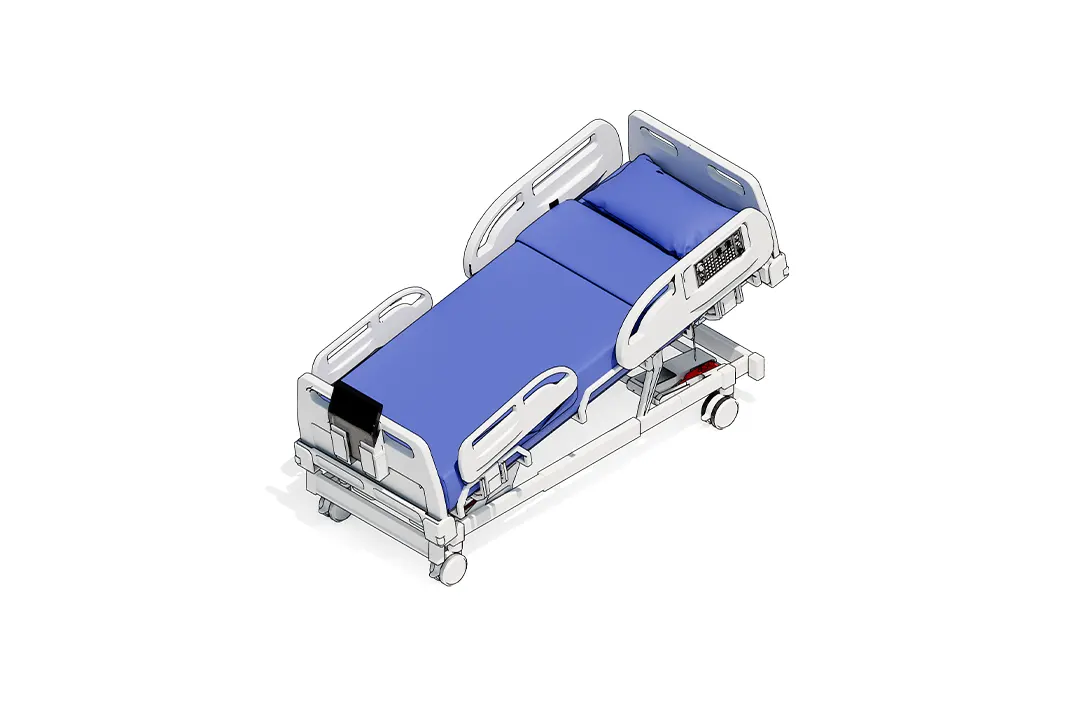
Hospital Bed Pesaje

Hospital beds with integrated scales allow caregivers to weigh patients without transferring them to separate weighing equipment. This is particularly important in intensive care, recovery, and long-term care settings where movement may be difficult or clinically undesirable.

Ir arriba