

Humanoid Robotic Joint Load Cells

Compact Axial Force Measurement for Precision and Safety

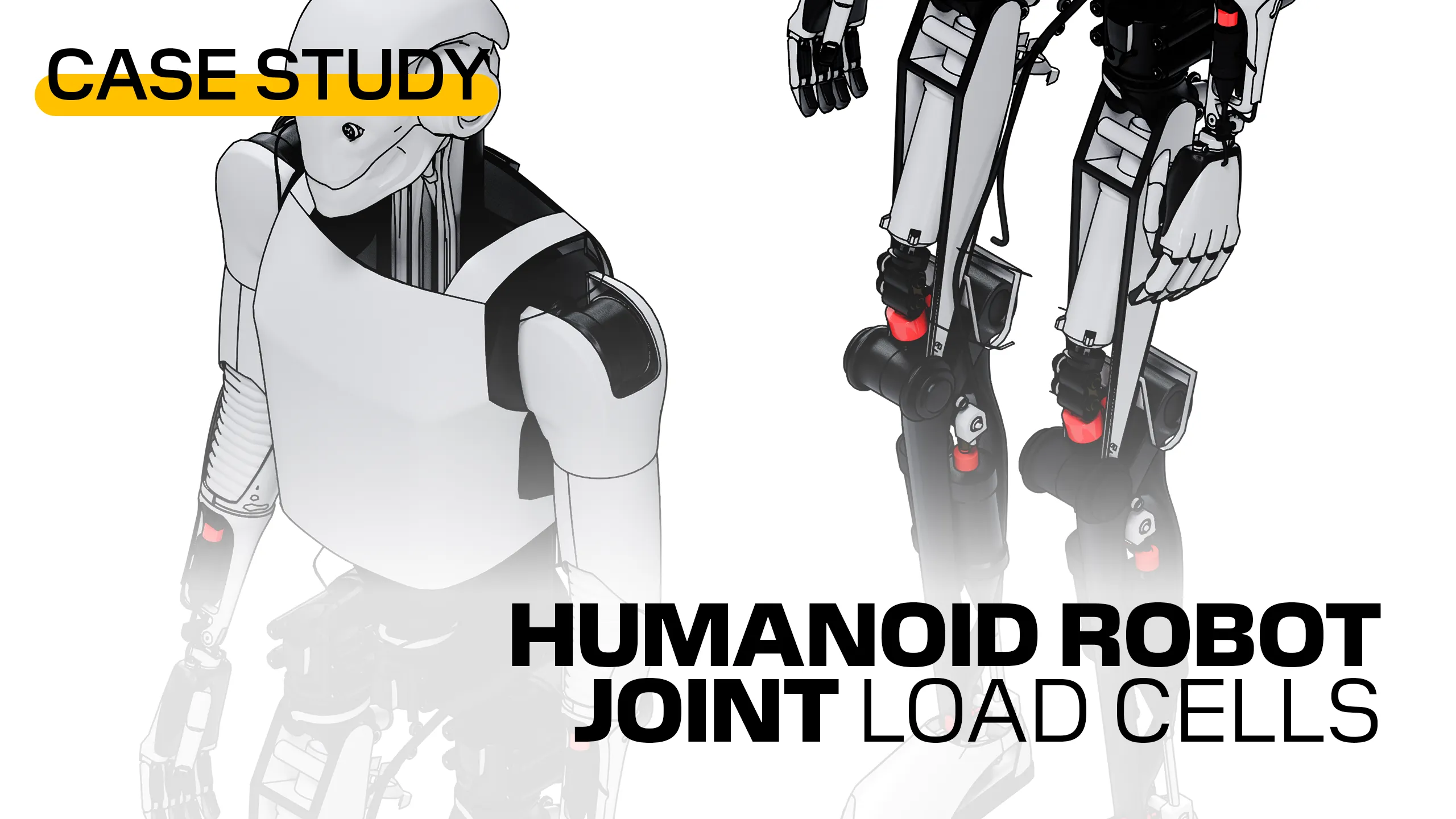
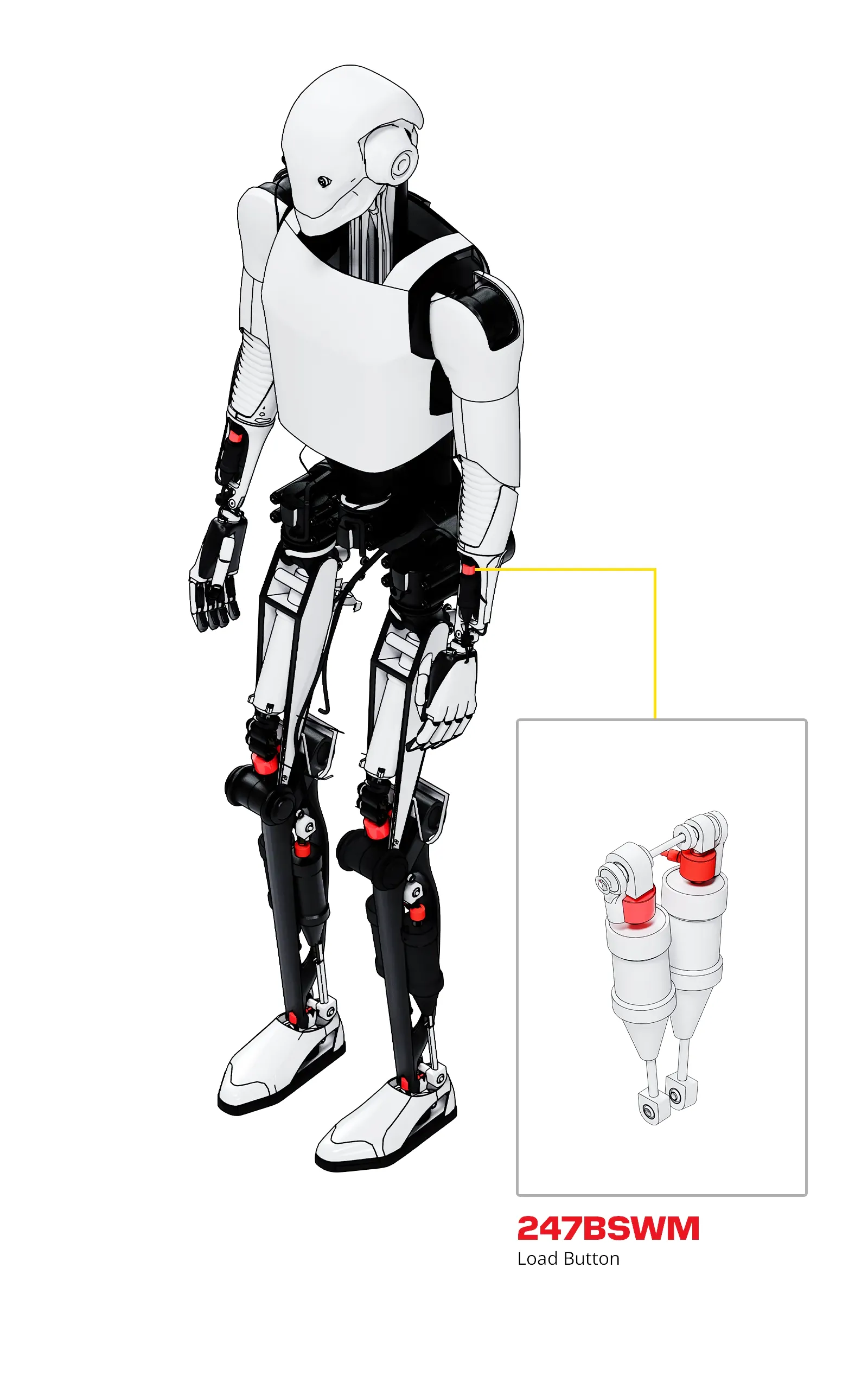
A robotics team set out to improve how humanoid robots control force and interact safely with people. To achieve this, they focused on better understanding axial forces within linear motors used as joints. ANYLOAD’s 247BSWM load button was well-suited to this application, integrating directly at the end of the joint drive or within the lead screw. It measures axial force in real-time, improving control response and detecting collisions, sudden load changes, and assembly issues. This creates a closed-loop feedback system that enhances precision, adaptability, and overall safety during operation.

도전 과제

  1. Limited Space: Motor interiors are highly compact. To maintain joint performance and responsiveness, the load cell must minimize added size or weight.
  2. Complex Loading Conditions: The load cell must handle continuous compressive and tensile forces, sudden impacts, and combined bending and torsion loads. It also needs to respond quickly to capture rapid force changes during operation.
  3. Long-Term Durability: Robot joints must withstand millions of repeated movements over their lifetime. Load cells must maintain consistent accuracy and stable signals under continuous cyclic loading.
  4. Noise and Electrical Interference: Electrical interference from motors and drivers, along with temperature changes, can affect signal quality. Load cells must maintain stable and accurate measurements in these conditions.

솔루션

  1. Compact Design: The load button enables seamless integration into limited motor space while minimizing added mass and dimensional impact, maintaining optimal joint performance.
  2. Force Isolation and Compensation: Optimized strain gauge placement and bridge configuration isolate axial forces from other load interference. Integrated temperature sensing and compensation maintain measurement accuracy exceeding ±0.1% FS across a wide operating range from -30°C to 90°C.
  3. High Fatigue Resistance: The load cell undergoes extensive fatigue testing to ensure long-term durability. Furthermore, high-stability strain gauges are used, ensuring a fatigue life exceeding 10 million cycles under rated load.
  4. Stable Signal Output: Digital filtering ensures clean measurements, while integrated digital outputs enable reliable, noise-resistant communication and seamless system integration across varying environments.

결론

ANYLOAD’s 247BSWM load button highlights how force measurement can improve humanoid robotic joints. It provides reliable, real-time force feedback without adding significant size or complexity. This improves control accuracy, response time, and interaction safety.

AL-Singular-Humanoid-Joint

키워드: Humanoid Robots, Embodied Robotics, Tension and Compression Load Cell, Force Sensor, Robotic Mechanism. 

주요 제품

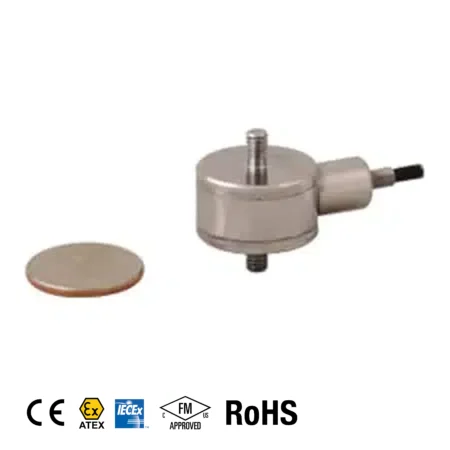
The ANYLOAD 247BSWM Load Button Load Cell is a compact stainless steel compression force sensor with dual threaded studs, designed for precise force measurement in industrial automation, test and measurement systems, and OEM machinery. Its button-style compression interface and inline threaded mounting allow the sensor to be easily installed between machine components, enabling accurate measurement of compressive forces within limited installation space. The robust stainless steel construction and sealed strain gauge design provide stable, repeatable force measurement in demanding industrial environments.

사례 연구 살펴보기

다중 축 방향 힘 센서 로봇 자동화

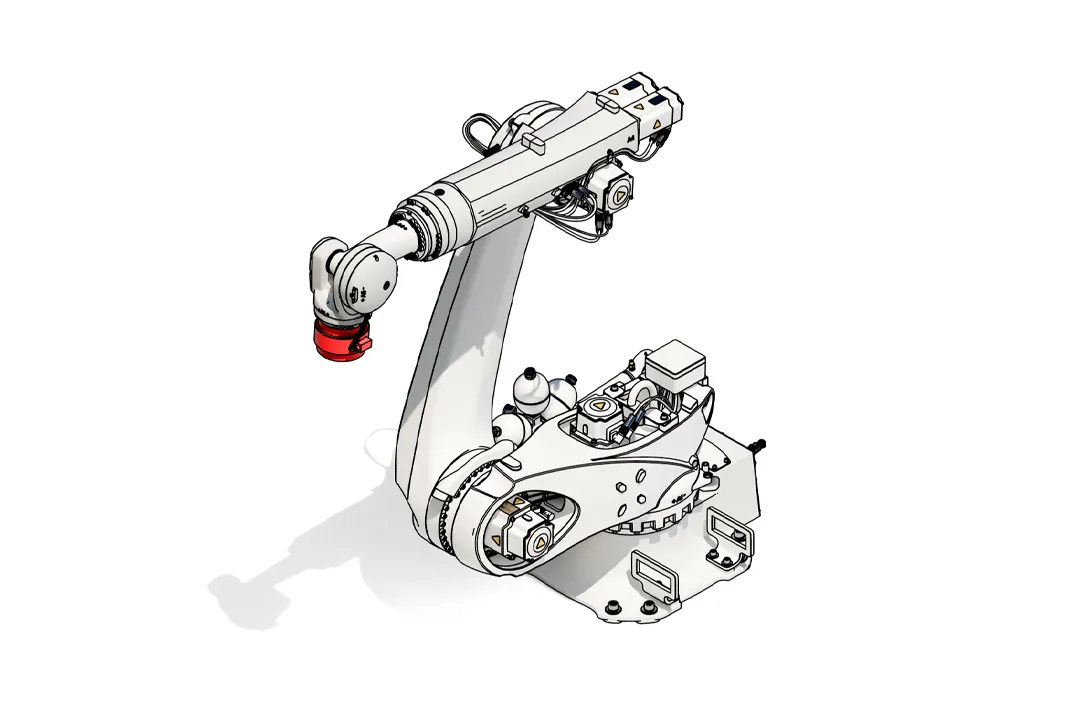
Robotic arms are programmable automated devices widely used in industrial production, medical surgeries, agriculture, and other fields. In industrial production, robotic arms perform repetitive tasks such as welding, painting, assembly, and material handling with precision, improving efficiency and reducing labor costs.
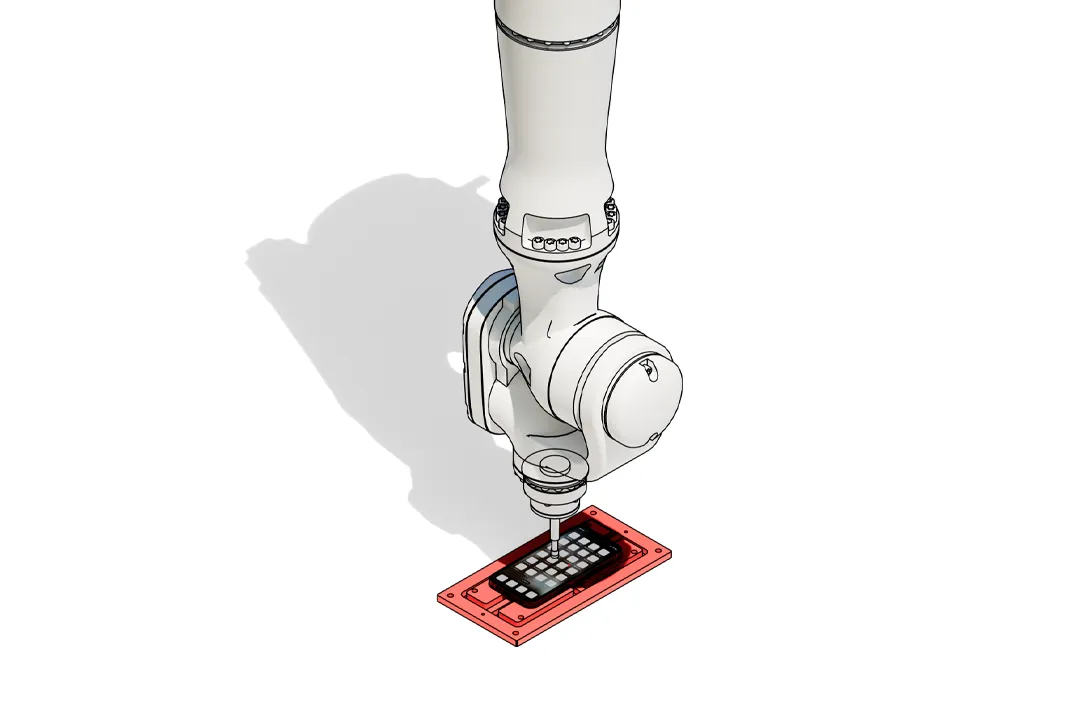
터치스크린 햅틱 힘 센서

스마트폰과 스마트워치의 광범위한 사용과 디스플레이 기술의 급속한 발전으로 스마트폰 LCD 화면의 품질은 소비자의 주요 관심사가 되었습니다. LCD 화면의 제조 공정은 복잡하고 정밀하기 때문에 밝은 부분, 어두운 부분, 색상 편차, 빛 누출과 같은 다양한 결함이 발생하기 쉽습니다. 이러한 결함은 제품 디스플레이 품질에 심각한 영향을 미칩니다.
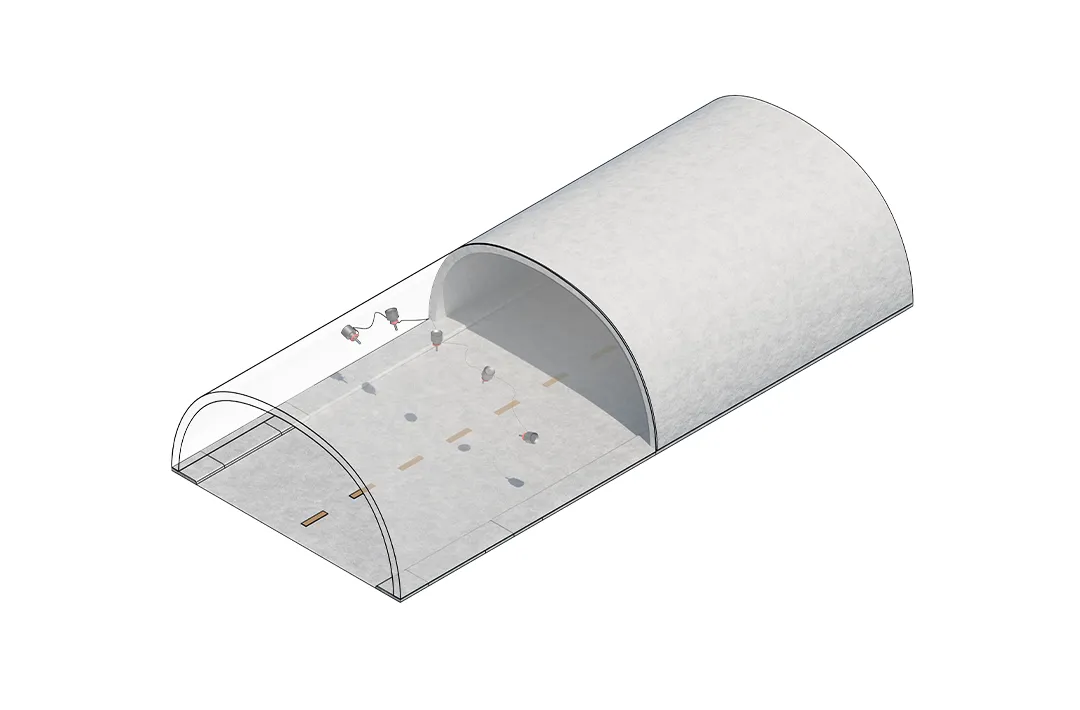
Tunnel Support & Anchor Monitoring 로드셀

A civil engineering firm wanted to better understand load behaviour within tunnel support systems. To achieve this, they implemented real-time monitoring of the forces acting on tunnel linings and support systems (rock bolts, tiebacks, etc.).

맨 위로 스크롤