
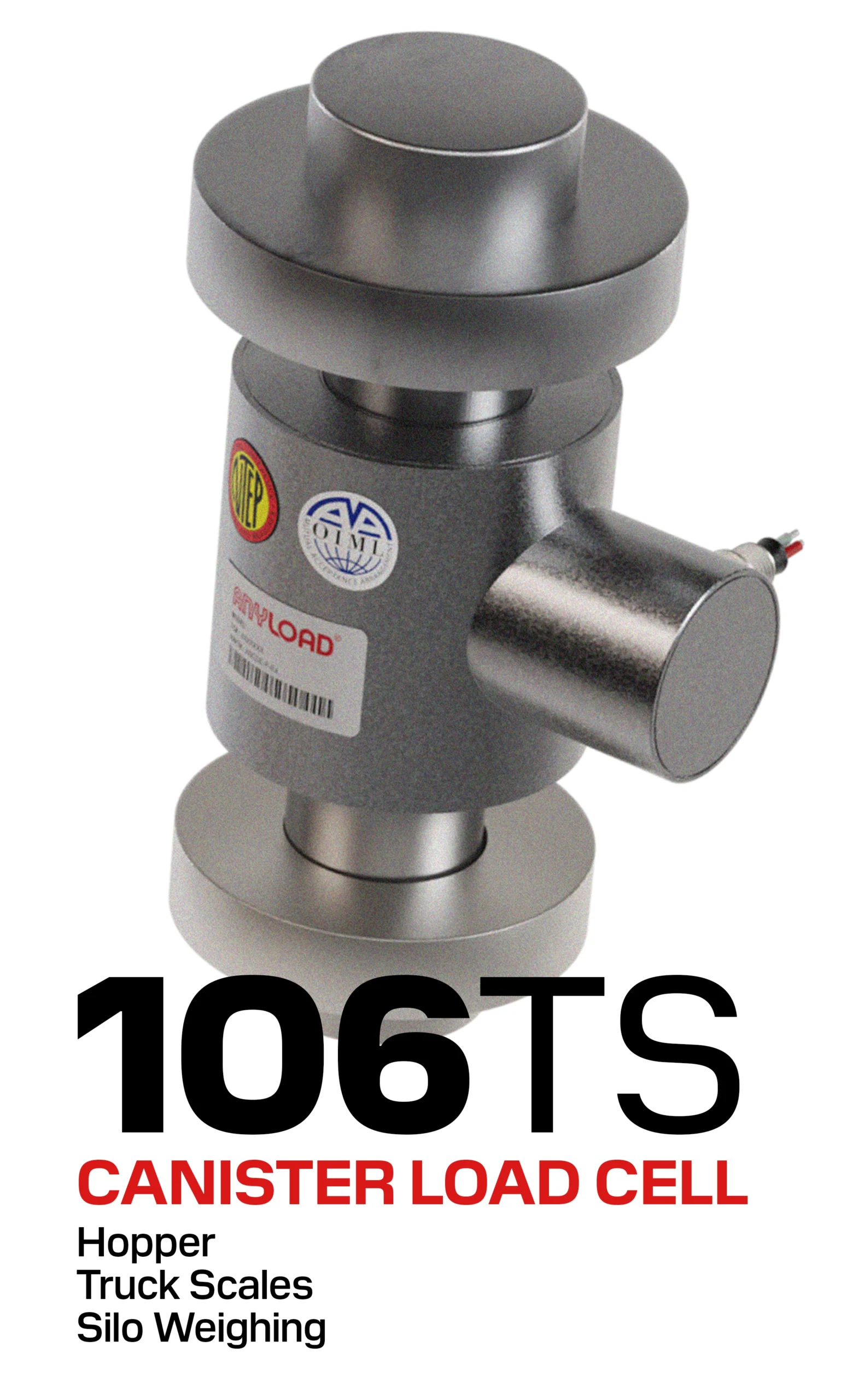
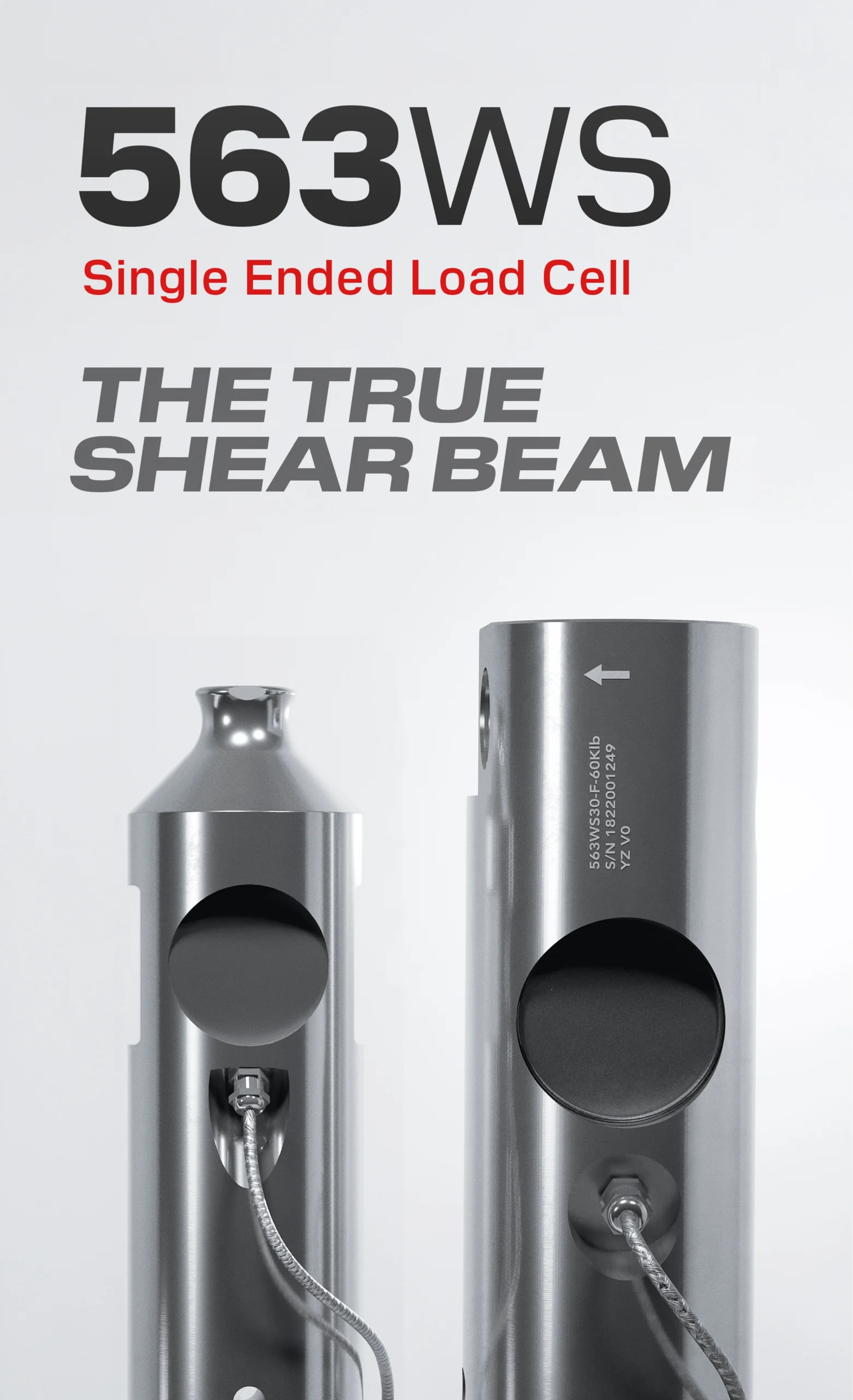
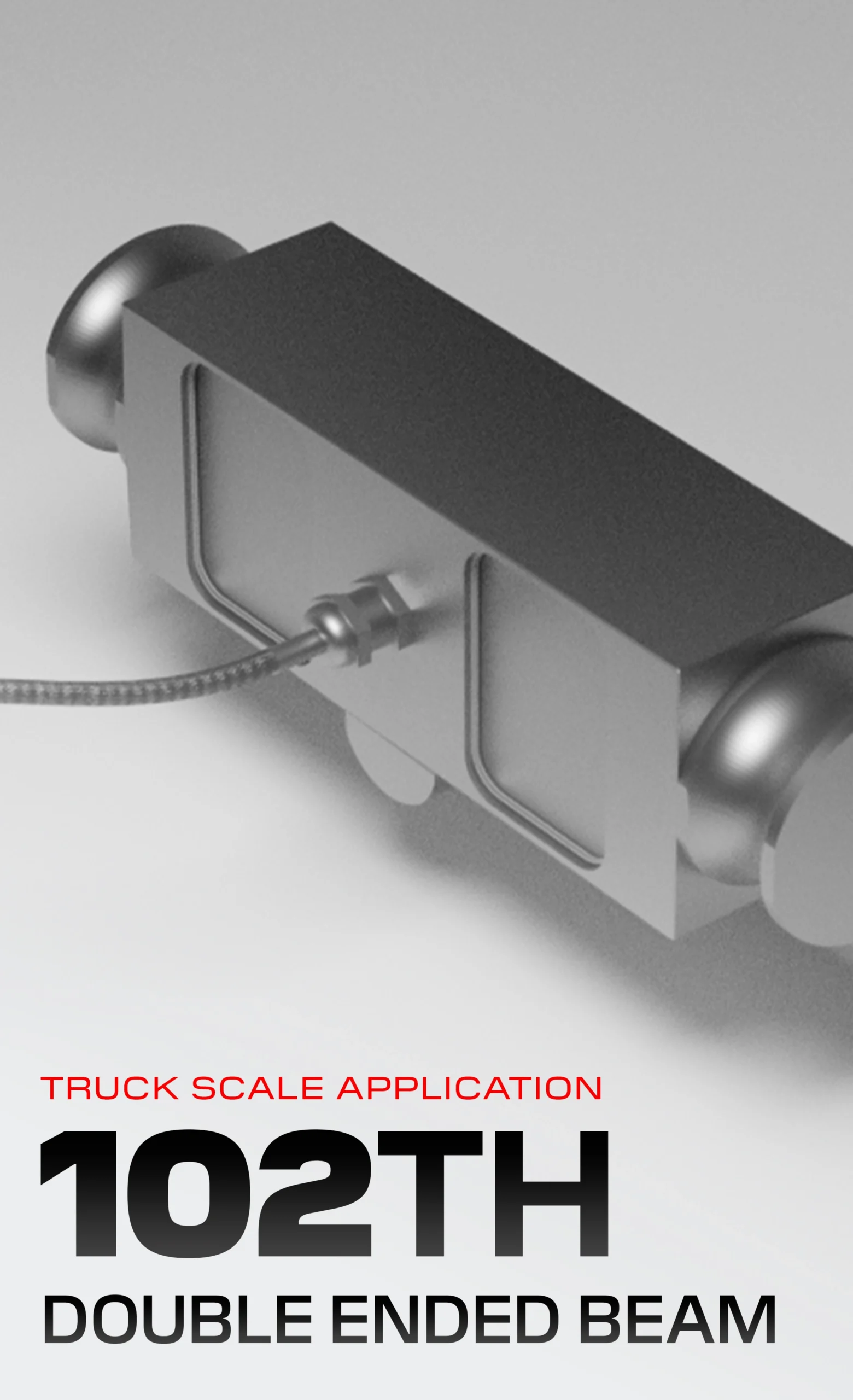


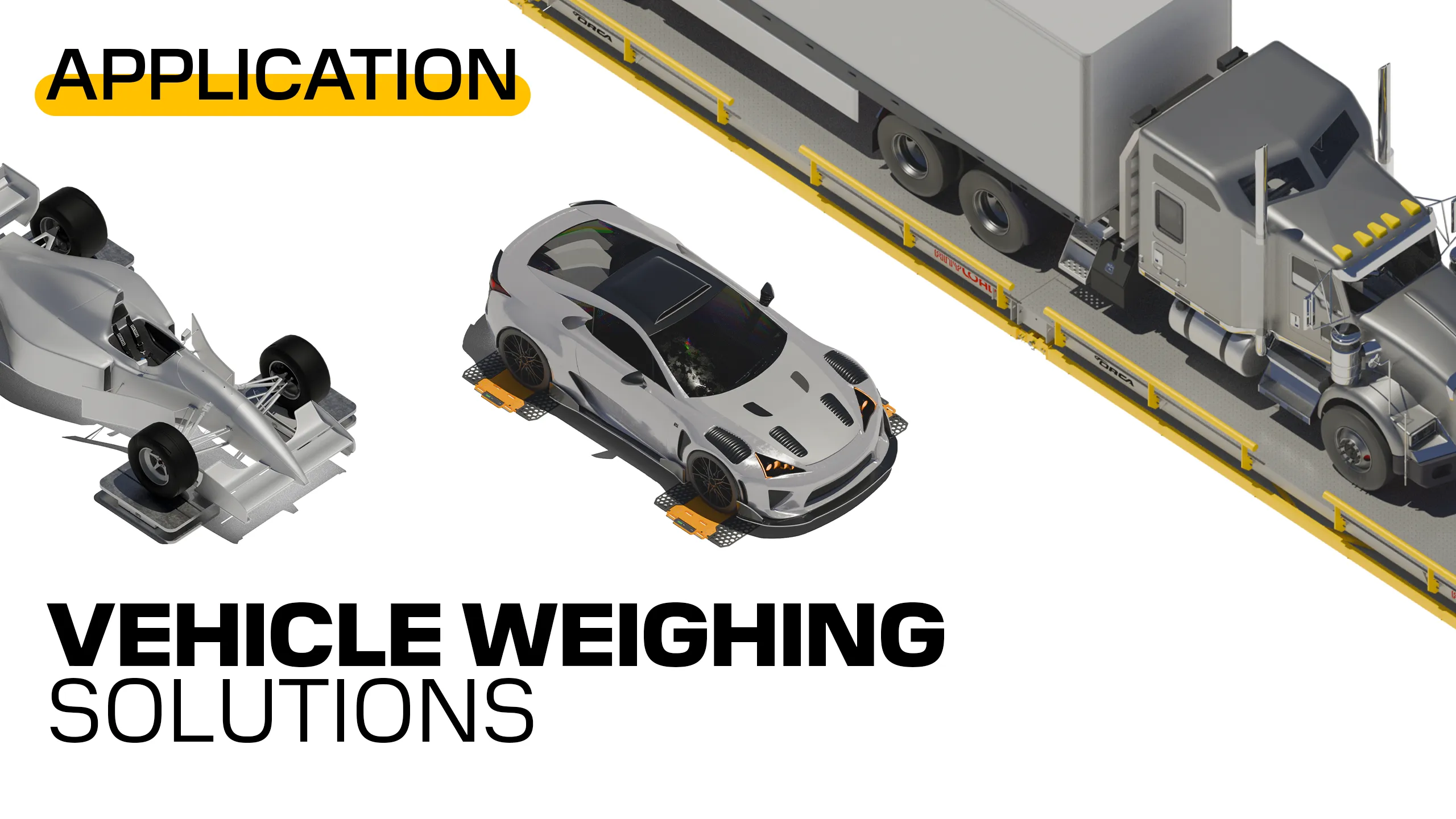

Last Updated On October 29 • 20 min read
At ANYLOAD, we define interchangeable load cells as mechanically compatible replacements for existing load cells, including discontinued models and products from other manufacturers. These replacements are designed to fit into existing weighing systems without requiring significant mechanical modifications.
Our definition primarily focuses on rated output (sensitivity) and mechanical compatibility, including physical dimensions, mounting configurations, and threading. Although interchangeable load cells are designed to fit existing systems, recalibration is generally required to ensure accurate measurements.
However, mechanical compatibility and matching rated output do not guarantee overall system compatibility. Additional electrical, environmental, and regulatory specifications may need to be considered to ensure the replacement is suitable for its intended application.
An interchangeable load cell does not need to be identical to the original, but it must meet the relevant requirements of the existing weighing system. Actual compatibility depends on the complete application, including mechanical integration, electrical characteristics, environmental conditions, accuracy requirements, and applicable certifications.
This guide outlines the key factors to consider when selecting an interchangeable load cell.
1. Interchangeable Load Cell Selection Checklist
Below is a quick checklist of specifications to consider when selecting an interchangeable load cell. The checklist distinguishes between essential specifications that apply to all replacements and additional specifications that depend on the application. The following sections explain each specification and its importance in determining compatibility.
| Especificación | What to Verify | Importance |
|---|---|---|
| Capacidad nominal | Capacity and units | Critical |
| Salida nominal | mV/V sensitivity | Critical |
| Mounting Configuration | Hole locations, spacing, and threads | Critical |
| Dimensiones físicas | Overall size and loading geometry | Critical |
| Load Cell Type | Mechanical design and load direction | Critical |
| Resistencia de entrada | Excitation-side resistance | Important |
| Resistencia de salida | Signal-side resistance | Important |
| Excitation Voltage | Recommended and maximum voltage | Important, ideally the interchangeable load cell should have the same or greater excitation capabilities |
| Environmental Protection and Sealing | Seal type & IP rating | Application dependent, depends on specific environmental conditions |
| Operating Temperature Range | Degrees Celsius (°C) and or Fahrenheit (°F). | Application dependent, more important when temperatures can vary significantly |
| Material | Type of material | Application dependent |
| Certification and Accuracy Requirements | Legal for Trade Approvals, Intrinsic Safety Certifications | Application dependent |
| Cable Length | Meters (m) or Feet (ft) | Application dependent |
| Wiring Configuration | Number of wires (4 or 6) | Application dependent |
2. When Is an Interchangeable Load Cell Needed?
An interchangeable load cell may be required in several situations:
- Replacing a damaged or malfunctioning load cell: The original load cell has failed and requires replacement.
- Replacing an obsolete or discontinued model: The original load cell is no longer manufactured or readily available.
- Replacing a load cell from another manufacturer: An equivalent load cell is needed due to availability, pricing, supply chain, or application requirements.
The replacement approach depends on whether the weighing system uses a single load cell or multiple load cells. In single-load-cell systems, differences in electrical characteristics may be accommodated through recalibration, provided the indicator supports the replacement.
In multiple-load-cell systems, particularly when replacing only one load cell, matching electrical characteristics is especially important to prevent uneven signal contributions and weighing errors.
3. Anyload’s Primary Specifications for Load Cell Compatibility
When using our Herramienta de búsqueda intercambiable, you may wonder which specifications are considered when recommending replacement load cells.
There are four primary specifications to consider when evaluating interchangeability:
- Rated output (sensitivity)
- Rated capacity
- Mounting hole configuration, threading, and spacing
- Physical dimensions and load application
3.1 Rated Output (Sensitivity)
Rated output, also known as Full Scale Output, describes the electrical output produced from a load cell at its maximum rated load (Emax) relative to its excitation voltage. It is expressed in millivolts per volt (mV/V)
For example, a 2 mV/V load cell supplied with 10 V excitation produces approximately 20 mV at full capacity.
A 3 mV/V load cell supplied with the same excitation produces approximately 30 mV at full capacity.
Why it matters:
Load cells with different rated outputs are generally not direct replacements without recalibration or signal adjustment. For example, replacing a 2 mV/V load cell with a 3 mV/V load cell of the same capacity produces a 50% higher output signal at the same load. Without recalibration, a 500 kg load could be displayed as 750 kg.
A higher output signal may also exceed the indicator’s measurement range. In multiple-load-cell systems, mismatched rated outputs can cause unequal signal contributions and corner-loading errors, potentially requiring signal matching or corner adjustment.
For reliable performance, selecting a replacement with a matching rated output is generally recommended.
3.2 Rated Capacity
Rated capacity, sometimes referred to as full-scale (FS) capacity, is the maximum load that a load cell is designed to measure within its specified operating range.
This value is provided by the manufacturer and is used to determine whether the load cell can safely and accurately measure the intended loads.
Why it matters:
The replacement must have sufficient capacity for the applied load and anticipated loading conditions.
A load cell with insufficient capacity may become overloaded, potentially resulting in permanent deformation, measurement errors, or failure.
Conversely, using a load cell with a substantially higher capacity may reduce the available output signal over the application’s normal operating range, potentially affecting measurement resolution.
For direct replacements, matching the original rated capacity is generally recommended.
3.3 Mounting Hole Configuration, Thread, and Spacing
Mounting hole locations, centre-to-centre distances, hole diameters, and thread specifications determine whether a replacement load cell fits the existing mounting arrangement.
Why it matters:
Even when two load cells have identical rated capacities and electrical specifications, differences in mounting configurations may prevent direct installation.
Improper mounting can also introduce unwanted forces or stresses, potentially affecting measurement accuracy and overall system performance.
To minimize installation difficulties, the replacement load cell should have mounting dimensions and threading specifications compatible with the existing system.
3.4 Physical Dimensions and Load Application
Important mechanical characteristics include:
- Overall length, width, and height
- Loading point position
- Loading direction and orientation
Why this matters:
Physical dimensions determine whether the replacement load cell can fit within the available space in the existing weighing system.
Differences in load application geometry can also change how forces are transferred through the load cell, potentially affecting measurement accuracy or causing mechanical interference.
Additionally, the replacement should have a compatible mechanical design and be suitable for the intended loading conditions. Common load cell designs include bending beam, shear beam, compression, and single-point configurations.
4. Additional Application-Dependent Specifications for Load Cell Compatibility
While our Interchangeable Search Tool helps identify potential replacements, certain application-dependent specifications fall outside ANYLOAD’s primary definition of interchangeability.
Our definition focuses mainly on mechanical compatibility, allowing a replacement load cell to fit into an existing system with minimal modifications. However, additional factors must be evaluated to ensure that the replacement is suitable for its intended application.
These considerations can be divided into three categories:
- Electrical compatibility
- Environmental and regulatory compatibility
- Cable and wiring compatibility
Not all specifications have the same impact on interchangeability. The importance of each factor depends on the weighing system’s operating conditions, performance requirements, and intended application.
4.1 Electrical compatibility
Electrical compatibility determines whether a replacement load cell can operate correctly with the existing weighing system’s electronics, including its indicator.
a) Input and Output resistance
Input resistance describes the electrical resistance measured across the load cell’s excitation terminals, while output resistance is measured across its signal terminals.
ANYLOAD indicators are designed to accommodate different load cell configurations. However, it is important to verify that each connected load cell’s input resistance is compatible with the indicator’s excitation capabilities.
An indicator’s datasheet typically specifies the number of load cells up to a specific input resistance it can support or simultaneously excite.
Why this matters:
When multiple load cells are connected in parallel, the combined input resistance decreases, increasing the current required from the indicator’s excitation circuit.
If the total resistance is too low, the indicator may be unable to provide sufficient excitation current.
Differences in output resistance may also affect signal contributions in multiple-load-cell systems. Therefore, compatibility should be evaluated based on the specific system configuration, and recalibration or signal adjustment may be necessary.
b) Excitation Voltage
Excitation voltage is the electrical supply provided by the indicator to power the load cell’s strain-gauge bridge.
For reliable operation, the indicator’s excitation voltage must fall within the replacement load cell’s specified operating range.
Generally, we recommend using load cells that share the same excitation voltage.
Why this matters
The replacement load cell must be compatible with the excitation voltage supplied by the existing weighing system.
Using a compatible excitation voltage allows the load cell to produce an output signal that can be properly measured and calibrated by the indicator.
It is also important to ensure that the supplied excitation voltage does not exceed the load cell’s maximum allowable voltage. Exceeding this limit can cause excessive heating, measurement instability, or permanent damage.
For multiple-load-cell systems, additional attention should be given to ensuring that all connected load cells and the indicator operate within their respective electrical specifications.
4.2 Environmental and Regulatory Compatibility
a) Environmental Protection and Sealing
A load cell’s sealing type and ingress protection (IP) rating indicate its resistance to environmental factors such as dust and moisture.
Why this matters: The replacement load cell should provide sufficient environmental protection for the conditions in which it will operate. For applications exposed to moisture, frequent washdowns, dust, or other harsh environmental conditions, an appropriate sealing method and IP rating are important for maintaining reliable performance.
b) Compensated Temperature Range
A load cell’s compensated temperature range is the temperature span over which it is designed to maintain its specified performance within defined temperature-related error limits.
Manufacturers compensate and test load cells to minimize the effects of temperature changes on measurement accuracy.
Why this matters: A replacement load cell should have an operating and compensated temperature range suitable for the intended environment. Operating outside the compensated temperature range may result in increased measurement errors.
c) Material
The material used in a load cell’s construction influences its mechanical properties, durability, and resistance to corrosion.
Different materials may be more suitable for specific environmental conditions or exposure to corrosive substances.
Why this matters: Selecting a replacement load cell with a suitable material and surface finish helps ensure reliable operation and longevity in the intended environment.
d) Certification and Accuracy Requirements
Legal for Trade Approvals:
Certain commercial weighing applications may require load cells and weighing equipment to meet regulatory or accuracy standards. These requirements can vary depending on the application and jurisdiction.
Intrinsic Safety Certifications:
Applications in potentially hazardous environments may require load cells with specific safety certifications. These certifications help establish whether equipment is suitable for use under certain hazardous operating conditions.
Why this matters: When selecting a replacement load cell, it is important to consider any applicable certification, safety, and accuracy requirements. Reviewing these specifications helps ensure that the replacement is suitable for the intended application.
4.3 Cable and Wiring Compatibility
Cable and wiring compatibility ensures that the replacement load cell can be properly connected to the existing weighing system. Key considerations include cable length, and wiring configuration.
a) Cable Length
Cable length refers to the distance between the load cell and its connection to the indicator or junction box.
Why this matters: The replacement load cell should have sufficient cable length to reach the existing connections without requiring unnecessary modifications. Excessively long cables can introduce additional resistance, potentially causing voltage drops and affecting measurement accuracy, particularly in 4-wire systems.
b) Four-Wire vs. Six-Wire Configuration
Load cells typically use either a 4-wire or 6-wire configuration.
- 4-wire: Uses two excitation wires and two signal wires.
- 6-wire: Includes two additional sense wires that allow compatible indicators to compensate for voltage drops along the excitation wires.
Why this matters: The replacement load cell’s wiring configuration must be compatible with the existing indicator. While 4-wire and 6-wire load cells can sometimes be used interchangeably with appropriate wiring adjustments, the indicator’s requirements should be verified before installation.
5. Example
Determining Anyload 651JS-50kg interchangeability with the Anyload 108JA-50kg Single Point load cell.
| Especificación | 651JS-50kg Single Point Load Cell | 108JA-50kg Single Point Load Cell | Specification Matches |
|---|---|---|---|
| Rated capacity | 50kg | 50kg | Sí |
| Rated Output/ Full Scale Output | 2.0 mV/V ± 10% | 2.0 mV/V ± 10% | Sí |
| Mounting configuration (T) | M8 Depth15 / M8 Depth0.6 | M8 Depth15 / M8 Depth0.59 | Sí |
| Space between mounting holes | W1: 30mm/ 1.2 inch L3: 19.0mm/0.75 inch L2: 100.0 mm/3.9 inch | W2: 30mm/1.18 inch L3: 19.0mm/0.75 inch L4: 100.0 mm/3.94 inch | Sí |
| Physical dimensions | L: 150mm/5.9 inch W: 45.0mm/1.8 inch H: 49.0 mm | L: 150mm/5.9 inch W: 45.0 mm/1.8 inch H: 25.0 mm | Though the height of the cells are different, since the 108JA is shorter it should still be able to slot into the original system. |
| Input resistance | 1100Ω±50 | 415 Ω ± 15 | Application dependent, need to check if lower resistances are compatible with instrumentation |
| Output resistance | 1000Ω±5 | 350 Ω ± 3 | Most likely yes with re-calibration |
| Excitation voltage | 10 V (15 V máximo) | 10 V (15 V máximo) | Sí |
| Environmental Protection and Sealing | Junta soldada | Environmentally Sealed | Application dependent |
| Operating Temperature Range | -10 C to 50 C / 14 F to 122 F | -10 C to 40 C / 14 F to 104 F | Application dependent |
| Material | Acero inoxidable 17-4PH | Aluminum, Clear Anodized | Aluminum, Clear Anodized |
| Certification and Accuracy Requirements | NTEP 1:10 000 Class III, Single Cell; OIML MAA C9, Y=18 000; | NTEP 1:5 000 Class III, Single Cell; OIML-CS C6, Y=29 000; | Application dependent |
| Cable Length | 3m | 2m | Application dependent |
| Number of Wires | 4 | 4 | Sí |
Based on matching rated capacity, output sensitivity, and mounting dimensions, ANYLOAD considers the 108JA-50kg a potential interchangeable replacement for the 651JS-50kg. However, differences in material, sealing, electrical characteristics, dimensions, and certifications must be evaluated against the application’s requirements before substitution.
Where required, ANYLOAD can assist with integration review, performance testing, and application-specific modifications to establish a suitable replacement.
6. Final Considerations
At ANYLOAD, our objective is to offer interchangeable load cells that meet or exceed the original manufacturer’s performance and reliability wherever possible. This includes measurement accuracy, repeatability, environmental protection, mechanical durability, and long-term stability.
However, a load cell with superior specifications does not necessarily produce better results in every existing weighing system. Overall performance depends on the interaction between the load cell and its mechanical installation.
For example, a single point load cell may have been corner-error adjusted to compensate for imperfections in a particular platform structure. A replacement with better individual performance specifications could initially produce greater corner-loading errors because its compensation characteristics differ from those of the original. Similarly, differences in deflection, stiffness, or load introduction can affect system performance even when the primary specifications match.
ANYLOAD can work with customers to address these differences. Depending on the application, we can review existing designs, recommend mechanical or electrical integration changes, and customize load cell characteristics, including factory corner-error compensation, to better suit the equipment.
For OEMs considering a change of suppliers, our engineering and manufacturing teams can support product evaluation, prototype testing, application-specific modifications, and qualification for ongoing production.
Nuestra Herramienta de búsqueda intercambiable provides a starting point for identifying potential replacements. For assistance with product interchangeability, technical specifications, or OEM integration, contact ANYLOAD’s technical sales and engineering team.
Still unsure which load cell is right for you? Our experienced team is here to help you navigate the technical details and find a suitable replacement for your weighing system.
Submit an inquiry and let us take the weight off your shoulders.
7. FAQs
What is Anyload’s definition of an interchangeable load cell?
At ANYLOAD, interchangeable load cells are mechanically compatible replacements for existing load cells, including discontinued models and products from other manufacturers. Our definition primarily focuses on rated output (sensitivity), physical dimensions, mounting configurations, and threading to ensure the replacement can fit into an existing weighing system with minimal modifications.
Can I replace a load cell with one from a different manufacturer?
Yes. Load cells from different manufacturers can be interchangeable if their key mechanical and electrical specifications are compatible. However, additional application-specific requirements should be verified to ensure the replacement is suitable for your weighing system.
Do interchangeable load cells need to have identical specifications?
No. Interchangeable load cells do not need to have identical specifications, but certain characteristics, such as rated output, capacity, and mounting dimensions, should be compatible with the original load cell. Other requirements may vary depending on the application.
Can I replace just one load cell in a multiple-load-cell system?
Yes, but additional considerations are necessary. Replacing a single load cell in a multiple-load-cell system may introduce differences in signal output, potentially affecting measurement accuracy. Matching electrical characteristics is recommended, and recalibration or corner adjustments are typically required.
Where can I find the specifications needed to compare load cells?
Most specifications can be found in the manufacturer’s load cell datasheet, including rated capacity, output sensitivity, dimensions, mounting configurations, and electrical characteristics. You can also use ANYLOAD’s Interchangeable Search Tool to help identify potential replacements.
What should I do if I cannot find an interchangeable replacement for my load cell?
If you cannot find a suitable replacement using our Interchangeable Search Tool, ANYLOAD’s technical support team can help you explore alternative options based on your existing load cell specifications and application requirements.
Submit an inquiry for assistance in finding a suitable replacement.
 English
 Korean
 French
 Spanish